Genres
Artists
Albums
Make Music
Sign in
Sign in
Artists
Boogie
Artists
Boogie
Popoff & His Bootleggers
2008
·
1 album
Listen
1
/5
Genres
Boogie
Boogie (often called boogie-funk or post-disco) is a mid‑tempo, synth-forward strain of R&B that emerged as disco’s luminous sheen gave way to sleeker, funkier production. It centers on rubbery basslines (often synth-bass), crisp handclaps and clattering drum-machine patterns, jazzy/modern-soul chord voicings, and hook-laden vocals that celebrate nightlife, romance, and empowerment. Typically sitting around 100–115 BPM, boogie blends the rhythmic insistence of funk with disco’s dancefloor sensibility, replacing full orchestras with analog synths, electric pianos, and early drum machines for a glossy yet warm sound.
Discover
Listen
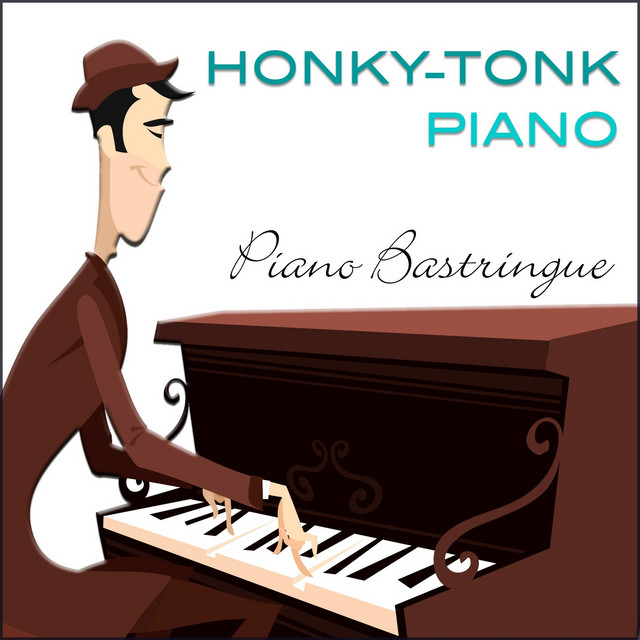
Honky-Tonk Piano
Honky-tonk piano is a lively, nostalgic offshoot of ragtime that spotlights a bright, percussive, slightly out‑of‑tune upright or “tack” piano. The hallmark sound comes from lightly detuning the unison strings and/or inserting thumbtacks into the hammers to produce a crisp attack and jangly shimmer—evoking saloon and barroom pianos. Performances are upbeat and whimsical, with two‑beat left‑hand oom‑pah or stride figures and a right hand full of syncopated ragtime runs, crushed grace notes, glissandi, and octave tremolos. Popularized in the 1950s as a nostalgic revival of pre‑jazz piano styles, honky‑tonk piano repackaged ragtime and novelty pieces for radio, records, and TV, becoming a shorthand sound for old‑timey fun and classic saloon scenes.
Discover
Listen
Honky Tonk
Honky tonk is a hard-edged, barroom strain of country music built for noisy dancehalls and roadside beer joints. It emphasizes a strong backbeat, simple I–IV–V harmony, and vivid storytelling about heartbreak, drinking, cheating, and working-class life. Sonically, it features twangy electric (often Telecaster) guitar, crying pedal steel or lap steel, fiddle, pounding honky-tonk piano with boogie-woogie figures, upright or electric bass, and a steady shuffle or two-step drum groove. Vocals are direct and emotive, often with a nasal twang and blue-note inflections, designed to cut through a lively room. Amplification and a danceable feel are central, reflecting its origins in Texas and Oklahoma bars after Prohibition, where musicians needed volume, rhythmic drive, and memorable hooks to reach listeners over clinking glasses and conversation.
Discover
Listen
Ragtime
Ragtime is an African American–rooted piano style that flourished from the 1890s to the 1910s, characterized by lively syncopation in the right hand against a steady, march-like “oom‑pah” accompaniment in the left hand. Typically written in 2/4 or 4/4 time and notated with straight (unswung) eighth notes, classic rags unfold in multiple 16‑bar strains, often in the form AABBACCDD. The music draws on cakewalk rhythms, marching-band forms, and popular song, and it became a sensation through sheet music, piano rolls, and parlor performance. Scott Joplin, known as the “King of Ragtime,” helped codify the genre’s refined, compositional approach, calling for moderate tempos and a clear, singing melody. Beyond solo piano, ragtime was arranged for small ensembles and orchestras, found a home in vaudeville and dance halls, and laid essential groundwork for early jazz, stride piano, and much of 20th‑century American popular music.
Discover
Listen
Boogie-Woogie
Boogie-woogie is a highly rhythmic, piano-centered branch of the blues distinguished by its driving “eight-to-the-bar” left-hand ostinato and improvised right-hand riffs. While it shares the 12‑bar blues framework and blue-note vocabulary, it places an unusually strong emphasis on groove, forward motion, and danceability. Typically performed at brisk tempos, the style features a rolling, repeated bass pattern in broken octaves (or a walking single-note line) that locks into a shuffle or 12/8 swing feel. Over this foundation, the right hand plays syncopated licks, triplet figures, crushed grace notes, tremolos, and call‑and‑response motifs, often quoting and varying short, catchy riffs. The result is a propulsive, celebratory sound designed for social dancing and energetic performance.
Discover
Listen
Albums
2008
1
/5
Honky-Tonk Piano
Popoff & His Bootleggers
Honky-Tonk Piano
Similar artists
1
/5
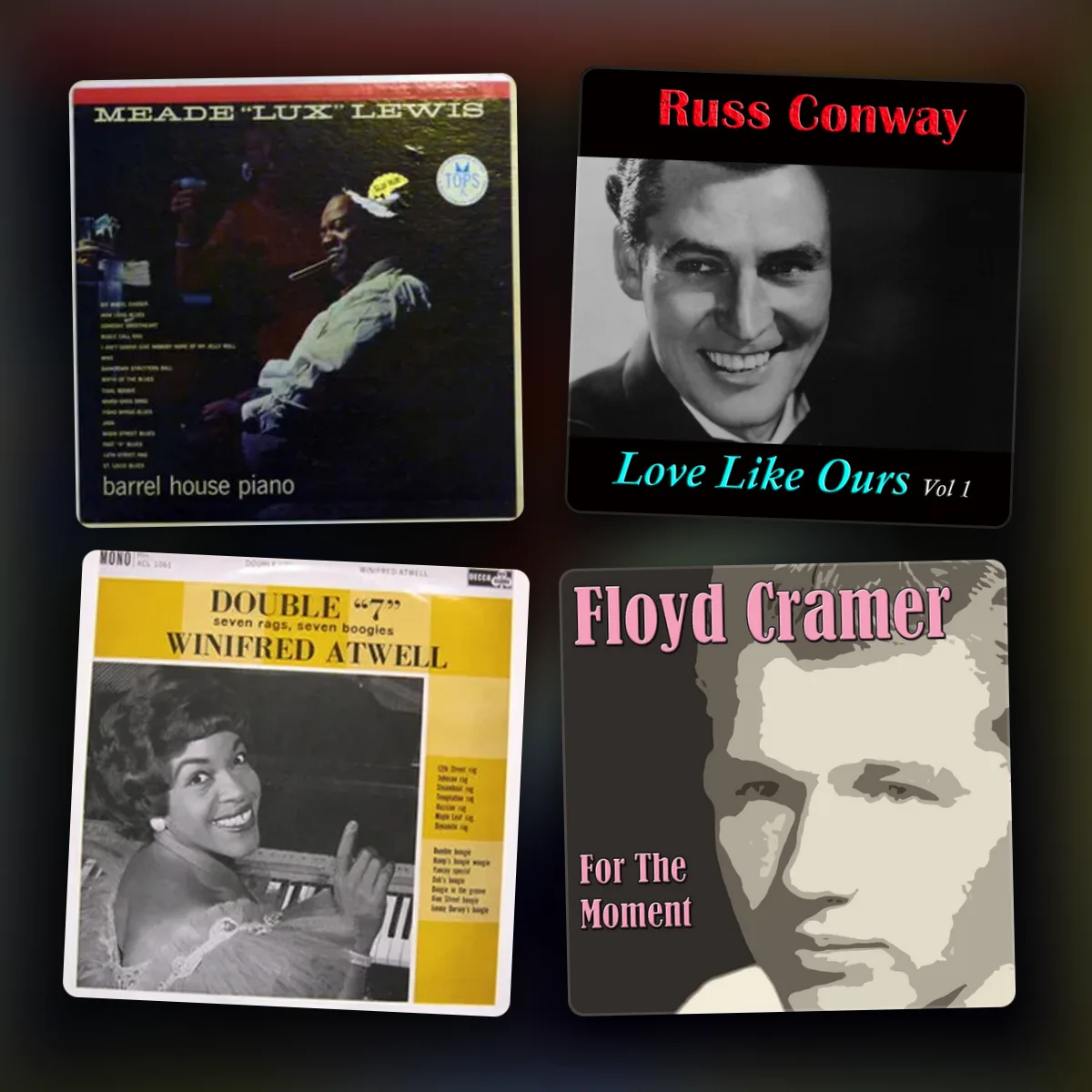
Meade "Lux" Lewis
Boogie-Woogie
Blues
Boogie
1
/5
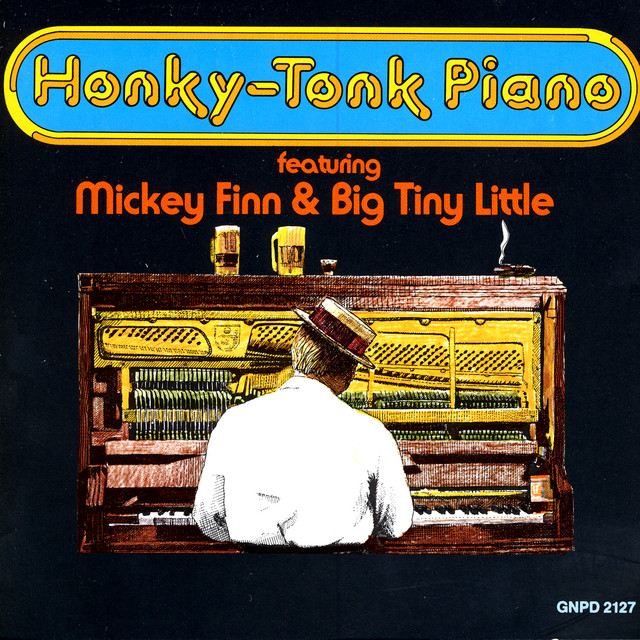
Big Tiny Little
Honky-Tonk Piano
Boogie-Woogie
Honky Tonk
1
/5
Various Artists
Afro-Funk
Alternative Rock
Ambient
3
/5
Luca Sestak
Boogie
Ragtime
Boogie-Woogie
2
/5
Pete Johnson
Boogie-Woogie
Boogie
Piano Blues
2
/5
Jean-Pierre Bertrand
Boogie
Boogie-Woogie
Ragtime
2
/5
Frank Muschalle
Blues
Boogie
Boogie-Woogie
1
/5
Albert Ammons
Boogie-Woogie
Blues
Boogie
1
/5
Henri Herbert
Boogie
Boogie-Woogie
Ragtime
1
/5
Lluís Coloma
Boogie
Boogie-Woogie
Ragtime
Download our mobile app
Get the Melodigging app and start digging for new genres on the go
Download on the App Store
Get it on Google Play
© 2026 Melodigging
Give feedback
Legal
Melodding was created as a tribute to
Every Noise at Once
, which inspired us to help curious minds keep digging into music's ever-evolving genres.