Genres
Artists
Albums
Make Music
Sign in
Sign in
Artists
Porro
Artists
Porro
Peregoyo y su Combo Vacaná
1970–2018
·
3 albums
Listen
2
/5
Genres
Souldies
Souldies is a modern revival of classic lowrider “oldies” soul—slow, tender ballads rooted in 1960s and early-’70s sweet soul and doo‑wop aesthetics, reimagined by a new generation of largely Chicano/Latinx artists in Southern California. Characterized by warm, analog-leaning production, mellow backbeats, honeyed vocal harmonies, and heart‑on‑sleeve lyricism, the style favors mid‑slow tempos, tape‑like saturation, spring/plate reverb, and minimalist yet expressive arrangements. English and Spanish (or Spanglish) lyrics often explore love, longing, devotion, and cruising/lowrider culture. Souldies sits at the intersection of classic soul, rhythm & blues, northern soul selections, and Latin soul, offering a contemporary, community‑centered sound that feels both timeless and newly personal.
Discover
Listen
Descarga
Descarga is the Cuban tradition of extended, largely improvised jam sessions built on Afro‑Cuban dance grooves and montuno vamps. Emerging in 1950s Havana and later flourishing in New York, it brought the spontaneity of jazz to Cuban popular forms such as son, mambo, and chachachá. Typically recorded by all‑star studio ensembles, descargas feature rotating solos over repeating guajeos (ostinatos), anchored by the clave and a driving percussion section. They are celebratory, high‑energy gatherings where arrangers set up simple harmonic frameworks and horn "moñas" (riffs), then let the players stretch out.
Discover
Listen
Tropical Music
Tropical music (música tropical) is an umbrella for dance-oriented Afro-Caribbean and coastal Latin American styles that were popularized across the Spanish-speaking world in the mid‑20th century. It blends African-derived polyrhythms and percussion with horn-led orchestras, call-and-response vocals, and catchy, romantic choruses. Typical repertoires mix cumbia, porro, merecumbé, son, mambo, merengue, pachanga, bolero, and related rhythms, presented by big bands or compact combos aimed squarely at social dancing. Beyond a single beat or tempo, the hallmark is a bright, syncopated groove (often organized around the clave), tumbao bass lines, montuno piano patterns, and sectional brass “mambos.” Over time, tropical music absorbed electric instruments and studio production while keeping its festive, coastal character.
Discover
Listen
Cumbia Colombiana
Cumbia colombiana is the foundational, coastal style of cumbia that emerged on Colombia’s Caribbean littoral. It fuses Indigenous gaita flute traditions, Afro-Colombian drumming, and Iberian melodic sensibilities into a hypnotic, swaying dance music. Traditional ensembles center on gaita hembra and gaita macho flutes, a three-drum battery (tambora, alegre, and llamador), and maracas; later urban and big-band formats added brass, accordion, electric bass, and piano. The groove sits in 2/4 or relaxed 4/4 with a characteristic tresillo and offbeat maraca chatter, while melodies often trace minor or Dorian contours. Its earthy, processional feel—once associated with candlelit courtship dances—became a national sound and a pan–Latin blueprint for countless cumbia variants.
Discover
Listen
Latin
Latin (as a genre label) is a broad umbrella used by the recording industry to categorize popular music rooted in Latin America, the Caribbean, and the Iberian world, often characterized by syncopated Afro-diasporic rhythms, dance-forward grooves, and lyrics primarily in Spanish or Portuguese. As a marketplace category that took shape in the mid-20th century United States, it gathers diverse traditions—Afro-Cuban, Brazilian, Mexican, and Caribbean styles—into a shared space. In practice, "Latin" spans everything from big-band mambo and bolero ballads to contemporary pop, rock, hip hop, and dance fusions produced by artists of Latin American heritage.
Discover
Listen
Porro
Porro is a festive dance music from Colombia’s Caribbean coast, especially the Sinú River and Savanna regions of Córdoba, Sucre, Bolívar, and Atlántico. Closely related to cumbia yet distinct, it blends Indigenous gaita traditions, Afro-Colombian drumming, and European brass-band practices. Traditionally performed by bandas pelayeras (rural brass bands) and by gaita ensembles, porro later blossomed in urban dance orchestras with clarinets, saxophones, trumpets, trombones, and a driving percussion section. It is typically in duple meter (2/4, sometimes felt in 4/4), with buoyant, syncopated patterns, a strong backbeat feel, and catchy call-and-response melodies. Two folkloric variants are often cited: porro palitiao (with a rimshot-style stick technique on the tambora) and porro tapao (a "covered" stroke approach), each shaping the groove in a distinctive way. In the mid-20th century, arrangers such as Lucho Bermúdez and Pacho Galán transformed porro into a cosmopolitan big-band sound that became a symbol of Colombian tropical dance culture.
Discover
Listen
Cumbia
Cumbia is a syncretic dance-music tradition from Colombia’s Caribbean coast that blends African rhythmic heritage, Indigenous (especially gaita flute) melodic practice, and Spanish colonial instrumentation and forms. Traditionally performed in a moderate 2/4 (often felt in 4/4 today), it features interlocking hand-drum parts (tambora, alegre, llamador), guacharaca or maracas for steady texture, and long cane flutes (gaita hembra and gaita macho) carrying call-and-response melodies. As it spread in the 20th century, orchestras and dance bands added accordion, horns, piano, bass, and later electric guitar and synthesizers, creating urban and pan–Latin American variants. Harmonically simple and rhythm-forward, cumbia places groove, ostinati, and vocal refrains at the center, making it both ceremonial in origin and enduringly popular on social dance floors across the Americas.
Discover
Listen
Currulao
Currulao is an Afro-Pacific music and dance tradition from Colombia’s Pacific coast, centered around the marimba de chonta, hand drums (cununos), bass drums (bombos), and the guasá shaker. It is typically in a lilting 6/8 metre with interlocking polyrhythms, call‑and‑response vocals, and cyclical marimba ostinatos that create a trance-like forward motion. The genre is performed at community festivities, patron saint celebrations, and social dances, and it also has close ties to ritual song traditions in the region. While strongly rooted in Afro‑Colombian culture, currulao is also heard in northern Ecuador, and in recent decades it has informed contemporary fusions and urban styles from Cali and the wider Pacific region.
Discover
Listen
Show all 8 genres
Albums
2018
1
/5
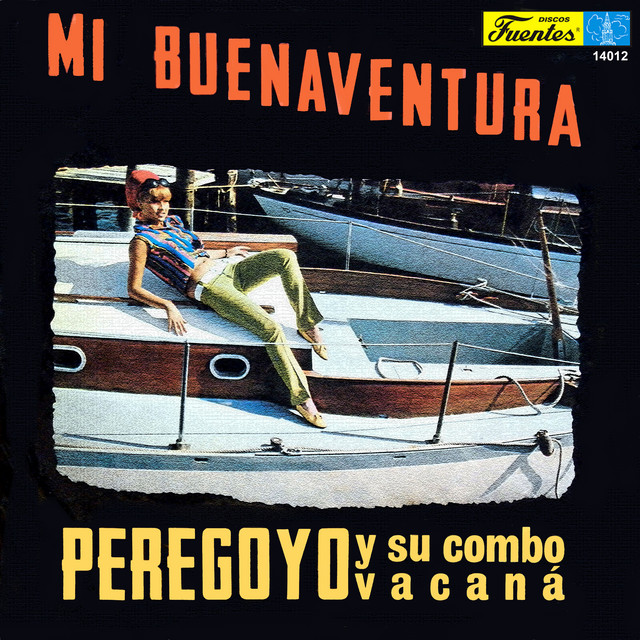
Mi Buenaventura
Peregoyo y Su Combo Vacaná
Currulao
Cumbia Colombiana
Cumbia
2015
1
/5
Mi Buenaventura
Peregoyo y su Combo Vacaná
Porro
1970
2
/5
Sacale Brillo Teresa
Peregoyo y su Combo Vacaná
Porro
Similar artists
2
/5
Pedro Laza Y Sus Pelayeros
Porro
Cumbia
Cumbia Colombiana
3
/5
Los Corraleros De Majagual
Vallenato
Cumbia
Porro
1
/5
Various Artists
Afro-Funk
Alternative Rock
Ambient
3
/5
Los Hispanos
Tropical Music
Cumbia
Cumbia Colombiana
4
/5
Totó La Momposina
Bullerengue
Cumbia
Cumbia Colombiana
3
/5
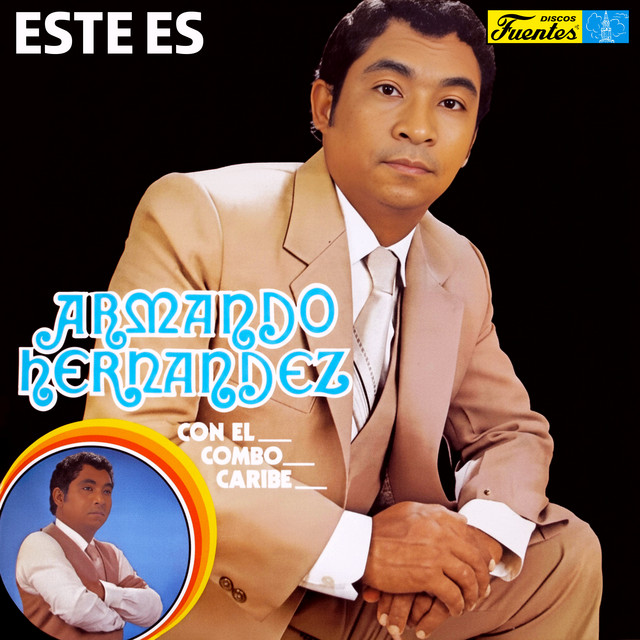
Armando Hernandez
Porro
Chicha
Cumbia
3
/5
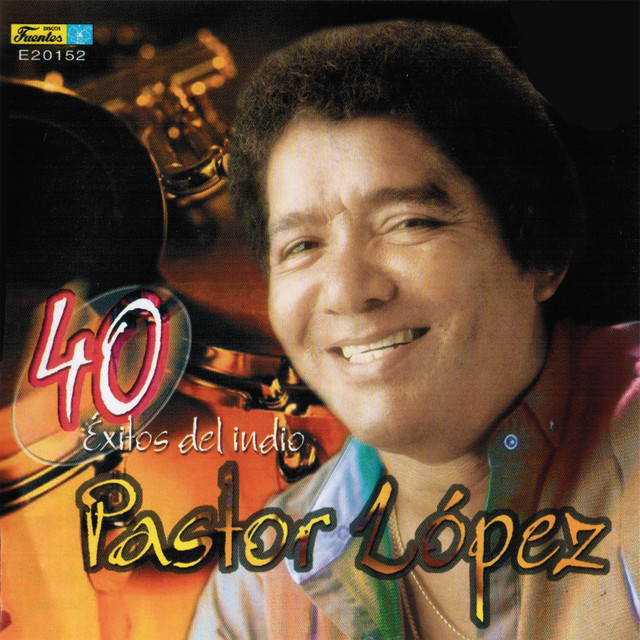
Pastor Lopez Y Su Combo
Porro
Cumbia
Merengue
2
/5
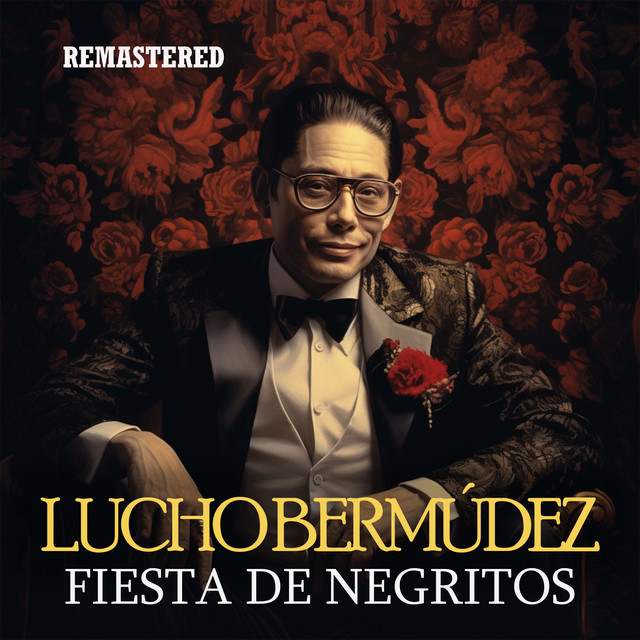
Lucho Bermúdez
Porro
Cumbia
Tropical Music
2
/5
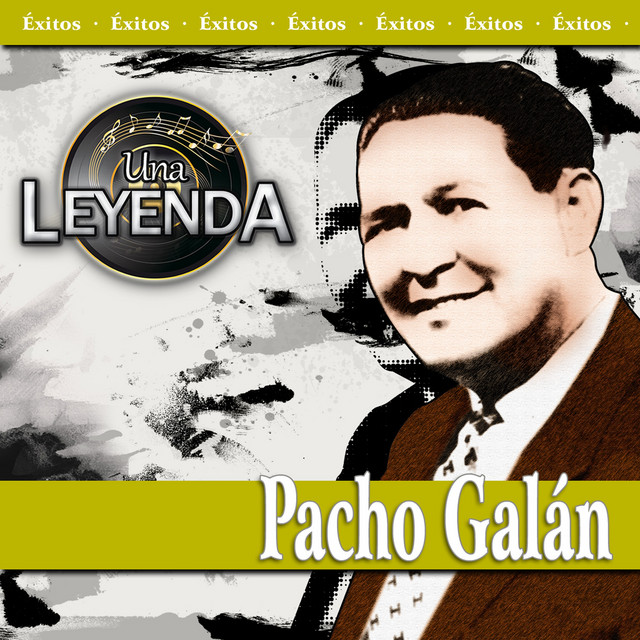
Pacho Galan
Porro
Cumbia
Merecumbé
2
/5
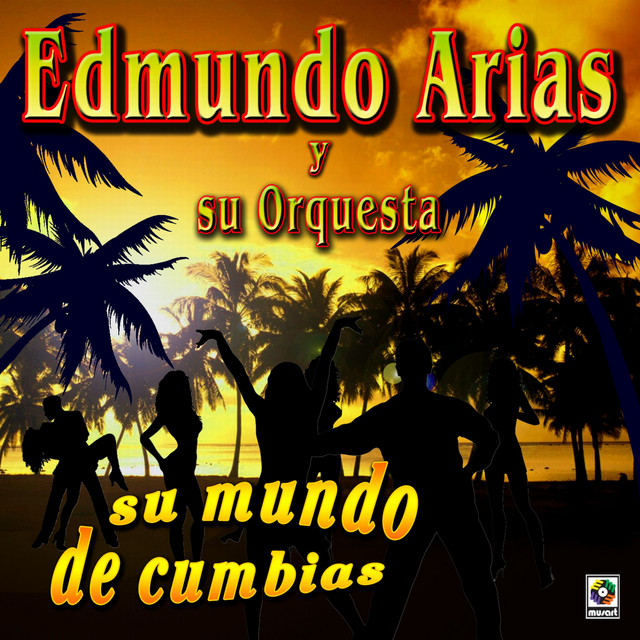
Edmundo Arias Y Su Orquesta
Porro
Cumbia
Tropical Music
Download our mobile app
Get the Melodigging app and start digging for new genres on the go
Download on the App Store
Get it on Google Play
© 2026 Melodigging
Give feedback
Legal
Melodding was created as a tribute to
Every Noise at Once
, which inspired us to help curious minds keep digging into music's ever-evolving genres.