Genres
Artists
Albums
Make Music
Sign in
Sign in
Artists
Texas Blues
Artists
Texas Blues
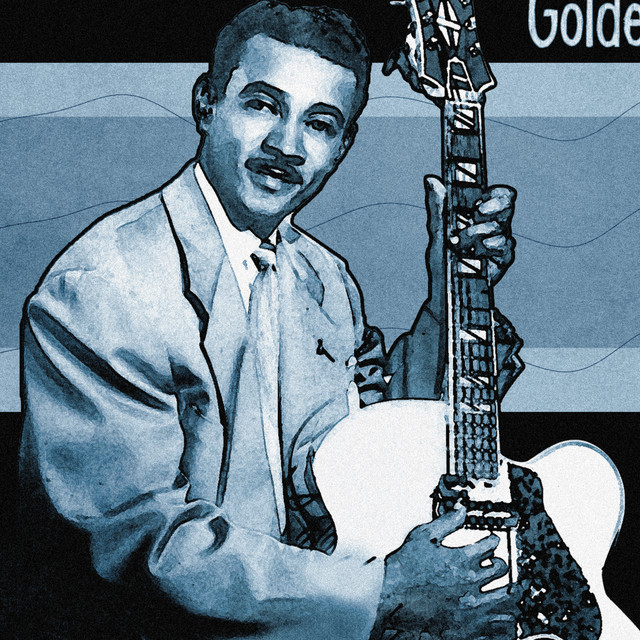
Pee Wee Crayton
1987
·
1 album
Listen
2
/5
Genres
Souldies
Souldies is a modern revival of classic lowrider “oldies” soul—slow, tender ballads rooted in 1960s and early-’70s sweet soul and doo‑wop aesthetics, reimagined by a new generation of largely Chicano/Latinx artists in Southern California. Characterized by warm, analog-leaning production, mellow backbeats, honeyed vocal harmonies, and heart‑on‑sleeve lyricism, the style favors mid‑slow tempos, tape‑like saturation, spring/plate reverb, and minimalist yet expressive arrangements. English and Spanish (or Spanglish) lyrics often explore love, longing, devotion, and cruising/lowrider culture. Souldies sits at the intersection of classic soul, rhythm & blues, northern soul selections, and Latin soul, offering a contemporary, community‑centered sound that feels both timeless and newly personal.
Discover
Listen
Electric Texas Blues
Electric Texas blues is the amplified, urbanized form of Texas blues that took shape in the mid-20th century. It centers the electric guitar as a lead voice and blends Texas blues phrasing with swing, jump-blues, and jazz harmonies. Hallmarks include a supple shuffle or 12/8 triplet feel, crisp single‑note lead lines, expressive string bends and wide vibrato, and frequent use of dominant 9th/13th chord colors. Compared with Chicago blues, it is often looser and more swinging, with room for jazzy turnarounds and horn-like guitar phrasing. Lyrics typically address love, nightlife, bragging, and hard-won resilience. From T-Bone Walker’s cool sophistication to the fiery attack of Freddie King and the stinging, reverb‑kissed tone of Albert Collins, the style has remained a cornerstone of modern electric blues and a direct conduit to blues-rock.
Discover
Listen
R&b
R&B (Rhythm and Blues) is a vocal- and groove-centered popular music tradition that blends blues tonality, jazz harmony, and gospel-inflected singing with a steady backbeat. It emphasizes expressive lead vocals, call-and-response, lush harmonies, and danceable rhythms. From its 1940s roots in African American communities to its later evolutions, R&B has continually absorbed and reshaped surrounding sounds—from jump blues and swing in the early days to soul, funk, hip hop, and electronic production in the contemporary era. Today, R&B ranges from intimate, slow-burning ballads to club-ready tracks, all tied together by a focus on feel, melody, and vocal performance.
Discover
Listen
Texas Blues
Texas blues is a regional style of American blues that began with acoustic, itinerant singer–guitarists in the 1920s and evolved into a distinctive electric, guitar-forward sound by the 1940s and 1950s. It blends the storytelling and open-road feel of country blues with jazz-influenced harmony, swing rhythms, and boogie-woogie drive. Melodic single-note lines, fluid bends, and crisp, rhythmic shuffles are hallmarks, whether played solo on acoustic guitar (early era) or through cranked tube amps with a Stratocaster bite (later era). Across decades—from Blind Lemon Jefferson to T-Bone Walker, Lightnin’ Hopkins, and Stevie Ray Vaughan—the style has stayed rooted in I–IV–V blues forms while embracing a strong groove, spacious phrasing, major–minor pentatonic mixtures, and a confident, expressive guitar voice.
Discover
Listen
Classic Blues
Classic blues (often called "classic female blues") is the early, urban, theater-bred form of the blues that flourished primarily in the 1920s. It is characterized by powerful lead vocalists—frequently women—fronting small jazz ensembles or a piano accompanist, with arrangements that translated the blues idiom to vaudeville stages and recording studios. Musically it typically uses the 12‑bar blues form, AAB lyric stanzas, swung or shuffle rhythms in 4/4, and prominent use of blue notes (flattened 3rd, 5th, and 7th). The style sits at the crossroads of Southern blues traditions, ragtime and early jazz, and the songcraft and professionalism of vaudeville and Tin Pan Alley. Classic blues differs from country/delta blues by its more formal arrangements, band instrumentation, and theatrical delivery. It launched the commercial “race records” era with Mamie Smith’s 1920 hit "Crazy Blues," and set the template for later jazz and R&B vocal performance.
Discover
Listen
Blues
Blues is an African American musical tradition defined by expressive "blue notes," call-and-response phrasing, and a characteristic use of dominant-seventh harmony in cyclical song forms (most famously the 12‑bar blues). It is as much a feeling as a form, conveying sorrow, resilience, humor, and hard-won joy. Musically, blues commonly employs the I–IV–V progression, swung or shuffled rhythms, and the AAB lyric stanza. Melodies lean on the minor/major third ambiguity and the flattened fifth and seventh degrees. Core instruments include voice, guitar (acoustic or electric), harmonica, piano, bass, and drums, with slide guitar, bends, and vocal melismas as signature techniques. Over time the blues has diversified into regional and stylistic currents—Delta and Piedmont country blues, urban Chicago and Texas blues, West Coast jump and boogie-woogie—while profoundly shaping jazz, rhythm & blues, rock and roll, soul, funk, and much of modern popular music.
Discover
Listen
Albums
1987
2
/5
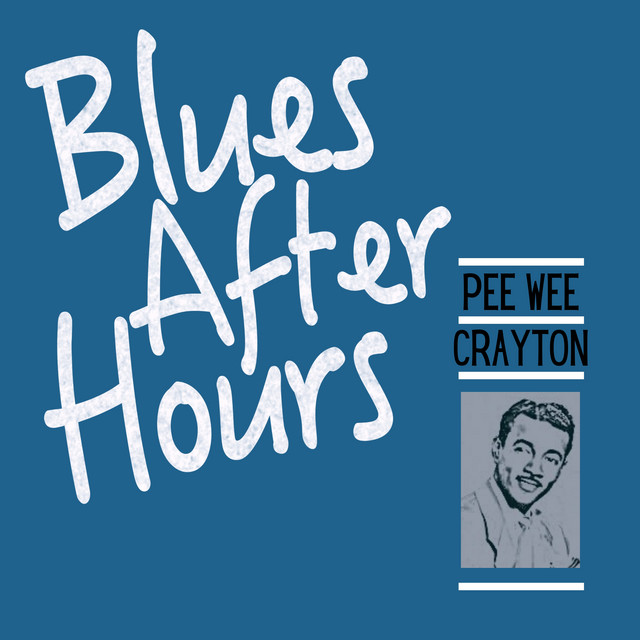
Blues After Hours
Pee Wee Crayton
Texas Blues
Similar artists
4
/5
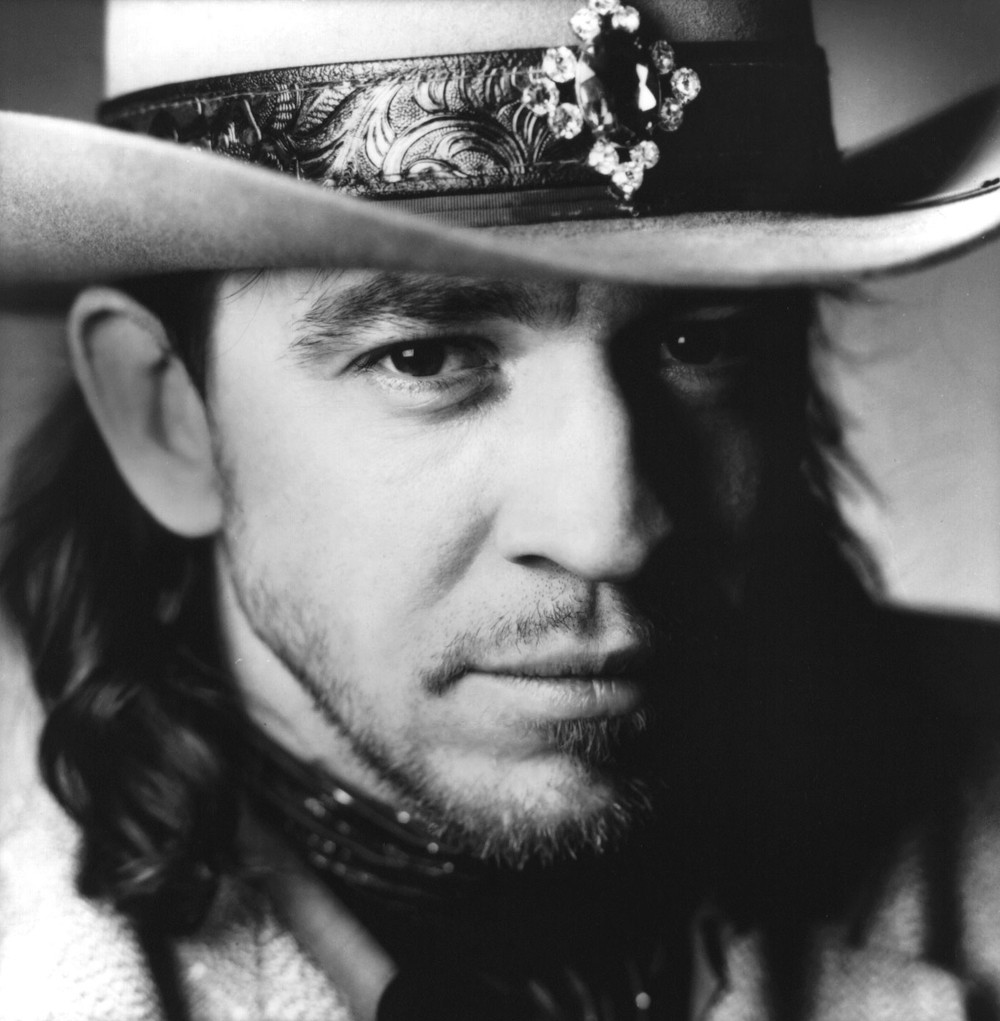
Stevie Ray Vaughan
Blues Rock
Texas Blues
Blues
3
/5
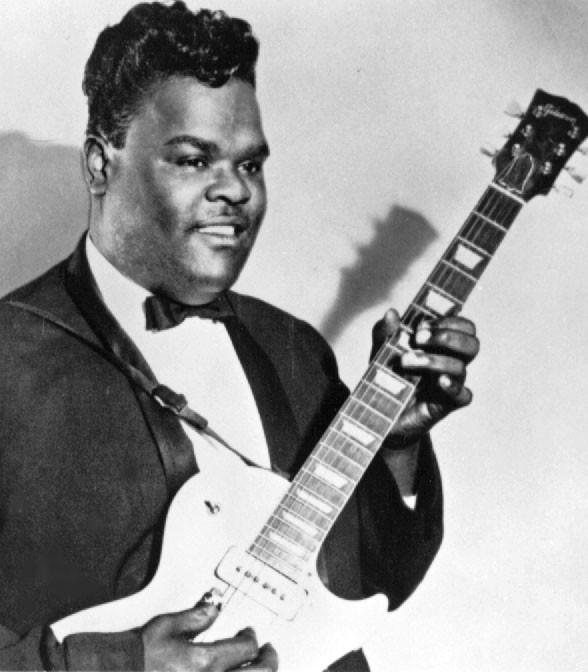
Freddie King
Blues
Texas Blues
Electric Texas Blues
3
/5
Albert Collins
Blues
Electric Texas Blues
Texas Blues
3
/5
T-Bone Walker
Chicago Blues
Texas Blues
Blues
3
/5
The Fabulous Thunderbirds
Blues
Blues Rock
Electric Texas Blues
2
/5
Johnny Copeland
Blues
Texas Blues
Blues Rock
3
/5
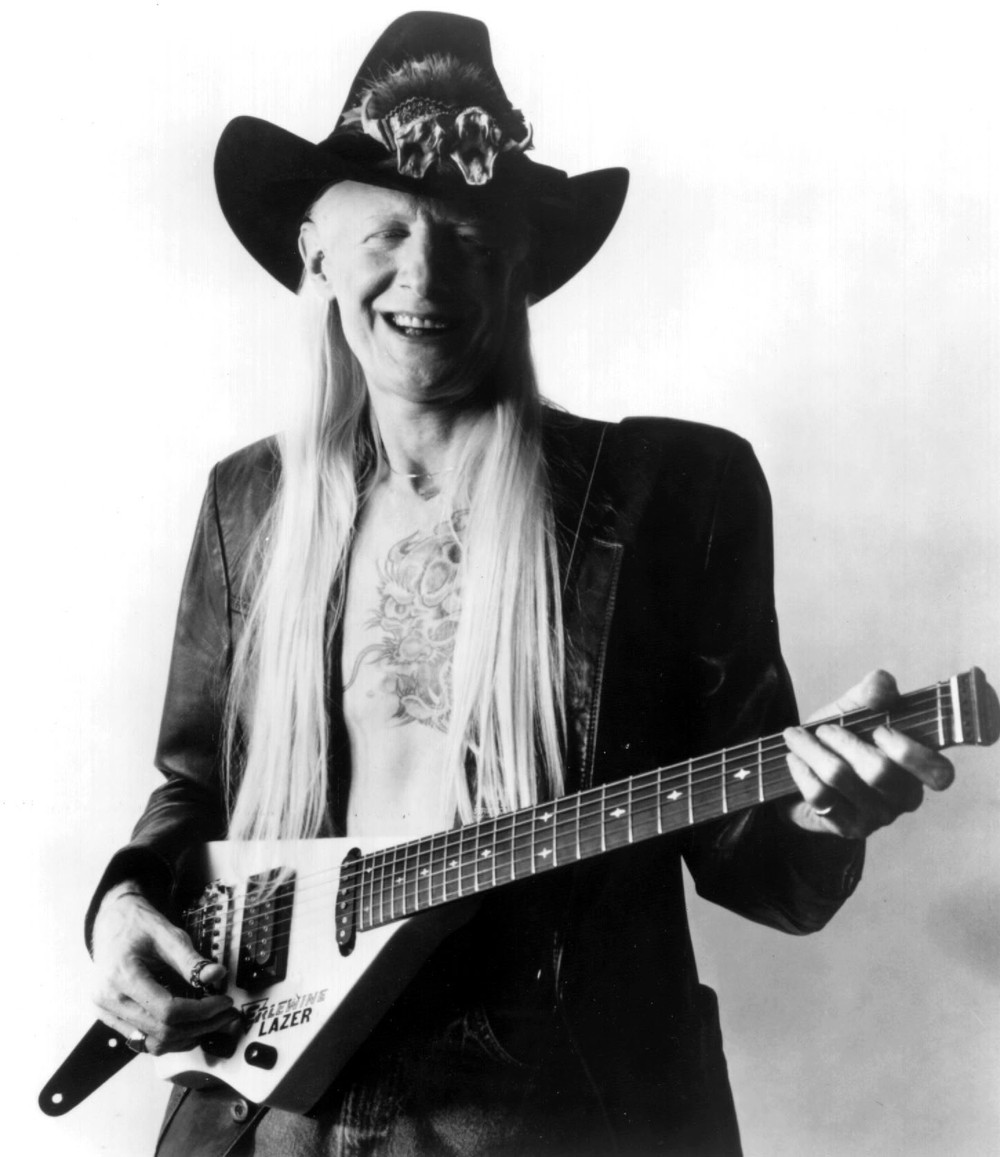
Johnny Winter
Blues
Blues Rock
Electric Texas Blues
2
/5
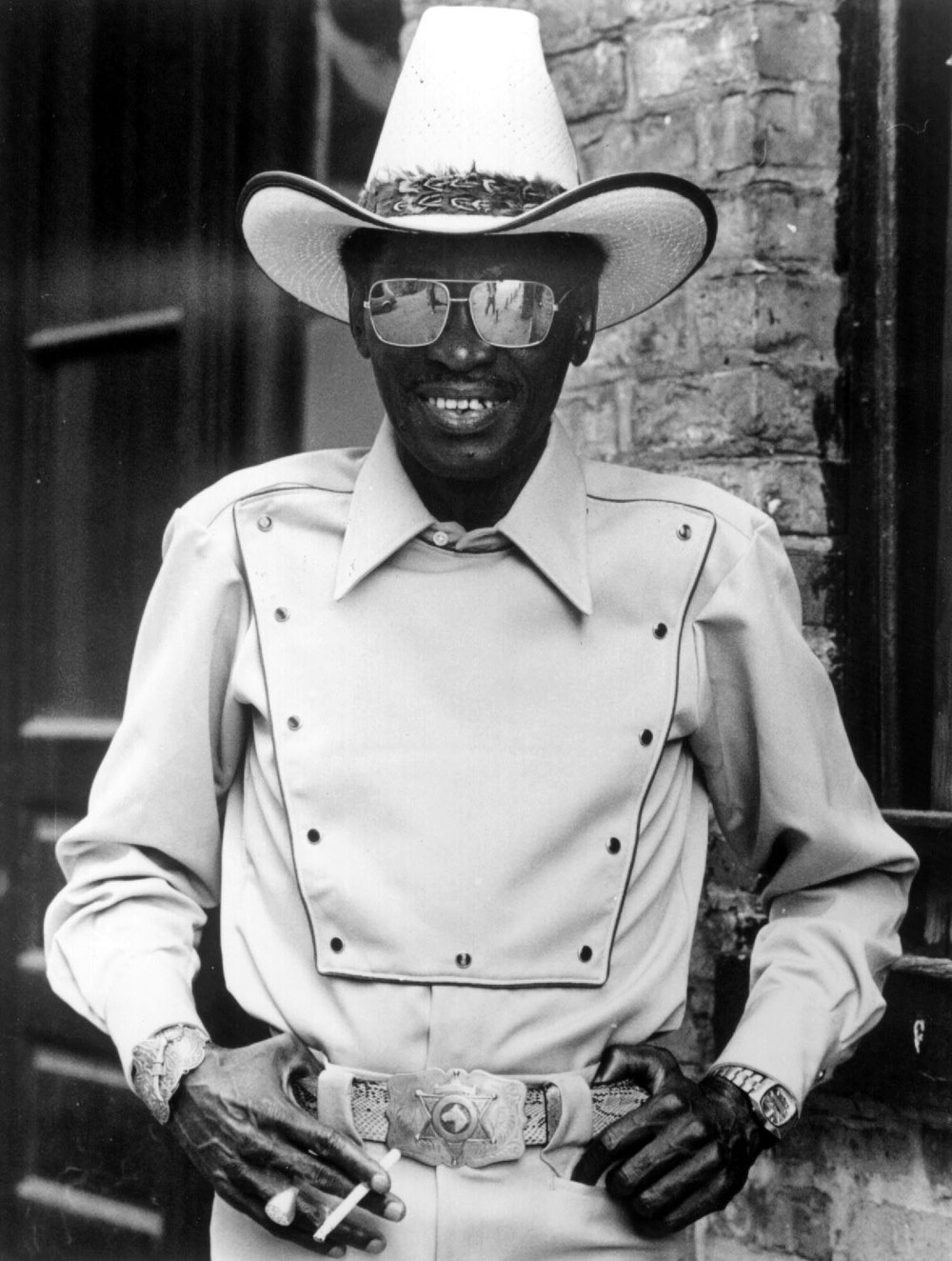
Clarence "Gatemouth" Brown
Blues
Blues Rock
Classic Blues
1
/5
Various Artists
Afro-Funk
Alternative Rock
Ambient
3
/5
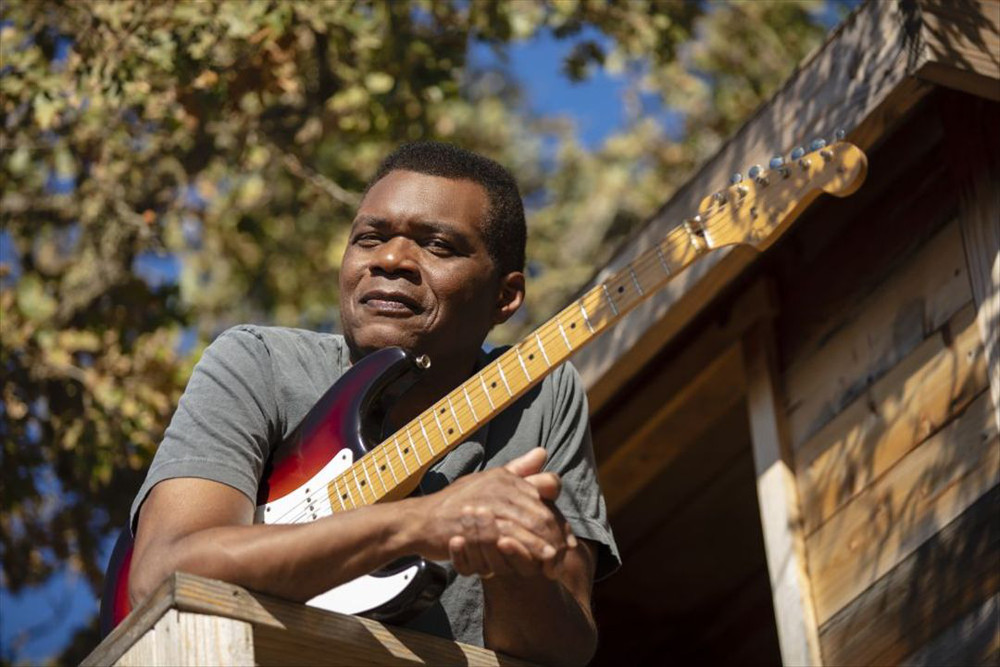
Robert Cray
Classic Blues
Blues
Blues Rock
Download our mobile app
Get the Melodigging app and start digging for new genres on the go
Download on the App Store
Get it on Google Play
© 2026 Melodigging
Give feedback
Legal
Melodding was created as a tribute to
Every Noise at Once
, which inspired us to help curious minds keep digging into music's ever-evolving genres.