Genres
Artists
Albums
Make Music
Sign in
Sign in
Artists
Latin Jazz
Artists
Latin Jazz
Papo Lucca
1983
·
1 album
Listen
3
/5
Genres
Salsa
Salsa is a pan–Latin dance music forged primarily in New York City by Puerto Rican, Cuban, and other Caribbean diasporas. It synthesizes Afro‑Cuban rhythmic blueprints, Puerto Rican bomba and plena, jazz harmony, big‑band horn writing, and Nuyorican street culture into a tightly arranged yet improvisation‑friendly style. The music lives on the clave (either 2‑3 or 3‑2), with layered percussion (congas, bongó, timbales, cowbell, güiro, maracas), a tumbao bass that anticipates the beat, and piano montuno guajeos that interlock with the rhythm section. Call‑and‑response vocals (coro/pregón), punchy horn mambos and moñas, and instrumental solos energize the montuno section. Tempos range from medium to fast in 4/4, optimized for social dancing (commonly “on1” or “on2”). Across decades, salsa has branched into harder, percussion‑forward “salsa dura,” smoother “salsa romántica,” and regional scenes in Puerto Rico, Venezuela, and Colombia, while continuing to influence—and be influenced by—neighboring tropical and jazz idioms.
Discover
Listen
Salsa International
Salsa International refers to the globalized evolution of salsa music as it expanded beyond its Nuyorican and Caribbean roots to become a worldwide phenomenon. This broad categorization encompasses the polished, commercially viable sound that dominated airwaves from the late 1970s through the 1990s, often overlapping with 'Salsa Romántica' and 'Salsa Colombiana'. It is characterized by high production values, smoother arrangements designed for mass appeal, and a lyrical focus that often shifts from the gritty social commentary of early 'Salsa Dura' to themes of love and romance. The genre serves as a cultural bridge, uniting diverse scenes from Cali (Colombia) and Caracas (Venezuela) to unexpected hubs in Japan and West Africa, proving that the 'clave' rhythm transcends language barriers.
Discover
Listen
Salsa Puertorriquena
Salsa Puertorriqueña (Puerto Rican Salsa) is a vibrant and rhythmically complex style of salsa that developed in Puerto Rico and among the Puerto Rican diaspora in New York. While sharing the fundamental Afro-Cuban roots of son, mambo, and cha-cha-chá with other salsa styles, it distinguishes itself through the integration of indigenous Puerto Rican rhythms like Bomba and Plena. Musically, it is characterized by a strong emphasis on the 'sonero' (lead singer) who improvises lyrics (soneos) over a call-and-response chorus (coro). The instrumentation typically features a powerful horn section, often favoring trombones or a combination of trumpets and trombones, alongside a rich percussion section of congas, bongos, and timbales. In the 1980s, the Puerto Rican style became the epicenter of 'Salsa Romántica,' a smoother, more commercially viable subgenre focused on love and heartbreak, which contrasted with the grittier 'Salsa Dura' of the 1970s.
Discover
Listen
Latin Jazz
Latin jazz is a fusion of jazz harmony and improvisation with Afro–Latin American rhythms, song forms, and percussion. It combines the swing, bebop, and big-band traditions with clave-based grooves such as son, rumba, danzón, and mambo, and later integrates Brazilian feels like samba and bossa nova. Typical features include the use of the clave (2–3 or 3–2), piano montunos (guajeos), bass tumbao patterns, timbales cáscara, conga marcha, and call-and-response horn "mambo" figures. While the rhythm section locks into cyclical patterns, soloists improvise using the vocabulary of jazz, creating music that is both danceable and harmonically rich.
Discover
Listen
Son Cubano
Son cubano is a foundational Cuban genre that fuses Spanish-derived song forms and harmony with Afro-Cuban rhythms and percussion. Born in eastern Cuba (Oriente) and crystallized in Havana in the 1910s–1920s, it became the backbone of much of 20th‑century Latin popular music. Typical ensembles began as sextetos (tres, guitar, bongó, maracas, claves, and bass or marímbula) and later evolved into septetos with trumpet. Conjunto formats in the 1940s added piano, congas, and multiple horns. The music rides a son clave (in 3‑2 or 2‑3 orientation), features interlocking tres guajeos, a walking/tumbao bass that anticipates the downbeat, and call‑and‑response vocals in the montuno section. Harmonically it is rooted in I–IV–V with bluesy dominant sevenths and occasional secondary dominants. Lyrically it balances romance, everyday life, and streetwise wit, always aimed at dancing and social gathering.
Discover
Listen
Albums
1983
Quintana Y Papo: Mucho Talento
Papo Lucca, Ismael Quintana
Salsa Puertorriquena
Salsa International
Similar artists
3
/5
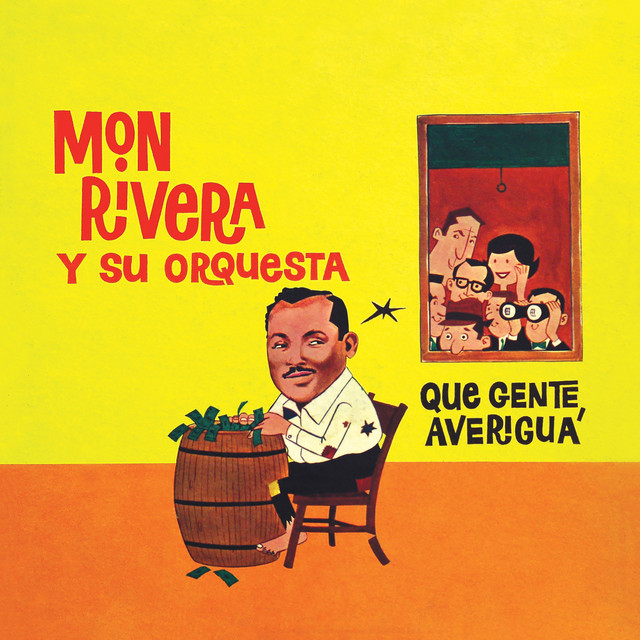
Mon Rivera
Plena
Pachanga
Latin Jazz
2
/5
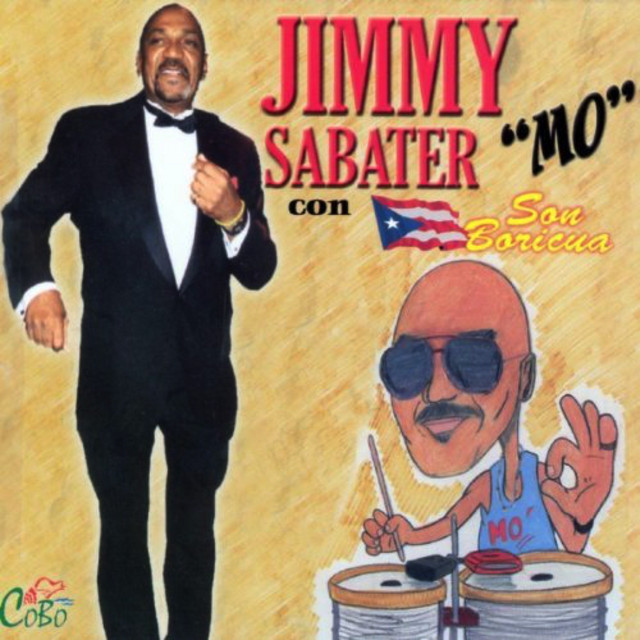
Jimmy Sabater
Boogaloo
Bolero
Chachachá
2
/5
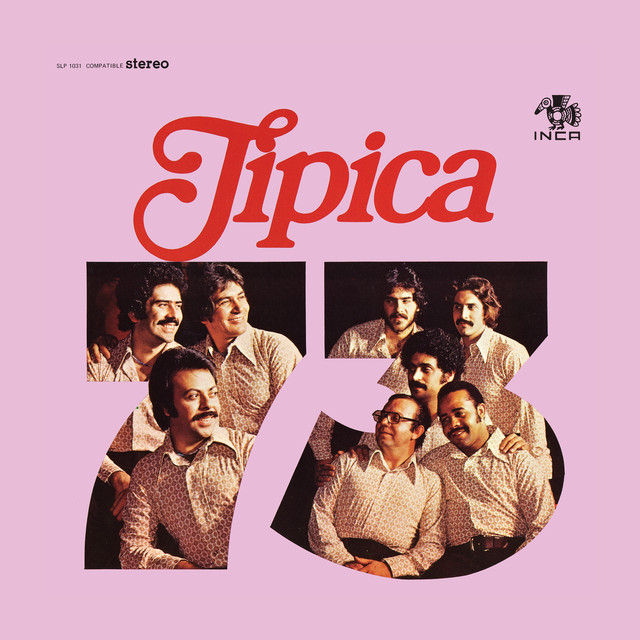
Tipica 73
Chachachá
Latin Jazz
Mambo
2
/5
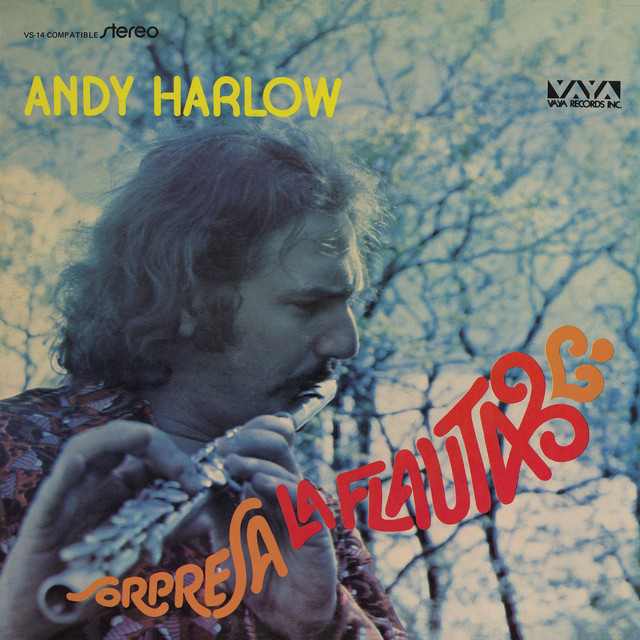
Andy Harlow
Latin Jazz
Salsa
Son Cubano
2
/5
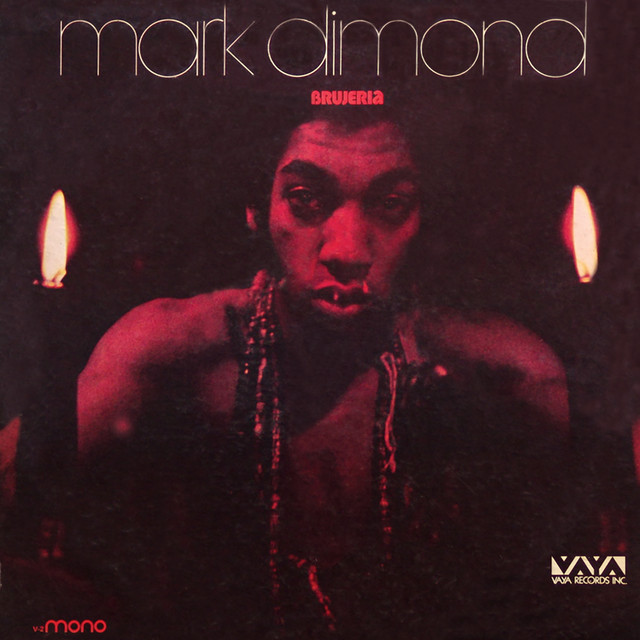
Markolino Dimond
Salsa
Chachachá
Latin Jazz
2
/5
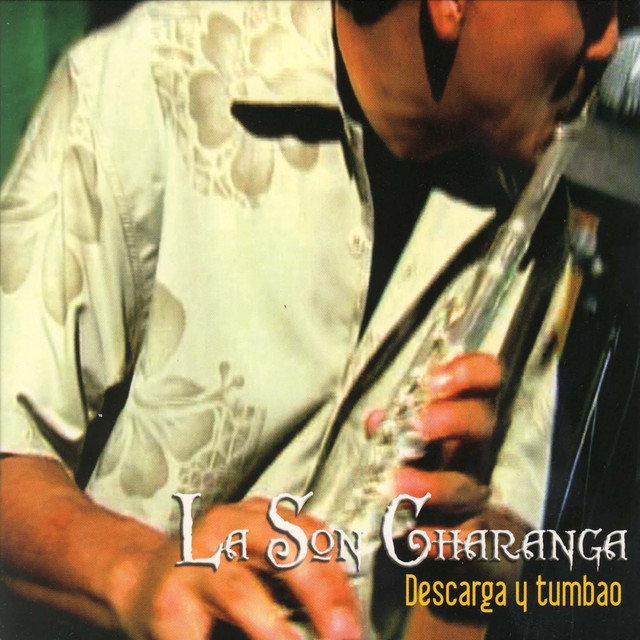
La Son Charanga
Charanga
Latin Jazz
Mambo
3
/5
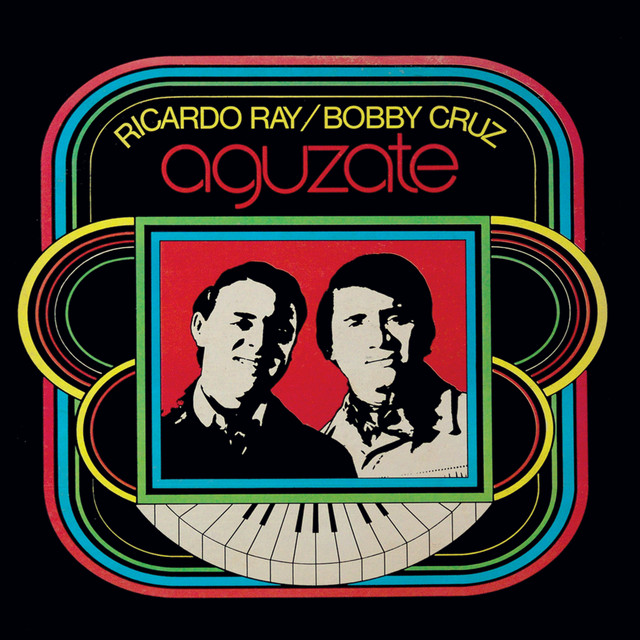
Bobby Cruz
Boogaloo
Salsa
Salsa Cristiana
2
/5
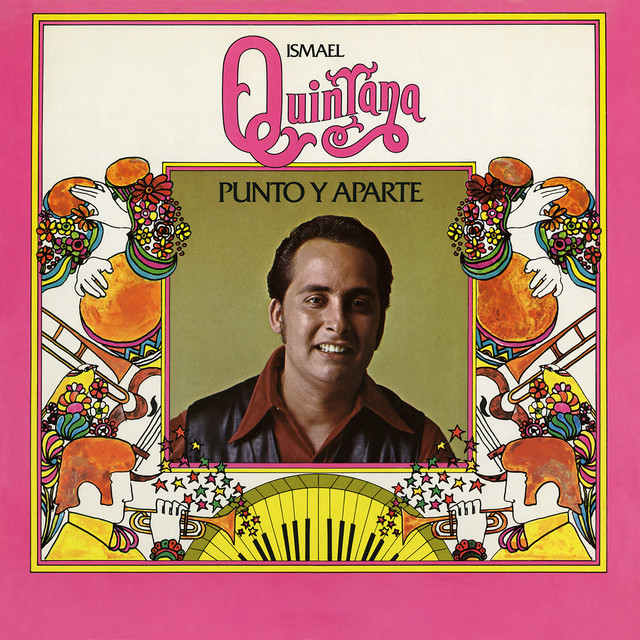
Ismael Quintana
Bolero
Latin Jazz
Salsa
2
/5
Richie Ray
Latin Jazz
Salsa
Salsa Cristiana
4
/5
Celia Cruz
Latin Dance
Son Cubano
Mambo
Download our mobile app
Get the Melodigging app and start digging for new genres on the go
Download on the App Store
Get it on Google Play
© 2026 Melodigging
Give feedback
Legal
Melodding was created as a tribute to
Every Noise at Once
, which inspired us to help curious minds keep digging into music's ever-evolving genres.