Genres
Artists
Albums
Make Music
Sign in
Sign in
Artists
Bolero
Artists
Bolero
Pablo Cortez
Listen
2
/5
Genres
Salsa Choke
Salsa choke (often written salsa choque) is a high-energy Colombian urban dance music that fuses the rhythmic feel and call‑and‑response hooks of salsa with the dembow-driven pulse of reggaeton and elements of hip hop and dancehall. Built for parties, street dance “choques” (dance-offs), and stadium chants, it typically features looped salsa piano montunos, bright brass stabs, and crowd-style choruses over a big, syncopated reggaeton kick–snare pattern. Compared with classic salsa, its harmony is simpler and more repetitive, while the percussion and bass are heavier and electronic, giving it a distinctly modern club edge.
Discover
Listen
Chicha
Chicha is a Peruvian branch of cumbia that crystallized in urban migrant neighborhoods during the late 1960s and 1970s. It fuses Colombian cumbia rhythms with Andean huayno melodies, played on electric guitars that carry surf- and psychedelic-rock inflections. The style is defined by bright, reverb-soaked lead guitar lines in pentatonic (often Andean) motifs, Farfisa- or Hammond-type organs doubling riffs, and a steady cumbia groove driven by drum kit, güiro, and congas. Lyrics frequently reflect internal migration, working-class life, love, longing, and the bittersweet experience of cultural hybridity in Lima and other Peruvian cities. Chicha is sometimes called cumbia peruana (though that umbrella also includes Amazonian cumbia). Its imagery and street-poster aesthetics—neon colors and bold typography—became synonymous with the sound’s vibrant, grassroots identity.
Discover
Listen
Bolero
Bolero is both a Spanish dance-music form from the late 18th century and, later, a Cuban song style from the late 19th century. The Spanish bolero emerged as a moderately slow solo or partner dance in 3/4 time, shaped by Andalusian song-dance traditions. It typically features guitar accompaniment and castanets, and its sung texts often follow the seguidilla stanza pattern. In Cuba, bolero evolved into a romantic ballad—most often in 2/4 (later also felt in 4/4)—performed by singers, trios, and salon ensembles. Cuban bolero emphasizes intimate, lyrical melodies, guitar-led accompaniment (often with requinto), and gentle Afro-Caribbean rhythmic undercurrents (habanera feel, soft bongo, claves), becoming one of Latin America’s quintessential love-song forms.
Discover
Listen
Similar artists
Hide discovered
3
/5
Segundo Rosero
Bolero
Chicha
Electrocumbia
3
/5
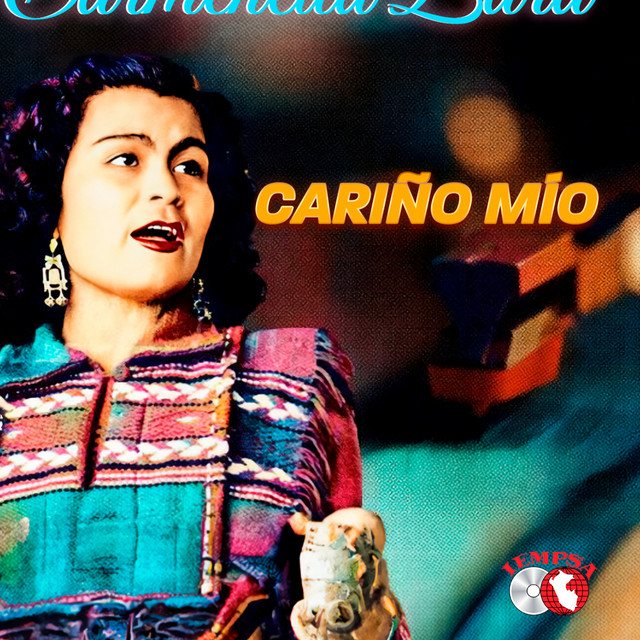
Carmencita Lara
Música Criolla
Vals Criollo
Bolero
3
/5
Grupo Marabu
Bomba
Chicha
Cumbia
3
/5
Los Kipus
Vals Criollo
Bolero
Chicha
3
/5
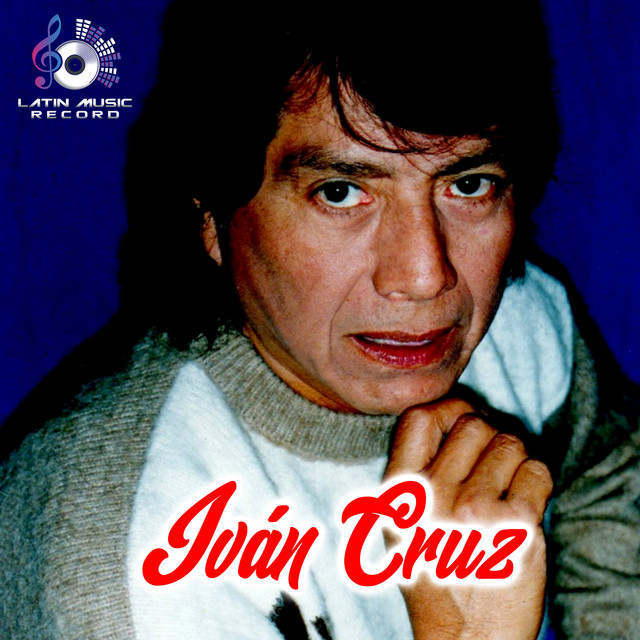
Iván Cruz
Bolero
Chicha
Huayno
3
/5
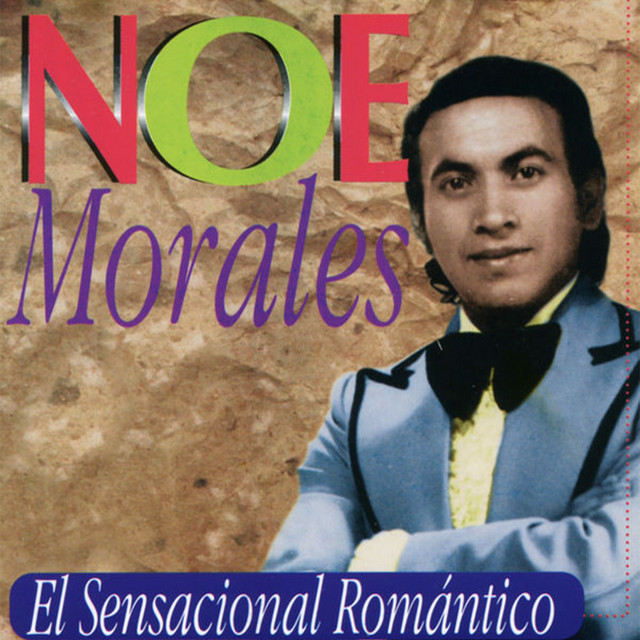
Noe Morales
Bolero
Chicha
Música Popular Colombiana
3
/5
Paulina Tamayo
Bolero
Chicha
Folclor Andino
3
/5
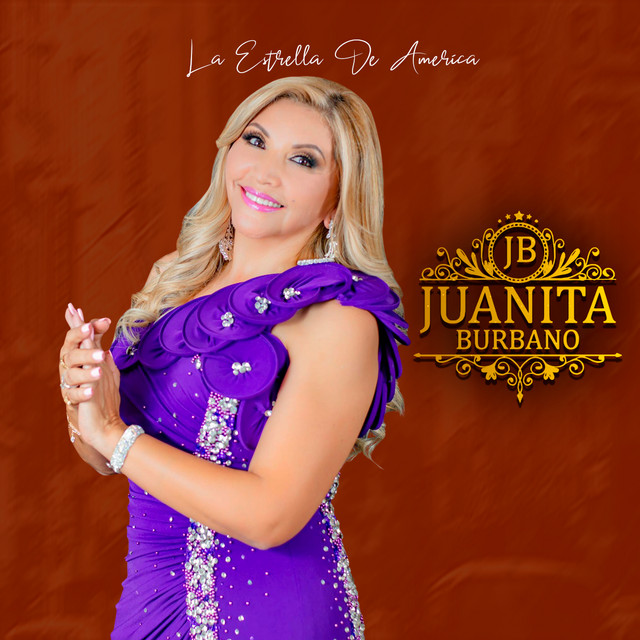
Juanita Burbano
Bolero
Chicha
Electrocumbia
2
/5
Claudio Vallejo
Bolero
Chicha
Folclor Andino
2
/5
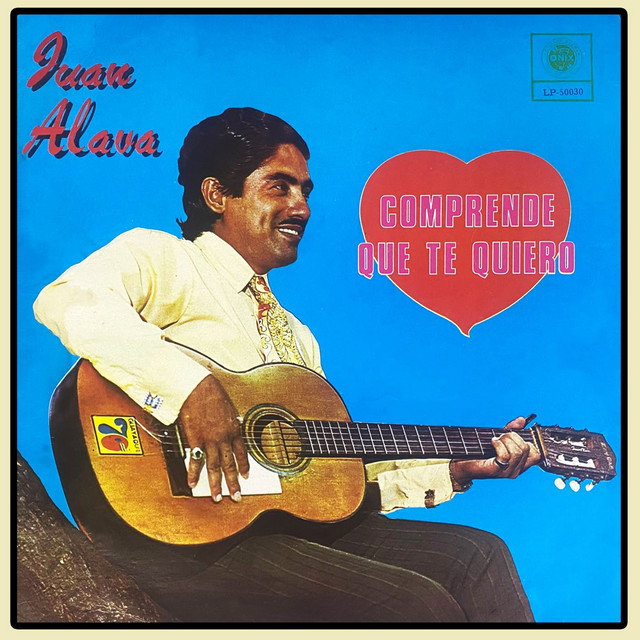
Juan Alava
Afro-Cuban Jazz
Bolero
Chicha
Download our mobile app
Get the Melodigging app and start digging for new genres on the go
Download on the App Store
Get it on Google Play
© 2026 Melodigging
Give feedback
About & FAQ
Legal
Melodding was created as a tribute to
Every Noise at Once
, which inspired us to help curious minds keep digging into music's ever-evolving genres.