Genres
Artists
Albums
Make Music
Sign in
Sign in
Artists
Merengue
Artists
Merengue
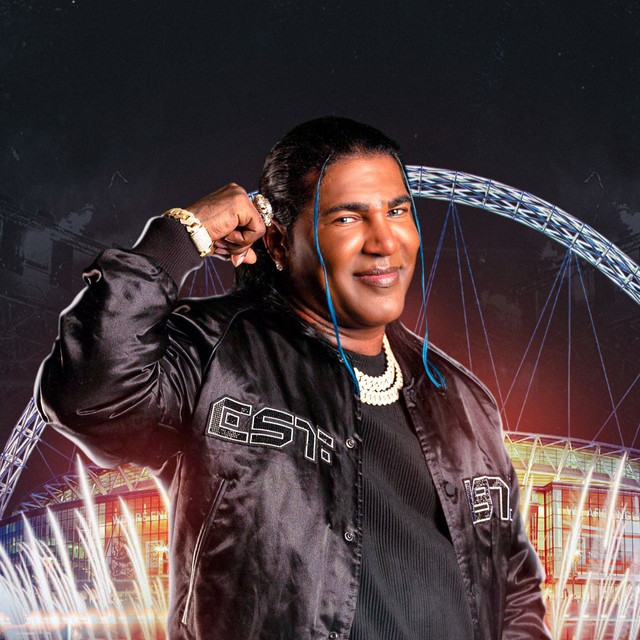
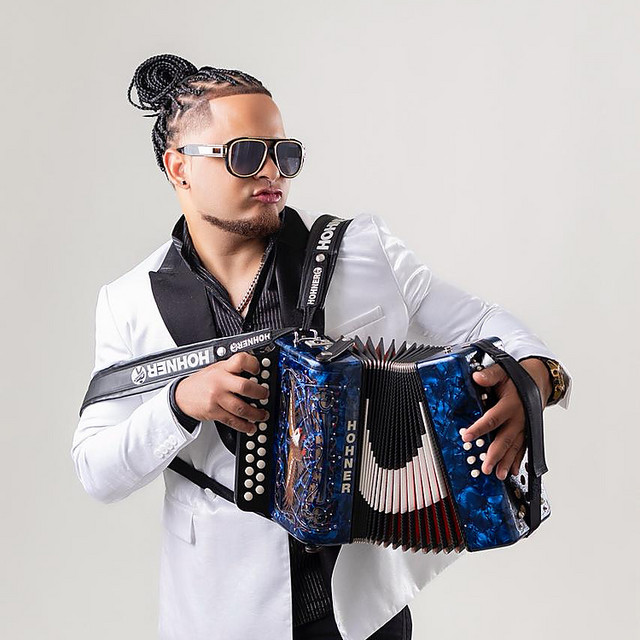
Omega
2009
·
1 album
Listen
4
/5
Genres
Latin Tech
Latin tech (often labeled Latin Tech on Beatport) is a modern, dance‑floor‑focused offshoot of tech house that foregrounds Latin American rhythmic vocabulary and timbres while keeping the sleek, driving 4/4 engine of tech house. Expect tight, minimal arrangements built around punchy kicks, syncopated percussion (congas, bongos, rimshots, güira), tumbao‑inspired bass motion and short, chant‑like Spanish or Portuguese vocal hooks. Compared with classic Latin house, Latin tech leans on the sound design, loop discipline and DJ‑friendly structure associated with tech house, prioritizing hypnotic grooves over harmonic complexity. Producers and DJs from across Latin America helped consolidate the sound, and in the early‑to‑mid‑2020s Beatport formalized the tag as a dedicated subgenre within Tech House.
Discover
Listen
Italian Trap
Italian trap is the Italian-language iteration of trap music that fuses Atlanta-rooted drum programming and 808-centric production with local slang, regional dialects, and Mediterranean melodic sensibilities. Built on rattling hi-hats, sliding 808 basses, and half-time grooves, the style leans heavily on Auto-Tune, catchy toplines, and minimal, moody harmonies. The lyrical focus blends street narratives and aspirational themes with references to Italian fashion, nightlife, and urban identities from Milan to Naples. From the mid-2010s onward, Italian trap became a dominant force in the country’s charts and streaming culture, introducing a new generation of stars and producers who helped redefine mainstream pop and hip hop in Italy.
Discover
Listen
Latin Afrobeats
Latin Afrobeats is a hybrid of West African Afrobeats and Latin urban pop in which Spanish (and sometimes Portuguese) lyrics ride syncopated, polyrhythmic grooves. It marries Afrobeats’ swung shakers, off‑beat hi‑hats, guitar licks, and buoyant bass with dembow and dancehall drum patterns common to reggaeton and Latin pop. The result is a bright, dance‑forward style with catchy toplines, call‑and‑response hooks, and concise song forms tailored to streaming. Production tends to be minimal yet percussive, with Afro‑percussion (shekere, conga/bongo colors), plucked guitars or synth plucks, and warm sub‑bass supporting melodies that often draw on pentatonic or natural minor scales. Themes revolve around romance, partying, and feel‑good celebration, making the music equally at home in clubs and playlists.
Discover
Listen
Trap Boricua
Trap boricua is the Puerto Rican strain of Latin trap: a Spanish-language take on Southern U.S. trap aesthetics fused with the island’s reggaetón DNA and hip‑hop tradition. It is characterized by halftime 4/4 grooves (typically 65–75 BPM, or 130–150 BPM counted double‑time), heavy 808 sub-bass with slides, skittering 1/16 hi‑hats and triplet rolls, crisp claps/snares on the halftime backbeat, and atmospheric pads or minor‑key synth motifs. Vocals often mix melodic Auto‑Tuned hooks with gritty rap verses, switching between rapid‑fire syllables and laid‑back flows. Lyrically, artists blend barrio storytelling, bravado (fronteo), luxury and street codes with Puerto Rican slang, while also opening space for romance, introspection, and social commentary. The sound frequently hybrids with reggaetón (dembow cadences), R&B, and drill, making it both club‑ready and mood‑driven.
Discover
Listen
Azontobeats
Azontobeats is a high-energy Ghanaian club sound built to power the Azonto dance craze of the early 2010s. It blends the melodic sensibility of highlife and the rap-forward urgency of hiplife with contemporary Afrobeats pop gloss, dancehall swagger, and UK club rhythms. Typically sitting around 118–128 BPM, the style features punchy, dance-focused drum programming, bright synth hooks, and recurring call-and-response chants in Ghanaian languages (especially Twi and Ga) and Ghanaian Pidgin English. Percussion draws on kpanlogo-inspired bell and drum patterns, while arrangements prioritize catchy toplines and hooky, instruction-style lyrics that cue dance moves. More than just a beat, Azontobeats became a cultural wave that helped push Ghana’s sound onto global dance floors, laying a pathway for later diasporic Afrobeats and UK Afroswing crossovers.
Discover
Listen
Electro Latino
Electro latino (often stylized as electrolatino) is a club-oriented fusion that blends the four-on-the-floor energy of European EDM and electro house with Spanish/Latin pop songwriting and Caribbean rhythmic accents. It typically features bright supersaw or pluck synth leads, sidechained pads, and festival-style drops, combined with Latin percussion (congas, güira, timbales) and chantable Spanish hooks. Lyrical themes favor summer romance, parties, and coastal imagery, mirroring the genre’s warm, feel-good sonic identity. The style crystallized in Spain in the early 2010s and rapidly spread across European and Latin markets through high-rotation radio singles and compilation series, normalizing Spanish-language vocals and Latin rhythms on mainstream EDM platforms.
Discover
Listen
La Pop
LA pop is a contemporary pop micro-scene centered on Los Angeles, defined by glossy, radio-ready production, hook-heavy toplining, and a tight ecosystem of songwriters, producers, and artist-development teams. It blends mainstream pop with electropop sheen, R&B smoothness, and a light touch of hip‑hop rhythms, all optimized for streaming, radio, and sync. The style emphasizes ultra-melodic choruses, crisp midtempo grooves, bright synths or guitar loops, and highly crafted vocal production (doubles, harmonies, tuned ad‑libs). Lyrically, it favors confessional storytelling about relationships, self‑image, and the LA dream—intimate in tone but cinematic in scale.
Discover
Listen
Rkt
RKT is a high‑energy Argentine take on urbano dance music that hardens the classic dembow/reggaeton pulse with the punch and party ethos of local cumbia scenes. It favors minimal, rhythm‑centric beats, heavy 808s, crisp kick‑snare patterns, and crowd‑hyping FX such as sirens, brass stabs, and risers. Vocals typically come in short, hooky chants and straightforward verses delivered in street‑level Spanish slang, designed for immediate dance‑floor and social‑media impact. Sonically it sits between reggaeton, DJ edit culture and Argentine cumbia (especially the villera tradition), keeping arrangements lean so the groove and drops hit as hard as possible.
Discover
Listen
Mambo Urbano
Mambo urbano is a high-energy, street-oriented evolution of Dominican merengue that blends traditional güira and tambora grooves with hip hop/REGGAETON flows, dembow rhythms, and modern electronic production. Built for clubs and block parties, it favors fast tempos, catchy call‑and‑response hooks, punchy synth-brass "mambo" lines, and talk‑sung vocals that fuse rap cadences with merengue phrasing. Compared with classic merengue, it is rougher, louder, and more minimal harmonically, prioritizing propulsion and swagger over lush orchestration. The style emerged in the Dominican Republic’s urban scenes in the mid-to-late 2000s, often called "mambo de calle" or "merengue urbano," and quickly became a soundtrack for contemporary Dominican youth culture at home and in the diaspora.
Discover
Listen
Latin
Latin (as a genre label) is a broad umbrella used by the recording industry to categorize popular music rooted in Latin America, the Caribbean, and the Iberian world, often characterized by syncopated Afro-diasporic rhythms, dance-forward grooves, and lyrics primarily in Spanish or Portuguese. As a marketplace category that took shape in the mid-20th century United States, it gathers diverse traditions—Afro-Cuban, Brazilian, Mexican, and Caribbean styles—into a shared space. In practice, "Latin" spans everything from big-band mambo and bolero ballads to contemporary pop, rock, hip hop, and dance fusions produced by artists of Latin American heritage.
Discover
Listen
Mambo
Mambo is a Cuban dance music style that crystallized in the late 1930s from danzón and son montuno, then exploded internationally in the 1940s and 1950s. It is characterized by layered syncopations under the Afro‑Cuban clave, driving bass tumbaos, piano montunos, and powerful antiphonal horn riffs known as moñas or "mambo" sections. In its classic big‑band form, mambo blends Cuban rhythmic vocabulary with jazz and swing arranging, featuring trumpets, trombones, and saxophones over a rhythm section of congas, bongos, timbales, cowbell, bass, and piano. The result is high‑energy, riff‑driven music built for social dancing and floor‑filling excitement.
Discover
Listen
Merengue
Merengue is a fast, dance-centered popular music from the Dominican Republic characterized by a driving 2/4 meter, bright major-key harmonies, and a propulsive rhythmic engine created by güira and tambora. In its rural "típico" form, the lead instrument is a diatonic accordion, supported by tambora, güira, and bass. Urban and orchestral evolutions expanded the instrumentation to include saxophones, trumpets, trombones, piano, congas, and electric bass, yielding a powerful big-band sound. Common song forms use verse–chorus structures with catchy coros and a climactic jaleo section where horns or accordion play tightly arranged riffs. The style spans energetic party anthems, romantic ballad-leaning numbers (merengue romántico), and modern fusions that blend with pop and urban music.
Discover
Listen
Show all 12 genres
Albums
2009
4
/5
El dueño del flow
Omega
Mambo Urbano
Merengue
Similar artists
4
/5
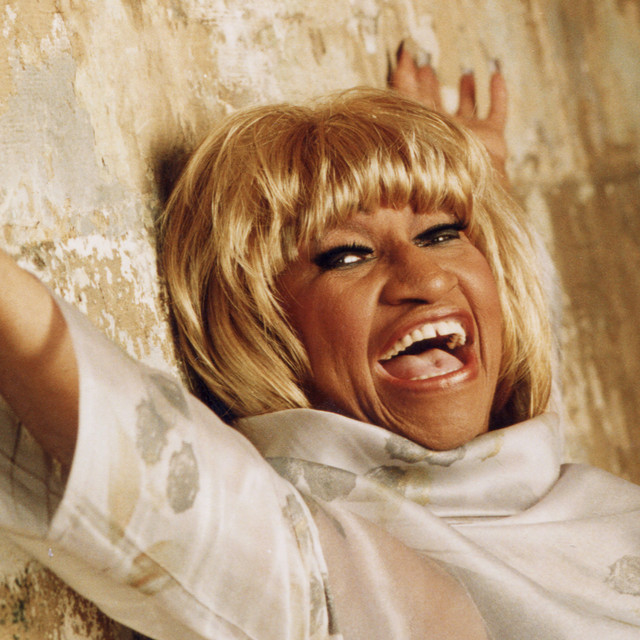
Celia Cruz
Latin Dance
Son Cubano
Mambo
3
/5
Pérez Prado
Mambo
Space Age Pop
Latin Jazz
3
/5
Eddie Palmieri
Salsa
Salsa Dura
Latin Jazz
1
/5
Cortijo y Su Combo Original
Salsa
Mambo
Latin
3
/5
El Blachy
Bachata
Mambo
Merengue
2
/5
Daniel Galan
Merengue
Mambo
Electro Bailando
4
/5
Marc Anthony
Latin
Salsa
Bachata
4
/5
Juan Luis Guerra 4.40
Merengue
Bachata
Latin
4
/5
Willie Colón
Salsa
Salsa Dura
Son Cubano
4
/5
Elvis Crespo
Latin Dance
Latin
Merengue
Download our mobile app
Get the Melodigging app and start digging for new genres on the go
Download on the App Store
Get it on Google Play
© 2026 Melodigging
Give feedback
Legal
Melodding was created as a tribute to
Every Noise at Once
, which inspired us to help curious minds keep digging into music's ever-evolving genres.