Genres
Artists
Albums
Make Music
Sign in
Sign in
Artists
Arabic Hip Hop
Artists
Arabic Hip Hop
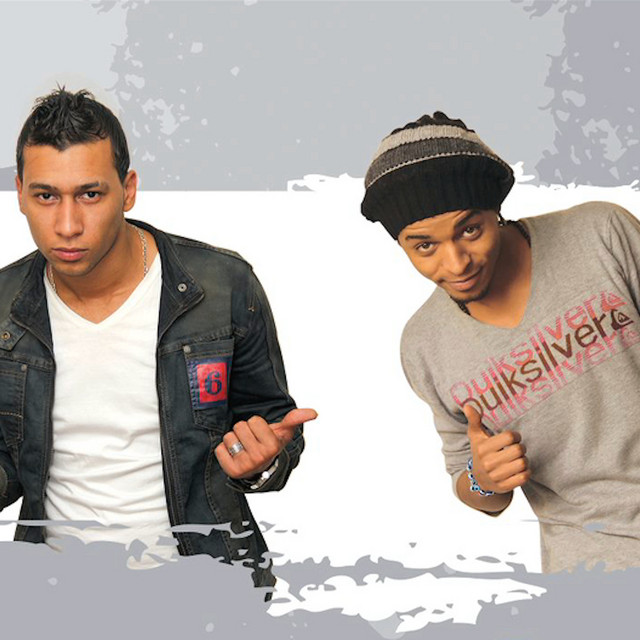
Oka Wi Ortega
Listen
3
/5
Genres
Trap Shaabi
Trap shaabi is an Egyptian fusion style that blends the street-party energy and timbres of shaabi/mahraganat with the half-time bounce, 808 weight, and ad‑libbed swagger of trap. It foregrounds Egyptian Arabic slang, bold hooks, and hyper-saturated sound design while retaining regional melodic colors and percussion. Producers stitch together distorted mizmar and arghul riffs, darbuka and sagat patterns, and microtonal melodies using maqam flavors (Bayati, Hijaz, Nahawand), then anchor them with booming sub‑bass, skittering hi‑hats, and clap-heavy drums. The result is a gritty, dance‑primed urban sound that feels equally at home in Cairo side streets and global streaming playlists.
Discover
Listen
Bashment Soca
Bashment soca is a Barbadian-born variant of soca that fuses the high-energy party Spirit of Crop Over with the grit and vocal delivery of Jamaican dancehall. Compared with power soca’s fast tempos, bashment soca typically runs slower and heavier, leaning on booming sub‑bass, minimal chord movement, and infectious, chantable hooks. The style foregrounds Bajan dialect, cheeky wordplay, and call‑and‑response crowd interaction. Tracks are often built on shared riddims, encouraging multiple vocal takes, remixes, and sound‑system style performances. The result is a raw, street‑level party music tailor‑made for “wuk up” dancing and road marches.
Discover
Listen
Egyptian Viral Pop
Egyptian viral pop is contemporary Egyptian pop designed for rapid spread on social platforms, especially YouTube, Instagram Reels, and TikTok. It blends mainstream Egyptian pop songwriting with street-level shaabi/mahraganat grooves and modern hip hop, trap, and EDM production. Songs are short, hook-first, and built around chantable refrains, memeable catchphrases, and danceable beats. Vocals are often in colloquial Egyptian Arabic with generous use of Auto‑Tune, while arrangement choices highlight a 15–30 second snippet optimized for short‑form video. Typical productions fuse darbuka and riqq percussion with 808s, claps, bright synth leads, and occasional mizmar, sax, or oud motifs. The overall effect is energetic, catchy, and built to travel quickly across the MENA region and diasporic audiences.
Discover
Listen
Mahraganat
Mahraganat (often called electro-shaabi or "festival music") is a high-energy Egyptian street style that fuses traditional shaabi party music with DIY electronic production, rap-like vocal delivery, and booming dance rhythms. It grew out of working-class wedding scenes and neighborhood celebrations, where portable sound systems, cracked software, and affordable microphones enabled a raw, urgent sound. The music is built on pounding darbuka-style percussion, sawtooth and reed-like synth leads that mimic mizmar timbres, heavy sub-bass, and heavily Auto-Tuned, shouted vocals. Lyrics mix humor, social commentary, bravado, and everyday slang, creating a direct line to the lived experiences of Cairo’s peripheries. The result is a gritty, infectious, and unmistakably local club sound that’s also globally legible.
Discover
Listen
Arabic Hip Hop
Arabic hip hop is the Arabic-language expression of global hip hop culture, emerging from the Arab world and its diaspora. It fuses rap flows and beat-making with Arabic dialects, poetic forms, and regional rhythmic/melodic vocabulary, creating a distinctive voice that reflects local realities and identities. Musically, it spans classic boom-bap to modern trap and drill aesthetics, often sampling or emulating oud, qanun, nay, and percussion such as darbuka and riq. Producers frequently weave maqam-based motifs (e.g., Hijaz, Bayati, Kurd) and popular rhythms (maqsoum, saidi, dabke) into 4/4 hip hop frameworks. Lyrically, artists alternate between colloquial dialects and fusha (Modern Standard Arabic), address social and political issues, and code-switch with French or English in North African and Levantine contexts.
Discover
Listen
Arabic Rap
Arabic rap (often used interchangeably with Arabic hip hop) blends the core techniques of global hip hop—MCing, DJing/production, breaking, and graffiti culture—with the languages, rhythms, and melodies of the Arab world. Artists rap primarily in colloquial dialects (Darija/Moroccan Arabic, Egyptian Arabic, Levantine Arabic, Gulf Arabic) and often code‑switch with French or English. Production ranges from classic boom‑bap to modern trap, frequently incorporating Middle Eastern/North African percussion (darbuka, riq, bendir), maqam‑based riffs (Hijaz, Bayati, Kurd), Gnawa grooves, Rai/Chaabi textures, and Levantine dance rhythms. The result is a style that carries hip hop’s social commentary and storytelling while sounding unmistakably local. Lyrically, Arabic rap spans protest and political critique, street reportage, identity and diaspora, humor and wordplay, and increasingly pop‑leaning hooks and melodic autotuned refrains.
Discover
Listen
Egyptian Pop
Egyptian pop is the mainstream popular music of Egypt, blending Arabic melodic modes (maqam) and percussion with Western pop songwriting and production. It typically features catchy choruses, polished studio arrangements, and a vocal style rich in melisma and ornamentation. The sound draws on local urban styles like shaabi and earlier Egyptian light music, while also absorbing international currents such as disco, synth-pop, new wave, dance-pop, R&B, and later house and EDM. Lyrical themes are often romantic or nostalgic, with occasional social commentary delivered in accessible colloquial Arabic. Since the 1990s, Egypt’s media infrastructure and star system helped these songs reach the wider Arab world, making Egyptian pop one of the region’s most visible musical exports.
Discover
Listen
Shaabi
Shaabi (often transliterated sha‘bi, meaning “of the people” or “popular”) is an urban Egyptian street-pop style rooted in working-class neighborhoods and wedding culture. It fuses Egyptian folk dance rhythms (especially maqsoum/baladi and sa‘idi) with colloquial Cairo Arabic lyrics, catchy accordion or mizmar riffs, and, from the 1980s onward, drum machines and quarter-tone keyboards. Melodies draw on Arabic maqam practice (notably Bayati, Hijaz, and Nahawand), with expressive microtonal ornamentation and frequent mawwal-style improvised vocal preludes. The vocal delivery is direct, gritty, and conversational, often humorous or satirical, and designed to energize a dancefloor via call-and-response hooks. Compared with classical Egyptian tarab and polished mainstream pop, shaabi is rawer in timbre, more rhythm-forward, and unapologetically grounded in everyday life and street aesthetics.
Discover
Listen
Show all 8 genres
Similar artists
3
/5
Mohamed Ramadan
Moroccan Pop
Arabic Hip Hop
Egyptian Pop
3
/5
Muslim
Egyptian Hip Hop
Mahraganat
Arabic Hip Hop
3
/5
El Sawareekh
Arabic Hip Hop
Egyptian Hip Hop
Egyptian Pop
3
/5
3enba
Arabic Hip Hop
Egyptian Hip Hop
Egyptian Pop
3
/5
Double Zuksh
Arabic Hip Hop
Egyptian Hip Hop
Egyptian Pop
3
/5
G. Oka
Arabic Hip Hop
Egyptian Hip Hop
Egyptian Pop
3
/5
Ortega
Arabic Hip Hop
Egyptian Hip Hop
Egyptian Pop
3
/5
Sadat El 3almy
Mahraganat
Arabic Hip Hop
Egyptian Hip Hop
2
/5
Hassan Abouelrouss
Arabic Hip Hop
Egyptian Hip Hop
Egyptian Pop
2
/5
Ahmed Helmy
Arabic Hip Hop
Egyptian Hip Hop
Egyptian Pop
Download our mobile app
Get the Melodigging app and start digging for new genres on the go
Download on the App Store
Get it on Google Play
© 2026 Melodigging
Give feedback
Legal
Melodding was created as a tribute to
Every Noise at Once
, which inspired us to help curious minds keep digging into music's ever-evolving genres.