Genres
Artists
Albums
Make Music
Sign in
Sign in
Artists
Polka
Artists
Polka
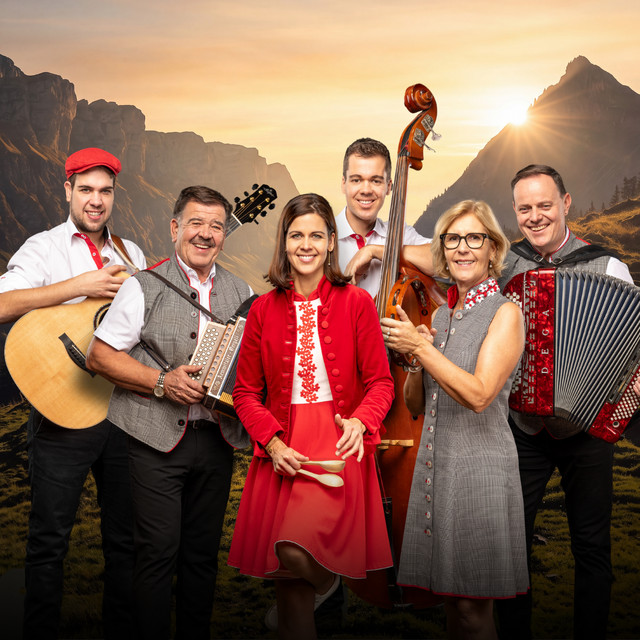
Oesch's die Dritten
4 albums
Listen
2
/5
Genres
Psystyle
Psystyle is a hardstyle subgenre that blends the rolling, hypnotic basslines and acidic leads of psytrance with the punchy 150 BPM kicks, anthem-writing, and arrangement habits of modern hardstyle. Typically, a psystyle track opens with a DJ-friendly mid-intro driven by a psy-style rolling bass and syncopated percussive patterns, then pivots into hardstyle build-ups and drops powered by distorted kick-and-tail sound design. The result is high-energy, festival-ready music that feels both trancey and relentless, combining psychedelic timbres with big-room hard dance impact.
Discover
Listen
Volkstümliche Musik
Volkstümliche Musik is a commercially oriented, folk-inspired popular style from the German-speaking world that blends traditional alpine sounds with pop-friendly songcraft. It emphasizes singable melodies, simple harmonies, and themes of Heimat (homeland), countryside life, love, and family. While rooted in regional folk (Volksmusik), the genre is polished for radio and television, featuring brass band timbres, accordion, yodeling elements, and danceable rhythms such as polka, waltz, and marches. Its accessible aesthetics and sentimental tone made it a mainstay of variety shows and festivals across Germany, Austria, and Switzerland.
Discover
Listen
Schlager
Schlager is a European popular music style characterized by catchy melodies, simple verse–chorus forms, and emotionally direct lyrics that foreground love, sentimentality, everyday life, and feel‑good escapism. It is typically sung in German, but also thrives in Swedish, Dutch, and other European languages, and favors bright, polished production, sing‑along choruses, and frequent key changes (notably a climactic final‑chorus modulation). Rhythmically steady, mid‑tempo 4/4 grooves support memorable hooks, while arrangements draw on orchestral colors (strings, brass), light pop rhythm sections, and, in later decades, disco, synth‑pop, and dance‑pop textures. Stylistically, Schlager sits between traditional pop and mainstream light entertainment, bridging pre‑rock European song traditions with modern pop presentation.
Discover
Listen
Polka
Polka is a lively Central European couple dance and musical style in a brisk 2/4 meter, characterized by its buoyant “oom‑pah” bass-chord accompaniment and bright, diatonic melodies. Originating in Bohemia (today’s Czech Republic) in the early 19th century, it quickly became a pan-European craze before taking root across immigrant communities in the Americas. Ensembles typically feature accordion or button box/concertina, clarinet or saxophone, trumpets/trombone, tuba or string bass, and drum kit, with regional variants highlighting different lead voices and rhythmic feels. While the classical ballroom tradition codified polka into formal strains (often AABB with a contrasting trio), folk and popular styles favor singable tunes, simple I–IV–V harmonies, and tempos commonly around 115–135 BPM, inviting upbeat social dancing and communal celebration.
Discover
Listen
Traditional Folk
Traditional folk is a broad umbrella for orally transmitted songs and dance tunes that circulated in rural and working-class communities before the age of mass recording. Repertoires include narrative ballads, laments, love songs, work songs, lullabies, and instrumental dance sets such as reels, jigs, hornpipes, and marches. Stylistically, traditional folk favors strophic forms, pentatonic or modal melodies (often Dorian and Mixolydian), limited harmonic movement, and strong, memorable tunes designed for communal singing and dancing. Performances range from unaccompanied solo voice to small ensembles built around fiddle, flute/whistle, pipes, concertina/accordion, guitar, banjo, and frame drum. Ornamentation, variation by verse, and flexible tempo are integral, reflecting an oral tradition where songs live through continual reinterpretation. Although it is pan‑regional, the modern idea of “traditional folk” coalesced in the 19th century through collectors and revivalists who documented vernacular music and framed it as cultural heritage.
Discover
Listen
Yodeling
Yodeling is a vocal technique and repertory defined by rapid and intentional alternation between chest voice and head voice (falsetto), producing audible register breaks on open vowels. Rooted most famously in the rural Alps, it functioned historically as long‑distance herding calls and community signals across mountains and valleys. Closely related practices appear in multiple cultures worldwide (e.g., Central African forest singing, Scandinavian cattle calls), underscoring yodeling’s role as a practical form of vocal communication as much as a musical idiom. Across the 19th and 20th centuries, yodeling moved from pasture and village dances into stage entertainment, commercial folk music, and North American country and western traditions, where it became a signature expressive device (“blue yodels,” cowboy yodels) and a symbol of pastoral nostalgia.
Discover
Listen
Albums
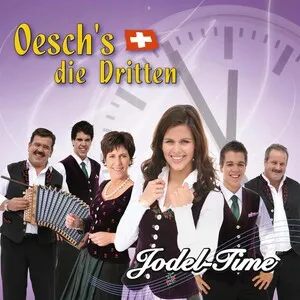
Jodel-Time
Oesch's die Dritten
Yodeling
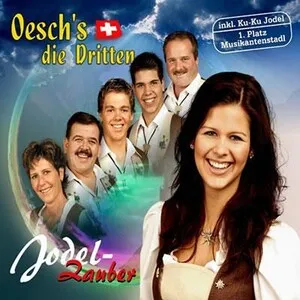
Jodel-Zauber
Oesch's die Dritten
Yodeling
Jodel-Time
Oesch's die Dritten
Volkstümliche Musik
Jodel-Zauber
Oesch's die Dritten
Volkstümliche Musik
Similar artists
2
/5
Takeo Ischi
Yodeling
Polka
Schlager
1
/5
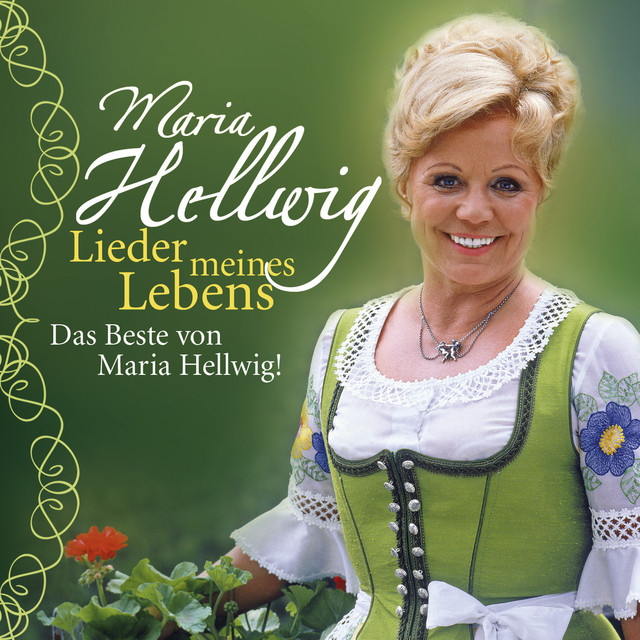
Maria Hellwig
Hollands
Polka
Schlager
2
/5
Die Mayrhofner
Volkstümliche Musik
Polka
Schlager
2
/5
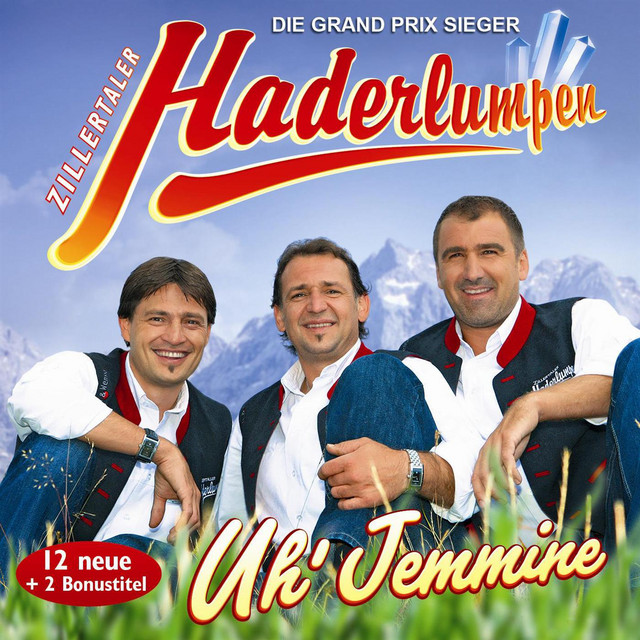
Zillertaler Haderlumpen
Volkstümliche Musik
Hollands
Polka
2
/5
Orig. Südtiroler Spitzbuam
Volkstümliche Musik
Hollands
Polka
2
/5
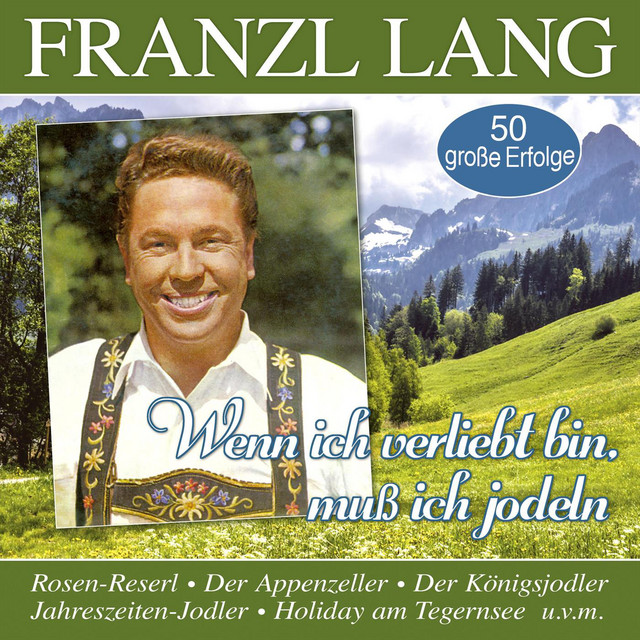
Franzl Lang
Polka
Yodeling
Volkstümliche Musik
1
/5
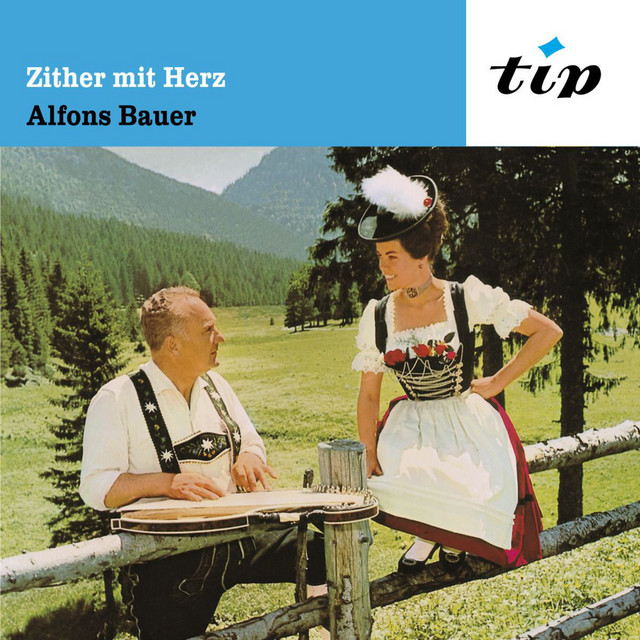
Alfons Bauer
Polka
Traditional Folk
Alpine Folk Music
1
/5
Fritz Liechti
Polka
Traditional Folk
Alpine Folk Music
3
/5
Florian Silbereisen
Polka
Schlager
Volkspop
3
/5
Heino
Volkstümliche Musik
Schlager
Volkspop
Download our mobile app
Get the Melodigging app and start digging for new genres on the go
Download on the App Store
Get it on Google Play
© 2026 Melodigging
Give feedback
Legal
Melodding was created as a tribute to
Every Noise at Once
, which inspired us to help curious minds keep digging into music's ever-evolving genres.