Genres
Artists
Albums
Make Music
Sign in
Sign in
Artists
Garage Rock
Artists
Garage Rock
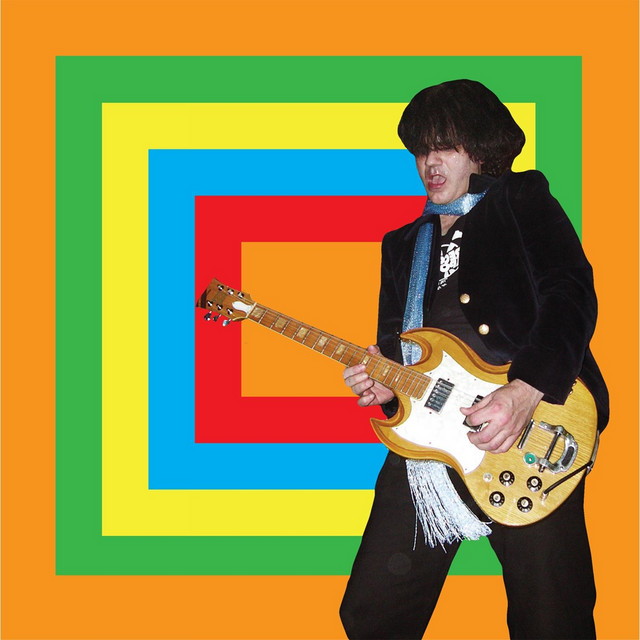
Nobunny
2008
·
1 album
Listen
2
/5
Genres
Egg Punk
Egg punk is a lo‑fi, synth‑laced, jittery offshoot of punk that embraces awkwardness, absurdist humor, and devolved futurism. It tends to favor short, tightly wound songs driven by springy bass, trebly guitars, cheap drum machines, and buzzing monosynths, with nasal or deadpan vocals. The sound references first‑wave new wave and Devo‑style art punk as much as it does budget garage punk, swapping macho toughness for geeky, rubbery energy. Releases are typically DIY—4‑track or cassette‑recorded—and circulate through small labels, Bandcamp, and tape trades.
Discover
Listen
Candy Pop
Candy pop is a super-bright, hook-forward branch of contemporary pop that emphasizes sweetness in both sound and theme. It blends bubblegum-style melodies with modern, glossy production, favoring catchy toplines, clean harmonies, and playful textures. Arrangements lean on glittery synths, claps, hand-percussion, and buoyant four-on-the-floor or bouncy half-time beats. Lyrics typically revolve around crushes, friendship, first love, and carefree fun, delivered with enthusiastic, youthful vocals. Compared with classic bubblegum pop, candy pop adopts current pop techniques (EDM builds, post-chorus hooks, subtle trap-lite percussion) and borrows visual and melodic cues from J-pop and K-pop’s “kawaii” aesthetics.
Discover
Listen
Power Pop
Power pop is a guitar-driven style that distills the melodic immediacy of 1960s British Invasion pop into concise, high-energy rock songs. It emphasizes big hooks, ringing guitars (often Rickenbacker-style jangle), tight vocal harmonies, and punchy, economical arrangements that typically run around three minutes. Lyrically, it leans toward youthful longing, romance, and bittersweet nostalgia, delivered with bright major-key progressions, chiming arpeggios, and sing-along choruses. Though Pete Townshend used the term in the late 1960s, the genre cohered in the early 1970s with bands like Badfinger, Big Star, and the Raspberries, and it has resurfaced repeatedly in waves through new wave, indie, and modern pop-punk contexts.
Discover
Listen
Punk Rock
Punk rock is a fast, raw, and stripped‑down form of rock music that foregrounds energy, attitude, and the DIY ethic over technical polish. Songs are short (often 90–180 seconds), in 4/4, and driven by down‑stroked power‑chord guitars, eighth‑note bass, and relentless backbeat drumming. Vocals are shouted or sneered rather than crooned, and lyrics are direct, often political, anti‑establishment, or wryly humorous. Production is intentionally unvarnished, prioritizing immediacy and live feel over studio perfection. Beyond sound, punk rock is a culture and practice: independent labels, fanzines, all‑ages venues, self‑organized tours, and a participatory scene that values inclusivity, affordability, and self‑reliance.
Discover
Listen
Garage Rock
Garage rock is a raw, energetic style of rock music that emerged in the mid-1960s from local scenes across North America. Typically performed by amateur or semi-professional teenage bands in basements and suburban garages, the sound is unpolished and immediate, favoring feel over finesse. Its hallmarks include distorted guitars, pounding drums, simple chord progressions (often I–IV–V), prominent Farfisa/Vox organ riffs, and shouted, attitude-heavy vocals. Songs are short, hooky, and driven by rhythmic urgency, with lyrics about teenage love, boredom, rebellion, and swagger. The style became a direct ancestor of proto-punk and punk rock, prized for its do-it-yourself spirit and visceral impact.
Discover
Listen
Surf Rock
Surf rock is a guitar-driven rock style that emerged in early-1960s Southern California, defined by spring-reverb-drenched electric guitars, rapid tremolo picking, and pounding backbeats that evoke the motion of ocean waves. The genre has two intertwined strands. Instrumental surf emphasizes minor keys, exotic/Mediterranean and Middle Eastern scales, staccato melodies, and clean-but-bright tones from Fender-style guitars and amps. Vocal surf layers rich, Beach Boys–style harmonies and teen-oriented lyrics about surfing, cars, and summer life onto rock-and-roll foundations. Hallmarks include the "drip" of outboard spring reverb tanks, snare- and tom-heavy drum patterns, driving bass ostinatos, and melodic lead lines that favor open strings and fast alternate picking. The result is energetic, danceable music that is both sun-soaked and slightly otherworldly.
Discover
Listen
Garage Pop
Garage pop blends the raw, energetic attack of garage rock with bright, ear‑catching pop melodies. It favors short, hook‑heavy songs, jangly or fuzz‑kissed guitars, tambourine and handclaps, and sing‑along choruses. While the sonics are gritty and often lo‑fi, the songwriting is unabashedly tuneful—drawing on 1960s girl‑group harmonies, surf rhythms, and Brill Building craft. Lyrics tend to be direct and youthful (love, longing, summer ennui), and vocals are frequently drenched in reverb for a hazy, sun‑bleached glow.
Discover
Listen
Garage Punk
Garage punk is a raw, high-energy strain of rock that fuses the primitive drive of mid‑1960s American garage bands with the speed, sneer, and DIY ethos later associated with punk. It favors overdriven guitars (often drenched in fuzz and spring reverb), stomping backbeats, shouted or snotty vocals, and two- or three-chord riffs recorded with intentionally lo‑fi, live-in-the-room immediacy. Organ stabs, handclaps, and tambourines are common textural touches, while lyrics lean toward teenage frustration, lust, menace, and mischief. Songs are short, hooky, and explosive—more about attitude and impact than polish—making garage punk a perennial engine for underground rock scenes.
Discover
Listen
Rock
Rock is a broad family of popular music centered on amplified instruments, a strong backbeat, and song forms that foreground riffs, choruses, and anthemic hooks. Emerging from mid‑20th‑century American styles like rhythm & blues, country, and gospel-inflected rock and roll, rock quickly expanded in scope—absorbing folk, blues, and psychedelic ideas—while shaping global youth culture. Core sonic markers include electric guitar (often overdriven), electric bass, drum kit emphasizing beats 2 and 4, and emotive lead vocals. Rock songs commonly use verse–chorus structures, blues-derived harmony, and memorable melodic motifs, ranging from intimate ballads to high‑energy, stadium‑sized performances.
Discover
Listen
Show all 9 genres
Albums
2008
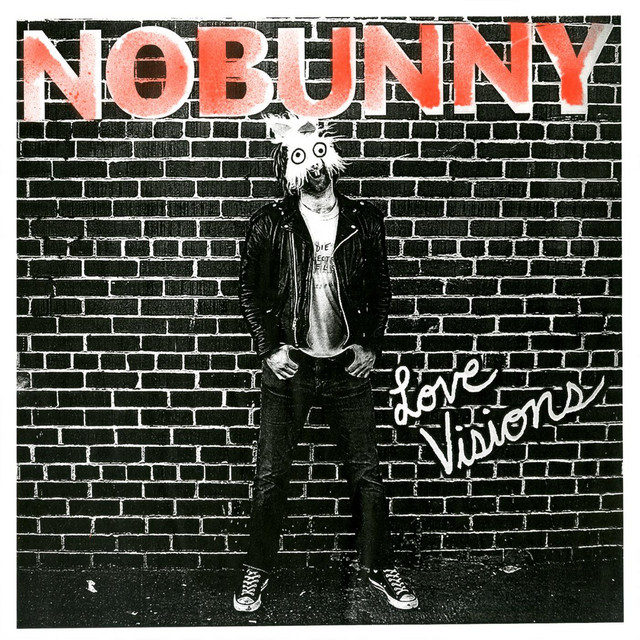
Love Visions
Nobunny
Garage Pop
Similar artists
2
/5
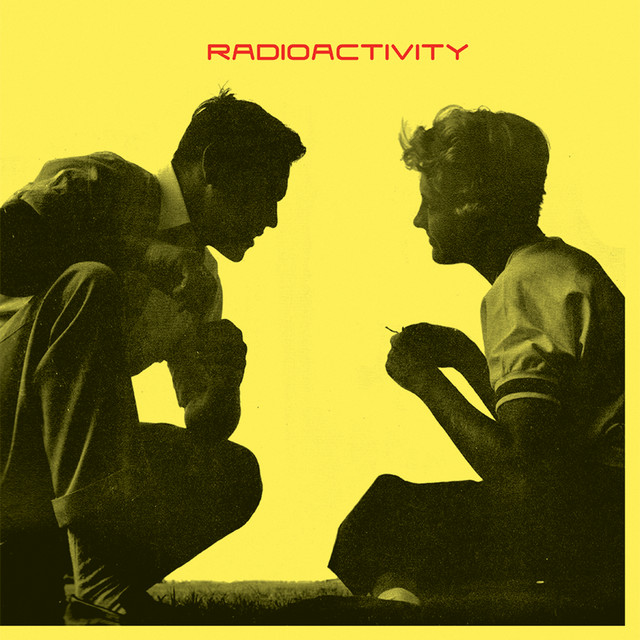
Radioactivity
Garage Punk
Garage Rock
Indie Punk
2
/5
M.O.T.O.
Garage Rock
Power Pop
Garage Pop
2
/5
The Marked Men
Garage Punk
Egg Punk
Garage Rock
2
/5
Jacuzzi Boys
Garage Rock
Surf Rock
Garage Pop
1
/5
The Almighty Defenders
Garage Rock
Surf Rock
Frat Rock
3
/5
FIDLAR
Indie Punk
Garage Rock
Skate Punk
3
/5
The Frights
Surf Punk
Garage Rock
Rock
3
/5
Wavves
Indie Rock
Surf Punk
Indie Punk
3
/5
Bass Drum of Death
Popgaze
Garage Rock
Indie Punk
2
/5
King Tuff
Noise Pop
Garage Rock
Neo-Psychedelia
Download our mobile app
Get the Melodigging app and start digging for new genres on the go
Download on the App Store
Get it on Google Play
© 2026 Melodigging
Give feedback
Legal
Melodding was created as a tribute to
Every Noise at Once
, which inspired us to help curious minds keep digging into music's ever-evolving genres.