Genres
Artists
Albums
Make Music
Sign in
Sign in
Artists
Bolero
Artists
Bolero
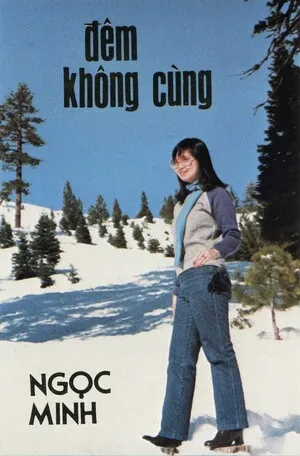
Ngọc Minh
1983
·
1 album
Listen
1
/5
Genres
Vietnamese Bolero
Vietnamese bolero is a localized, Vietnamese-language adaptation of the Latin bolero song form that took root in South Vietnam in the 1950s and blossomed in the 1960s. It preserves the bolero’s slow, swaying pulse while softening and simplifying the rhythm into a tender 4/4 ballad feel suited to Vietnamese prosody and ornamentation. Arrangements typically feature nylon‑string or archtop guitar arpeggios, gentle brushed drums, bass, accordion or harmonium, and lush strings or reed/organ pads. Vocals are intimate and expressive, using vibrato, portamento, and delicate slides characteristic of Vietnamese singing. Harmony is largely diatonic and melodically inclined toward pentatonic shapes, creating a wistful, homespun color. Lyrically, Vietnamese bolero centers on love, separation, fidelity, and longing for one’s hometown or youth. Its sentimental tone made it a core strand of the broader nhạc vàng ("yellow music") tradition and an enduring emblem of Vietnamese nostalgic balladry.
Discover
Listen
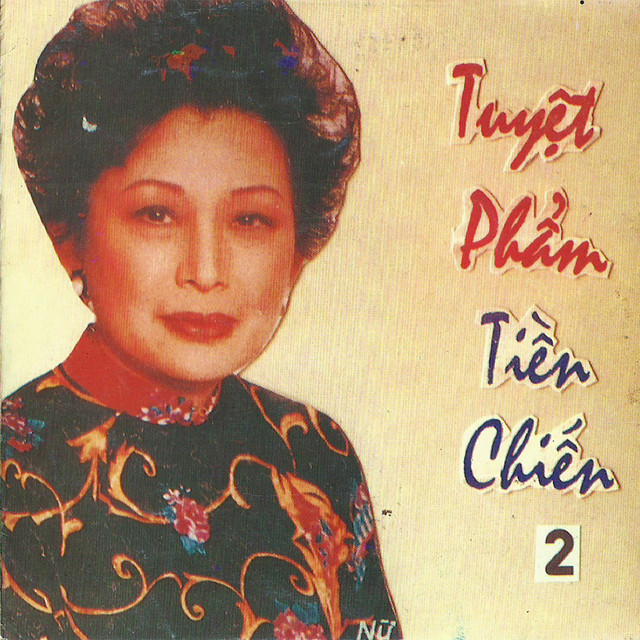
Nhạc Tiền Chiến
Nhạc tiền chiến (pre-war Vietnamese popular music) refers to songs composed roughly from the late 1930s to 1945 in Vietnam, when Western tonal harmony and salon dance rhythms first intertwined with Vietnamese poetic sensibilities. The style is marked by lyrical, cantabile melodies; diatonic major/minor harmony with touches of chromatic color; and graceful accompaniment patterns derived from waltz, tango, and habanera. Texts are refined and literary, often adapted from or inspired by poetry, and dwell on themes of love, longing, landscape, and homeland. Its overall sound is intimate and nostalgic, typically arranged for voice with piano or guitar, sometimes joined by violin or mandolin. Although Westernized in harmony and form, nhạc tiền chiến preserves Vietnamese melodic turns and prosody, creating a unique bridge between local tradition and early 20th‑century European song and dance idioms.
Discover
Listen
Bolero
Bolero is both a Spanish dance-music form from the late 18th century and, later, a Cuban song style from the late 19th century. The Spanish bolero emerged as a moderately slow solo or partner dance in 3/4 time, shaped by Andalusian song-dance traditions. It typically features guitar accompaniment and castanets, and its sung texts often follow the seguidilla stanza pattern. In Cuba, bolero evolved into a romantic ballad—most often in 2/4 (later also felt in 4/4)—performed by singers, trios, and salon ensembles. Cuban bolero emphasizes intimate, lyrical melodies, guitar-led accompaniment (often with requinto), and gentle Afro-Caribbean rhythmic undercurrents (habanera feel, soft bongo, claves), becoming one of Latin America’s quintessential love-song forms.
Discover
Listen
Albums
1983
1
/5
Đêm không cùng
Ngọc Minh
Nhạc Tiền Chiến
Similar artists
2
/5
Tuấn Ngọc
Bolero
V-Pop
Vietnamese Bolero
2
/5
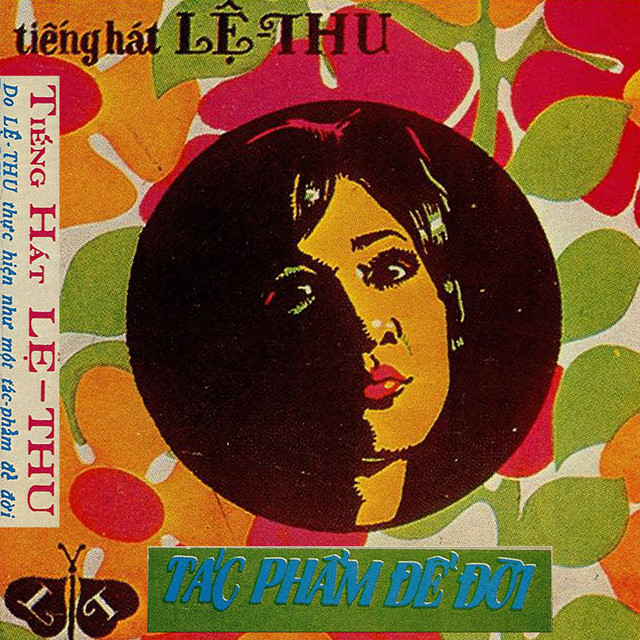
Lệ Thu
Bolero
Nhạc Vàng
V-Pop
2
/5
Thanh Thúy
Bolero
Traditional Music
Vietnamese Bolero
2
/5
Sĩ Phú
Bolero
Vietnamese Bolero
Nhạc Tiền Chiến
1
/5
Mai Hương
Bolero
Vietnamese Bolero
Nhạc Tiền Chiến
3
/5
H2K
Bolero
Modern Downshift
V-Pop
3
/5
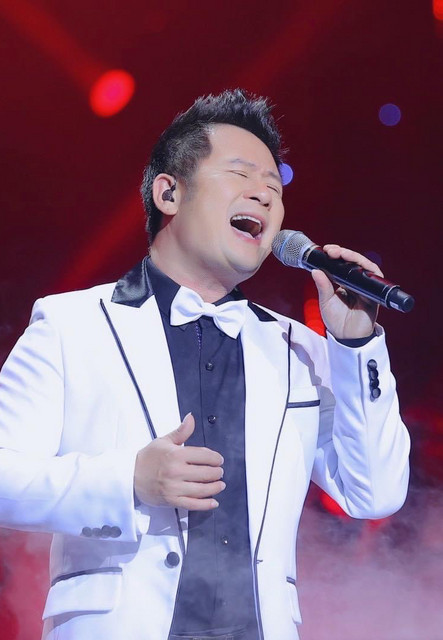
Bằng Kiều
Vietnamese Bolero
Bolero
Melodic Rap
3
/5
Phương Phương Thảo
Bolero
V-Pop
Vietnamese Bolero
3
/5
Lệ Quyên
Vietnamese Bolero
Bolero
V-Pop
3
/5
Như Quỳnh
Bolero
V-Pop
Vietnamese Bolero
Download our mobile app
Get the Melodigging app and start digging for new genres on the go
Download on the App Store
Get it on Google Play
© 2026 Melodigging
Give feedback
Legal
Melodding was created as a tribute to
Every Noise at Once
, which inspired us to help curious minds keep digging into music's ever-evolving genres.