Genres
Artists
Albums
Make Music
Sign in
Sign in
Artists
Marrabenta
Artists
Marrabenta
Neyma
2010–2015
·
3 albums
Listen
1
/5
Genres
Kizomba
Kizomba is a smooth, romantic dance-music style that originated in Angola, blending the melodic sensibilities of local semba with the lush, slow-tempo grooves of Caribbean zouk. Typically set in 4/4 time around 86–100 BPM, it emphasizes a deep, round sub‑bass, sparse drum programming, and gently syncopated percussion that encourages close, flowing partner movement. Arrangements favor silky synth pads, clean electric guitar arpeggios or comping, and R&B-influenced vocals in Portuguese and other Angolan or Cape Verdean languages. Lyrical themes gravitate to love, intimacy, nostalgia, and urban life. Over time, kizomba diversified into substyles (such as the even sparser, bass-forward tarraxinha) and spread through the Lusophone diaspora, especially in Portugal, before becoming a global social-dance phenomenon.
Discover
Listen
Kuduro
Kuduro is a high-energy dance music and street culture that originated in Angola in the late 1980s and early 1990s. Its name comes from Angolan Portuguese, roughly meaning “hard butt,” a playful reference to the explosive, physically demanding dance moves and the hard-hitting, percussive beats that drive the style. Musically, kuduro fuses local Angolan rhythms with electronic dance music, hip hop, ragga/dancehall, and Caribbean influences like soca and zouk. Tracks typically sit around 140–150 BPM, feature pounding, syncopated kick patterns, claps on off-beats, chopped vocal shouts, sirens, and whistle FX. Harmony is sparse or loop-based; the focus is on rhythm, call-and-response MCing (in Portuguese and local languages), and relentless forward motion tailored for dance battles and street parties.
Discover
Listen
Zouk
Zouk is a high-energy dance music that originated in the French Caribbean (Guadeloupe and Martinique) in the early 1980s, crystallized by the band Kassav’. It blends Haitian compas (kadans) with local folk rhythms and the glossy production aesthetics of disco, funk, and early electronic pop. Early “zouk béton” emphasized driving, tightly arranged rhythms, bright synth-brass stabs, and call-and-response vocals. A slower, smoother branch known as “zouk love” followed, foregrounding romantic lyrics, silky harmonies, and sensual grooves. Sung primarily in Antillean Creole and French, zouk is both a party soundtrack and a cultural statement of Caribbean identity.
Discover
Listen
Marrabenta
Marrabenta is a guitar-driven, urban dance music from Mozambique, centered in the capital Maputo. It fuses local Mozambican dance rhythms and call-and-response vocals with Portuguese folk elements introduced during the colonial era. Typically fast and propulsive, marrabenta emphasizes bright lead guitars, loping bass lines, hand percussion, and singable choruses. Lyrics shift between Portuguese and local languages (e.g., Ronga, Changana), narrating love, everyday life, and social realities. The name is often linked to the Portuguese verb “rebentar” (to break), a nod to early bands’ inexpensive, makeshift instruments whose strings frequently snapped. While experiments began in the 1930s–1940s in Lourenço Marques (now Maputo), the style cohered as a popular, modern dance genre by the 1950s and later became a post‑independence emblem of Mozambican urban culture.
Discover
Listen
Albums
2015
2
/5
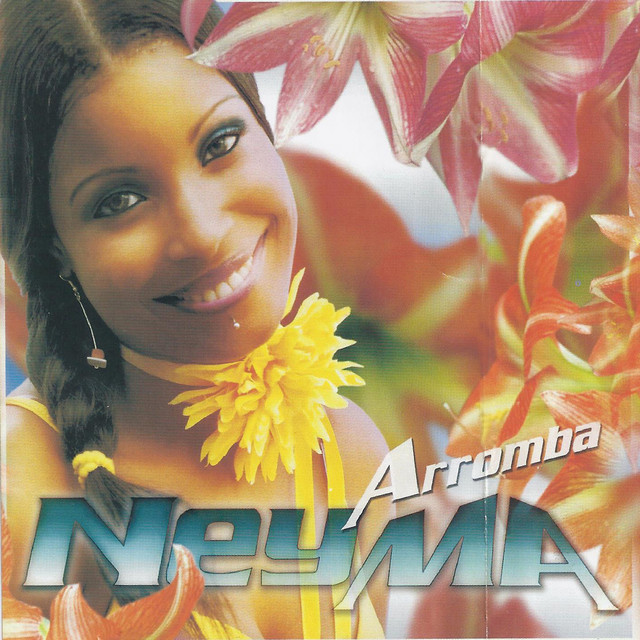
Arromba
Neyma
Marrabenta
2015
1
/5
Idiomas
Neyma
Marrabenta
2010
1
/5
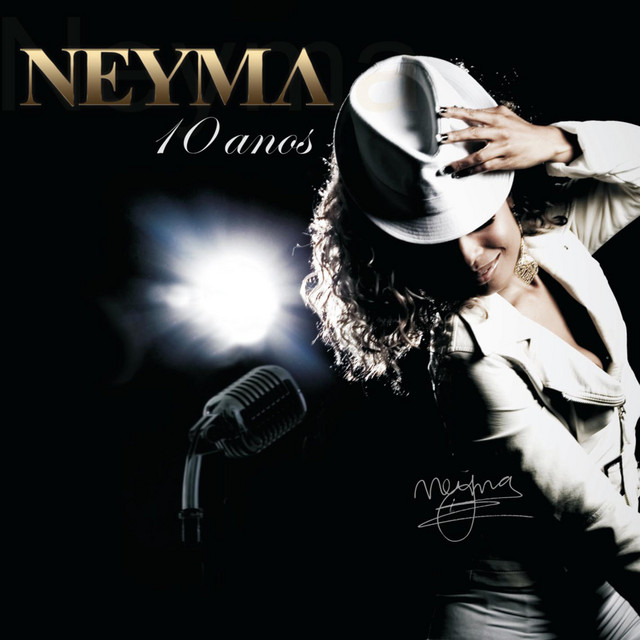
10 Anos
Neyma
Marrabenta
Similar artists
3
/5
Badoxa
Kuduro
Kizomba
Zouk
3
/5
Kaysha
Kizomba
Zouk Love
Basshall
3
/5
Nelson Freitas
Kizomba
Afrobeats
Cabo Zouk
3
/5
Anselmo Ralph
Semba
Kizomba
Kuduro
3
/5
C4 Pedro
Kizomba
Kuduro
Compas
3
/5
Djodje
Kizomba
Kuduro
Zouk
3
/5
Matias Damásio
Semba
Kizomba
Kuduro
3
/5
Edgar Domingos
Kizomba
Kuduro
Zouk
3
/5
Landrick
Kuduro
Compas
Kizomba
3
/5
Chelsea Dinorath
Kizomba
Kuduro
Zouk
Download our mobile app
Get the Melodigging app and start digging for new genres on the go
Download on the App Store
Get it on Google Play
© 2026 Melodigging
Give feedback
Legal
Melodding was created as a tribute to
Every Noise at Once
, which inspired us to help curious minds keep digging into music's ever-evolving genres.