Genres
Artists
Albums
Make Music
Sign in
Sign in
Artists
Enka
Artists
Enka
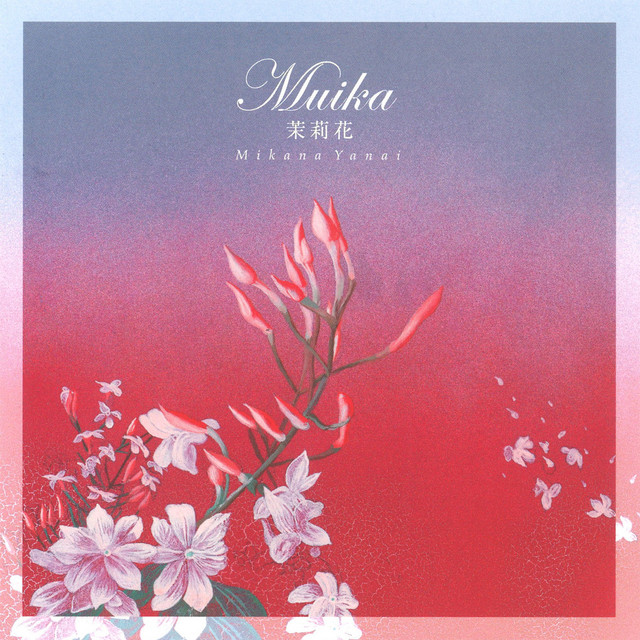
Mikana Yanai
1996
·
1 album
Listen
1
/5
Genres
Enka
Enka is a Japanese popular song style known for its sentimental ballads, expressive vocals with wide vibrato, and dramatic, narrative delivery. It evokes nostalgia for hometowns, bygone eras, and lost love, often painting scenes of coastal ports, country roads, and seasonal landscapes. Musically, enka blends Western harmonic frameworks with Japanese melodic sensibilities. Melodies often use yonanuki (four-note-omission) major or minor pentatonic variants, creating a “traditional” Japanese color over simple, diatonic progressions. Arrangements favor lush strings, reverb-laden guitars, saxophone obbligatos, and occasional traditional timbres (shamisen or shakuhachi) for color. Culturally, enka rose to mass popularity during the postwar Shōwa era and remains tied to television variety shows, karaoke bars, and live theater venues. Its performance practice foregrounds pathos, rubato phrasing, and ornamental turns called kobushi.
Discover
Listen
Jiuta
Jiuta (地歌) is a refined chamber vocal-and-instrumental genre from Japan’s Kansai (Kamigata) region, centered on the shamisen and often performed in the sankyoku ensemble with koto and shakuhachi (originally kokyū). It emerged in the early Edo period among professional blind musicians (kengyō) and emphasizes nuanced vocal delivery, subtle ornamentation, and flexible phrasing. Pieces range from lyrical utamono (song-centered works) to tegotomono, which intersperse sung sections with substantial instrumental interludes (tegoto) showcasing intricate shamisen and koto technique. Typical performance aesthetics follow the Japanese jo–ha–kyū arc (introduction–development–rush to conclusion), favoring measured tempos, timbral delicacy, and poetic texts imbued with seasonal imagery and wistful sentiments.
Discover
Listen
Japanese Classical
Japanese classical refers to the courtly, religious, theatrical, and chamber traditions that crystallized in Japan from the Nara and Heian periods onward. It encompasses Gagaku (imperial court music), Shinto ritual music (kagura), Buddhist chant (shōmyō), Noh and Kabuki repertories (e.g., nagauta, jōruri), and chamber music for koto, shamisen, and shakuhachi (sankyoku). The style emphasizes modal color (ryō and ritsu modes, along with later in/yo pentatonic variants), the dramatic architecture of jo–ha–kyū (slow introduction, development, swift conclusion), and the aesthetic of ma (meaningful silence/space). Textures are often heterophonic or layered, timbres are cultivated for breathy, reedy, and bell-like colors (e.g., shō, hichiriki, ryūteki), and rhythm can range from free-flowing chant to stately ceremonial cycles. The result is a contemplative yet ceremonially powerful sound world distinct from Western common-practice tonality.
Discover
Listen
Albums
1996
1
/5
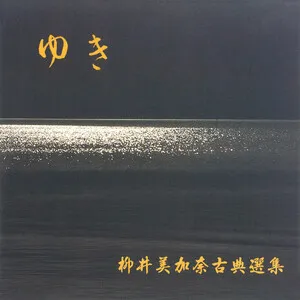
柳井美加奈古曲選集 [ゆき]
Mikana Yanai 柳井美加奈
Jiuta
Similar artists
2
/5
Yutaka Yamakawa
Enka
Japanese Classical
2
/5
Akiko Kosaka
Enka
Japanese Classical
2
/5
Aiko Moriyama
Enka
Japanese Classical
Kayōkyoku
2
/5
Seijin Noborikawa
Enka
Japanese Classical
Japanese Folk Music
2
/5
ザ・タイガース
Group Sounds
Enka
Japanese Classical
1
/5
Akiko Kanazawa
Enka
Japanese Classical
Kayōkyoku
1
/5
Rentaro Taki
Enka
Japanese Classical
1
/5
市丸
Enka
Japanese Classical
Traditional Music
1
/5
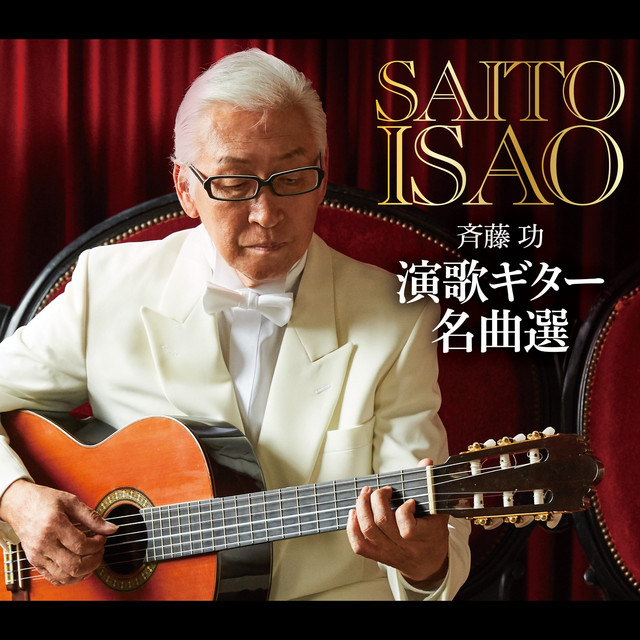
Isao Saitou
Enka
Japanese Classical
1
/5
Isao Saito
Enka
Japanese Classical
Download our mobile app
Get the Melodigging app and start digging for new genres on the go
Download on the App Store
Get it on Google Play
© 2026 Melodigging
Give feedback
Legal
Melodding was created as a tribute to
Every Noise at Once
, which inspired us to help curious minds keep digging into music's ever-evolving genres.