Genres
Artists
Albums
Make Music
Sign in
Sign in
Artists
Cinematic Classical
Artists
Cinematic Classical
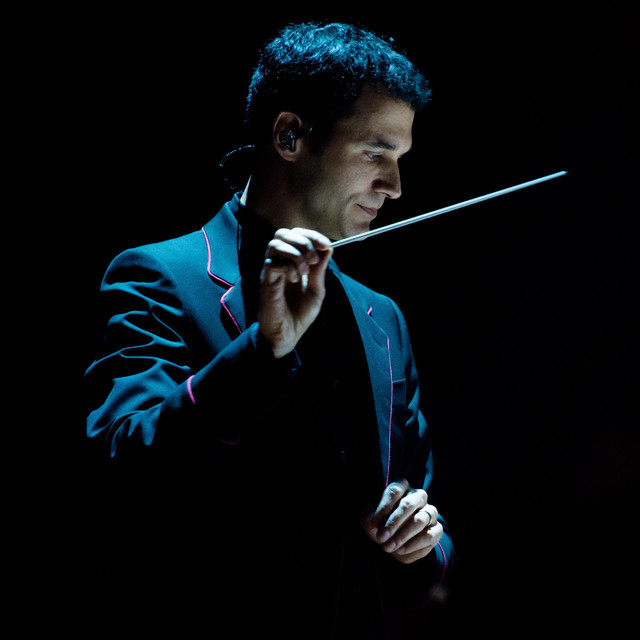
Mehrdad Biazarikari
Listen
Genres
Cinematic Classical
Cinematic classical is a contemporary stream of concert and media-oriented composition that merges classical orchestration with the pacing, narrative arcs, and textural sound design of film music. Typically centered on piano and strings, it favors slow-moving harmonies, ostinatos, spacious reverb, and emotive, diatonic melodies that build in dynamic intensity. Many works adopt a minimalist or post-minimalist vocabulary—repetition, gradual change, and clear tonal centers—while incorporating modern production techniques (felt piano, tape saturation, synth pads, subtle pulses) to achieve a widescreen, evocative sound. The style thrives both in standalone albums and in sync contexts (film, TV, trailers), where self-contained “cues” develop clear arcs—intro, build, climax, release—designed to support visual storytelling without sacrificing musical integrity.
Discover
Listen
Neo-Classical
Neo-classical (often called post-classical in the streaming era) is a contemporary branch of classical-adjacent music that blends salon- and chamber-style writing with minimalist repetition, ambient textures, and cinematic production. It typically centres on intimate, close-miked piano and small string ensembles, augmented by subtle electronics (synth pads, tape hiss, granular textures) and restrained percussion. Pieces tend to favour consonant harmony, slow harmonic rhythm, and memorable ostinati over extended development, and are commonly crafted as short vignettes suitable for both active listening and background use. A key aesthetic is warmth and proximity: felted pianos, bow noise, room tone, and soft tape saturation underline a human, handcrafted atmosphere. While rooted in classical craft, the genre is oriented toward 21st‑century listening contexts (film/TV sync, playlists, and focused work).
Discover
Listen
Soundtrack
Soundtrack is music created to accompany and enhance visual media such as film, television, and video games. It includes original scores (instrumental or vocal music composed specifically for the picture) and, at times, curated compilations of pre-existing songs. Stylistically, soundtrack is a meta-genre that can encompass orchestral symphonic writing, jazz, electronic and synth-driven textures, choral forces, popular song, and experimental sound design. Its defining trait is functional storytelling: themes, motifs, harmony, rhythm, and timbre are shaped by narrative needs, character psychology, pacing, and editing. Common features include leitmotifs for characters or ideas, modular cues that can be edited to picture, dynamic orchestration for dramatic range, and production approaches that sit well under dialogue and sound effects. Because it must synchronize to picture, soundtrack often uses clear dramatic arcs, tempo maps, and hit points.
Discover
Listen
Orchestral Song
Orchestral song is an art-song tradition in which a solo voice is accompanied by a full orchestra rather than piano or a small chamber ensemble. It preserves the intimate, text-led focus of lieder and mélodie while expanding the expressive palette with orchestral color, timbral contrast, and large-scale dynamic shaping. Unlike opera, it is not staged and typically sets discrete poems or groups of poems, often assembled into cycles. Forms range from strophic to through-composed, and the style spans late-Romantic tonal idioms to early modernist harmonies. Central to the genre is the careful balance between textual clarity and orchestral richness, with the orchestra acting as a commentator and colorist—introducing motives, painting imagery, and framing the vocal line with preludes, interludes, and postludes.
Discover
Listen
Classical
Classical music is the notated art-music tradition of Europe and its global descendants, characterized by durable forms, carefully codified harmony and counterpoint, and a literate score-based practice. The term “classical” can refer broadly to the entire Western art-music lineage from the Medieval era to today, not just the Classical period (c. 1750s–1820s). It privileges long-form structures (such as symphonies, sonatas, concertos, masses, and operas), functional or modal harmony, thematic development, and timbral nuance across ensembles ranging from solo instruments to full orchestras and choirs. Across centuries, the style evolved from chant and modal polyphony to tonal harmony, and later to post-tonal idioms, while maintaining a shared emphasis on written notation, performance practice, and craft.
Discover
Listen
Similar artists
1
/5
Various Artists
Soundtrack
Afro-Funk
Alternative Rock
5
/5
Hans Zimmer
Score
Soundtrack
Classical
4
/5
London Symphony Orchestra
Classical
Ballet
American Classical Piano
4
/5
Danny Elfman
Score
Rock
Soundtrack
4
/5
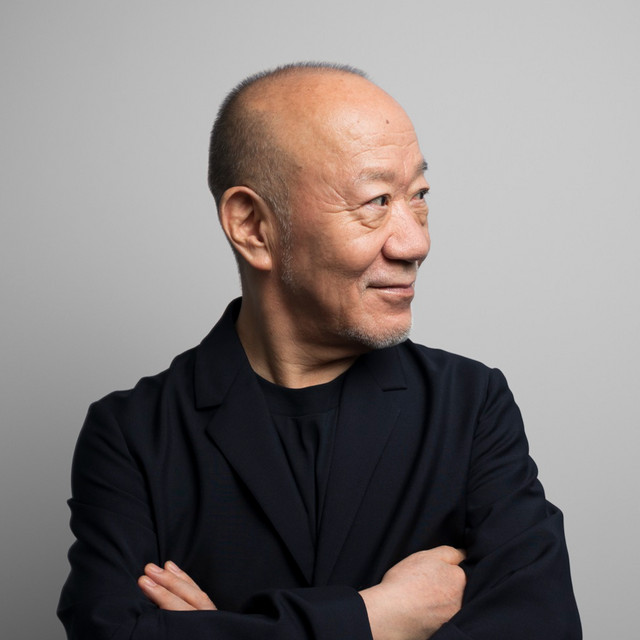
Joe Hisaishi
Anime
Classical
Electronic
4
/5
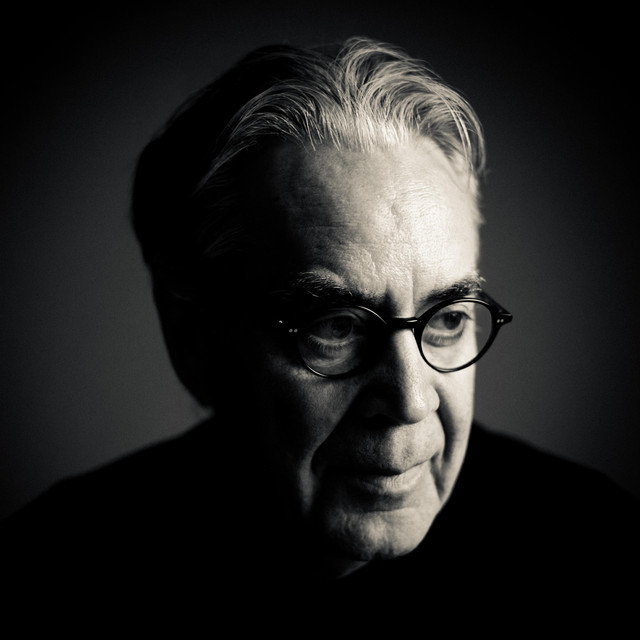
Howard Shore
Score
Soundtrack
Classical
4
/5
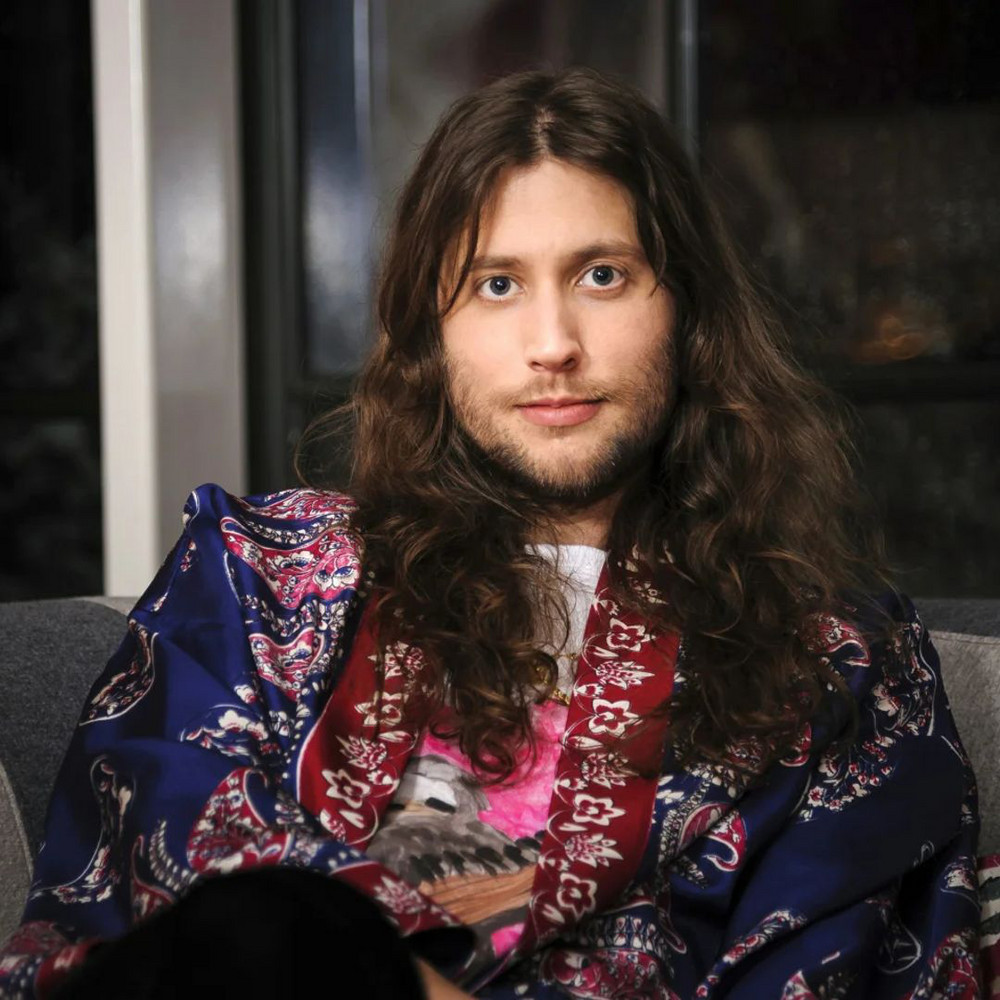
Ludwig Göransson
Nordic Soundtrack
Classical
Soundtrack
4
/5
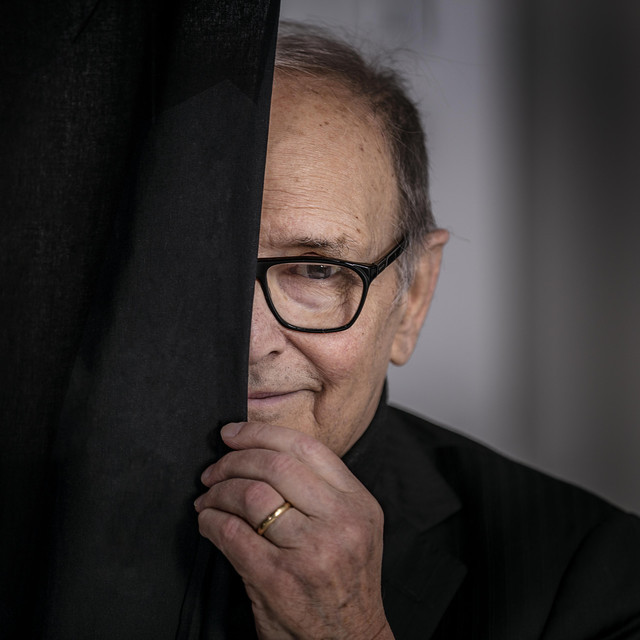
Ennio Morricone
Cinematic Classical
Soundtrack
Austro-German Modernism
4
/5
Ramin Djawadi
Soundtrack
Classical
Ethereal Wave
4
/5
Two Steps from Hell
Score
Epic Music
Classical
Download our mobile app
Get the Melodigging app and start digging for new genres on the go
Download on the App Store
Get it on Google Play
© 2026 Melodigging
Give feedback
Legal
Melodding was created as a tribute to
Every Noise at Once
, which inspired us to help curious minds keep digging into music's ever-evolving genres.