Genres
Artists
Albums
Make Music
Sign in
Sign in
Artists
Fado
Artists
Fado
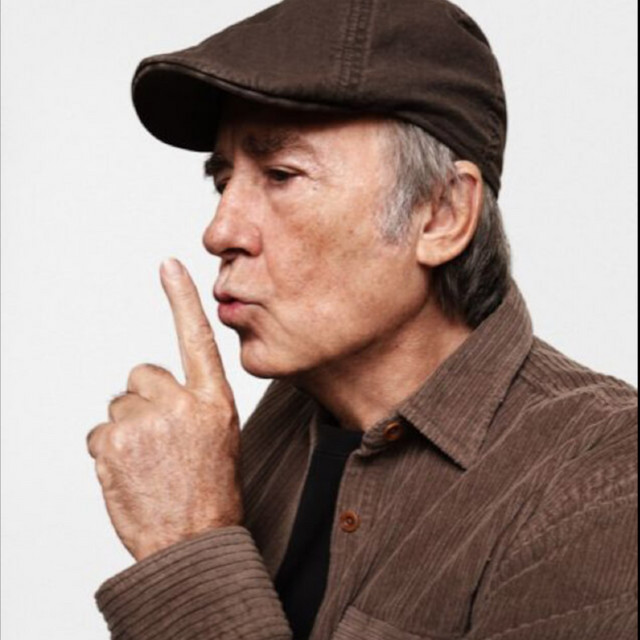
María Salgado
1998
·
1 album
Listen
1
/5
Genres
Nueva Trova
Nueva trova is a Cuban singer‑songwriter movement that emerged in the late 1960s, blending the poetic intimacy of the island’s older trova tradition with socially conscious, often revolutionary, lyrics. It is typically guitar‑led and intimate, but can expand to small ensembles with subtle jazz‑inflected harmonies, echoing the filin (feeling) style and the romanticism of bolero while drawing rhythmic color from Cuban son and guajira. While aesthetically close to the broader Latin American nueva canción, nueva trova is distinctly Cuban in its idiom, metaphorical language, and engagement with post‑1959 cultural life.
Discover
Listen
Fado
Fado is an urban Portuguese song tradition centered on the feeling of saudade—an untranslatable mix of longing, nostalgia, and bittersweet melancholy. It emerged in 19th‑century Lisbon’s working-class neighborhoods and port districts and later developed a distinct academic strain in Coimbra. Typically performed by a solo singer (fadista) with accompaniment from the 12‑string guitarra portuguesa (Portuguese guitar) and a 6‑string viola (classical/steel‑string guitar), fado favors minor keys, expressive rubato, and ornate melodic embellishment. Its poetry (often in quatrains) contemplates love, fate, the sea, and everyday hardship. Two principal styles dominate: Fado de Lisboa, intimate and dramatic, and Fado de Coimbra, associated with student serenades and a more classical, restrained delivery. Recognized by UNESCO in 2011 as Intangible Cultural Heritage, fado remains a living tradition continually renewed by contemporary interpreters.
Discover
Listen
Folclore Castilla Y Leon
Folclore de Castilla y León refers to the traditional music and dance practices of Spain’s north‑central autonomous community of Castilla y León. It encompasses a rich repertoire of songs (romances, mayos, villancicos), dance forms (notably the jota castellana, charrada, corrido maragato, and rondas), and instrumental traditions centered on rustic reed, bagpipe, and string timbres. Core instruments include the dulzaina (a piercing double‑reed shawm) with tamboril, various gaitas (especially the gaita charra in Salamanca and Zamora), the rabel (bowed folk fiddle), zanfona or hurdy‑gurdy, guitar, bandurria/laúd, frame drums, and panderetas. Rhythmic profiles move between ternary (3/4 or 6/8) and lively duple meters, often featuring hemiolas and hand‑clap patterns that drive circle and couple dances. Stylistically, the song language is Castilian, with texts drawing from rural life, courtship, work and ritual cycles, and historical balladry. The modern revival (20th century onward) preserved archival repertories while adapting them for stage ensembles and contemporary audiences.
Discover
Listen
Albums
1998
Siete Modos de Guisar Las Berenjenas
María Salgado
Folclore Castilla Y Leon
Similar artists
1
/5
Olga Cerpa y Mestisay
Bolero
Fado
Nueva Trova
4
/5
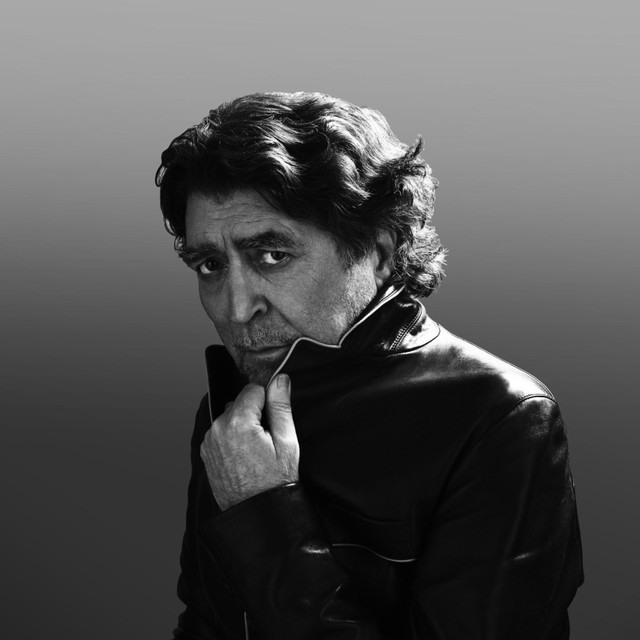
Joaquín Sabina
Nueva Trova
Trova
Pop
4
/5
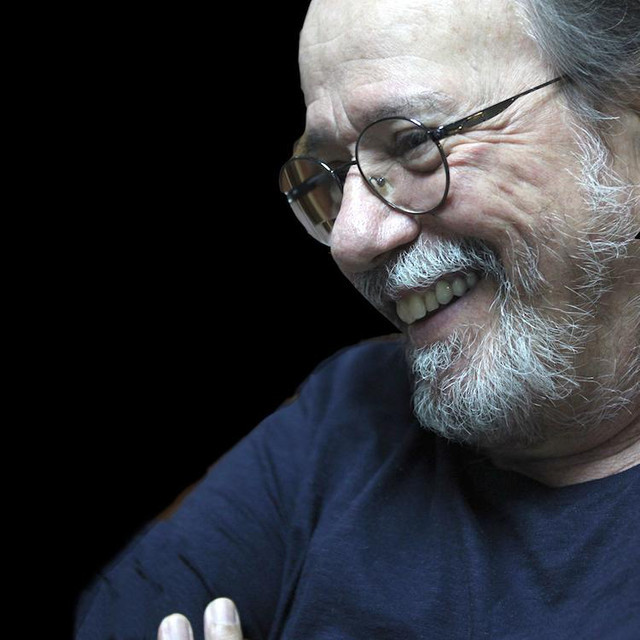
Silvio Rodríguez
Nueva Trova
Trova
Latin
4
/5
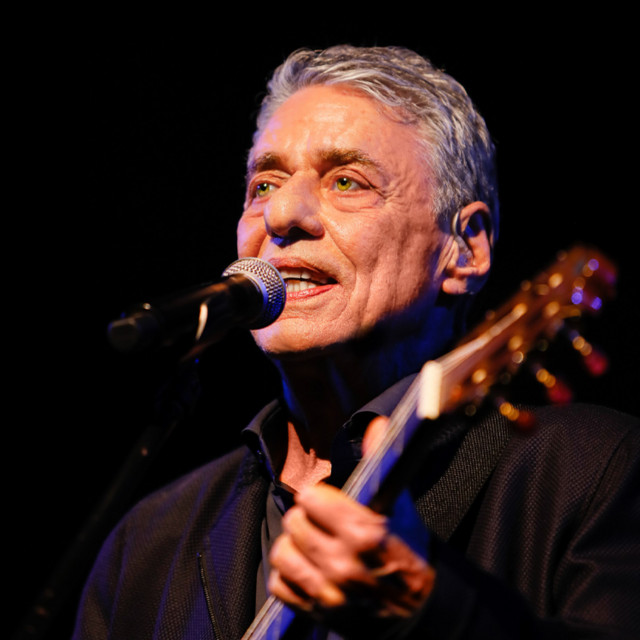
Chico Buarque
Mpb
Tropicália
Latin
4
/5
Jorge Drexler
Nueva Canción
Candombe
Nueva Trova
4
/5
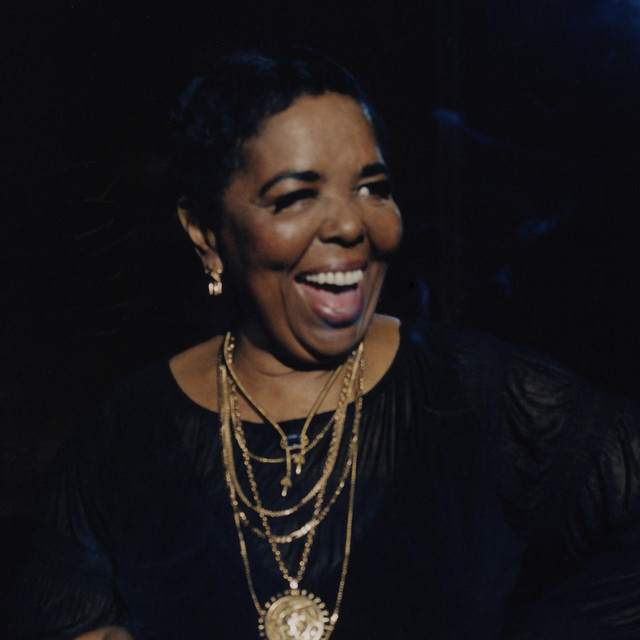
Cesária Evora
Morna
Twoubadou
Cape Verdean Music
4
/5
Joan Manuel Serrat
Nueva Canción Española
Nova Cançó
Nueva Canción
4
/5
Mercedes Sosa
Nuevo Cancionero
Nueva Canción
Argentine Music
3
/5
Los Jaivas
Rock Andino
Nueva Trova
Progressive Folk
3
/5
Francisco Céspedes
Nueva Trova
Trova
Bolero
Download our mobile app
Get the Melodigging app and start digging for new genres on the go
Download on the App Store
Get it on Google Play
© 2026 Melodigging
Give feedback
Legal
Melodding was created as a tribute to
Every Noise at Once
, which inspired us to help curious minds keep digging into music's ever-evolving genres.