Genres
Artists
Albums
Make Music
Sign in
Sign in
Artists
Nova Cançó
Artists
Nova Cançó
Maria del Mar Bonet
1970–2010
·
11 albums
Listen
2
/5
Genres
Valencian Folk Music
Valencian folk music refers to the traditional vocal and dance music of the Valencian Country (eastern Spain), encompassing street-processional repertoires for dolçaina (shawm) and tabal (tabor), village rondalla string ensembles, and ornate solo song forms such as cant d'estil and albaes. It features lively dance genres (jota, dansà, fandango variants), solemn processional pieces linked to guilds, human-tower rites (muixeranga), and festive cycles (Falles, street dances). Melodically it is often modal (Dorian, Mixolydian, Phrygian inflections), rhythmically driven by duple-step dances and brisk triple-time jotas, and textually rooted in the Valencian language, with themes ranging from love and satire to historical memory. While its roots are medieval and early modern, the repertoire was systematized and brought to recordings during the 1970s folk revival, which fused archival research and field collecting with contemporary arrangements.
Discover
Listen
Nova Cançó
Nova cançó is a Catalan-language singer‑songwriter movement that emerged in the early 1960s as a cultural and political expression under Francoist Spain. Artists used intimate, text‑forward songs to defend the Catalan language and identity while addressing social justice, freedom, and everyday life. Musically, nova cançó draws on French chanson’s literary focus and the folk revival’s acoustic simplicity: clear vocals, nylon‑string guitar or piano, sparse accompaniment, and memorable, strophic melodies. The lyrics are poetic and metaphor‑rich—often deploying allegory to evade censorship—yet they remain direct enough to function as anthems for collective solidarity.
Discover
Listen
Singer-Songwriter
Singer-songwriter is a song-focused style in which the same person writes, composes, and performs their own material, often accompanying themselves on acoustic guitar or piano. It emphasizes personal voice, lyrical intimacy, and storytelling over elaborate production. Arrangements are typically sparse, allowing the melody, words, and performance nuance to carry the song’s emotional weight. While rooted in folk and blues traditions, singer-songwriter embraces pop and rock songcraft, producing works that can range from quiet confessional ballads to subtly orchestrated, radio-ready pieces.
Discover
Listen
Catalan Folk Music
Catalan folk music encompasses the traditional songs, dances, and instrumental practices of Catalonia and the wider Catalan-speaking world. It is best known for the sardana circle dance accompanied by the distinctive cobla wind ensemble, as well as seafaring havaneres sung along the coast. The idiom blends medieval and rural song traditions with 19th‑century codification and urban revival. It features modal, diatonic melodies; lively dance rhythms; and a strong social dimension in communal dancing, festivals, and choral singing. Characteristic instruments include the tenora and tible (Catalan shawms), flabiol i tamborí (pipe and tabor), gralla, sac de gemecs (bagpipe), accordion, guitar, and the full cobla instrumentation with brass and double bass. Across regions and repertoires—from sardanes and jotes ebrencs to work songs, goigs, caramelles, and tavern-style havaneres—Catalan folk music remains a living, participatory tradition closely tied to local identity and public celebration.
Discover
Listen
Iberian Music
Iberian music is an umbrella term for the intertwined musical traditions of Spain and Portugal, shaped over centuries by Mediterranean, North African, and European currents. It spans sacred chant and courtly song, rural dance traditions, fado and flamenco, art music inspired by folk idioms, and contemporary fusions. At its core are distinctive rhythmic cycles (such as flamenco compás), modal colors (notably the Phrygian cadence and Hijaz-like inflections), and poetic themes ranging from duende’s raw intensity to fado’s saudade. Guitars (Spanish and Portuguese), clapping (palmas), cajón, castanets, and regional instruments (gaita galega, bandurria, Portuguese guitarra) are central timbral markers. As a cultural matrix rather than a single style, Iberian music both preserves local identities—Andalusian, Galician, Catalan, Alentejano—and continually reinvents itself in dialogue with classical composition, jazz, rock, and electronic music.
Discover
Listen
Albums
2010
1
/5
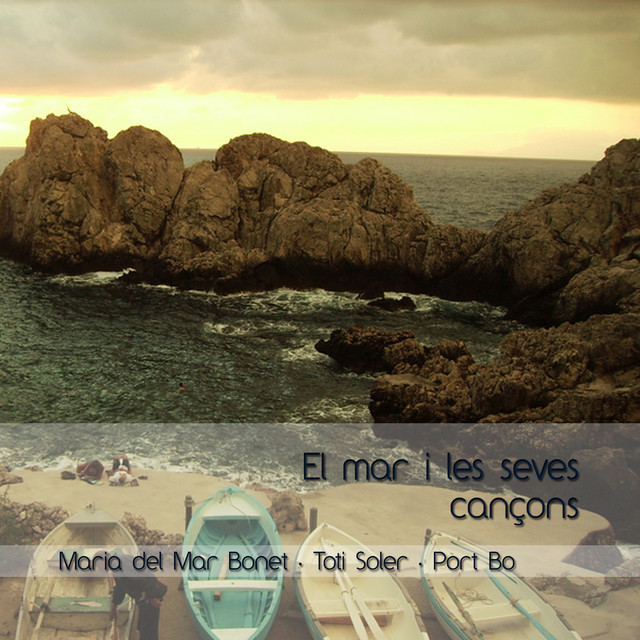
El Mar I Les Seves Cançons
Maria del Mar Bonet
Nova Cançó
2005
1
/5
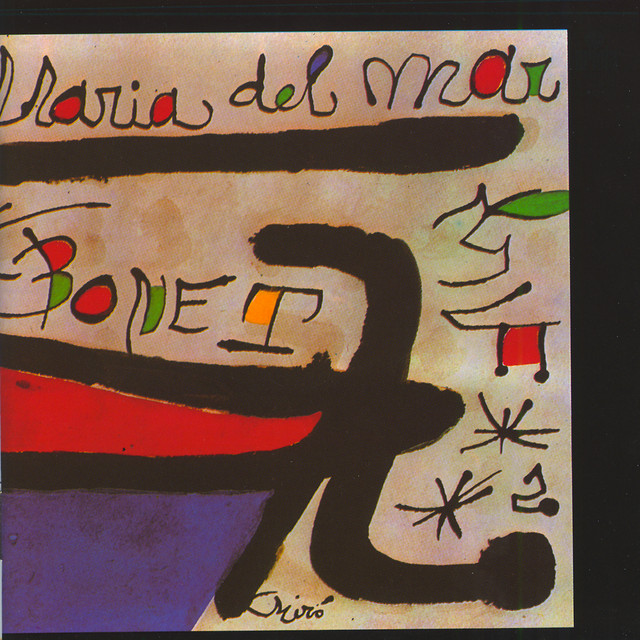
Maria del Mar Bonet
Maria del Mar Bonet
Nova Cançó
1985
1
/5
Anells d'aigua
Maria del Mar Bonet
Nova Cançó
1982
1
/5
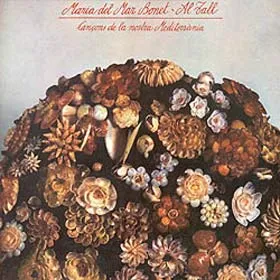
Cançons de la nostra Mediterrània
Maria del Mar Bonet & Al Tall
Valencian Folk Music
Catalan Folk Music
1979
1
/5
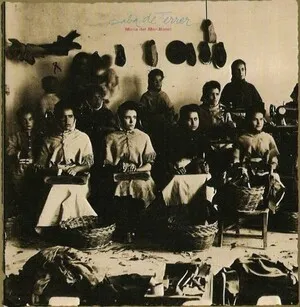
Saba de terrer
Maria del Mar Bonet
Catalan Folk Music
1977
2
/5
Alenar
Maria del Mar Bonet
Nova Cançó
Iberian Music
1971
2
/5
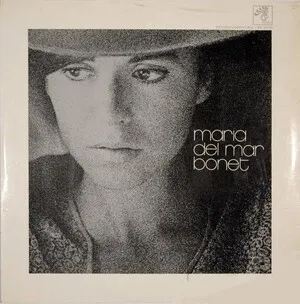
Maria del Mar Bonet
Maria del Mar Bonet
Nova Cançó
1970
1
/5
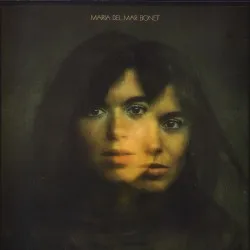
Maria del Mar Bonet
Maria del Mar Bonet
Nova Cançó
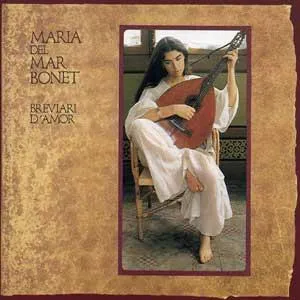
Breviari d'amor
Maria del Mar Bonet
Catalan Folk Music
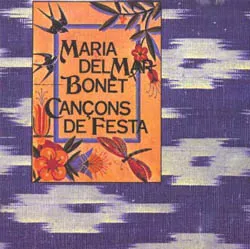
Cançons de festa
Maria del Mar Bonet
Catalan Folk Music
Cançons de festa
Maria del Mar Bonet
Nova Cançó
Similar artists
4
/5
Joan Manuel Serrat
Nueva Canción Española
Nova Cançó
Nueva Trova
1
/5
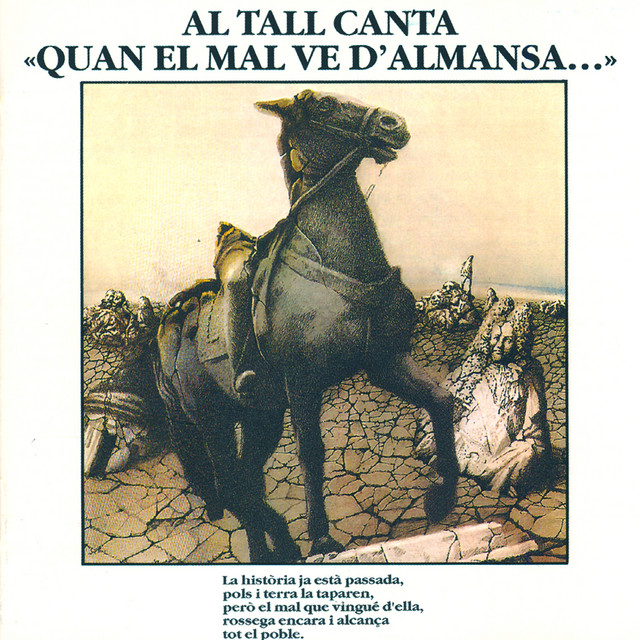
Al Tall
Nova Cançó
Catalan Folk Music
Folk
2
/5
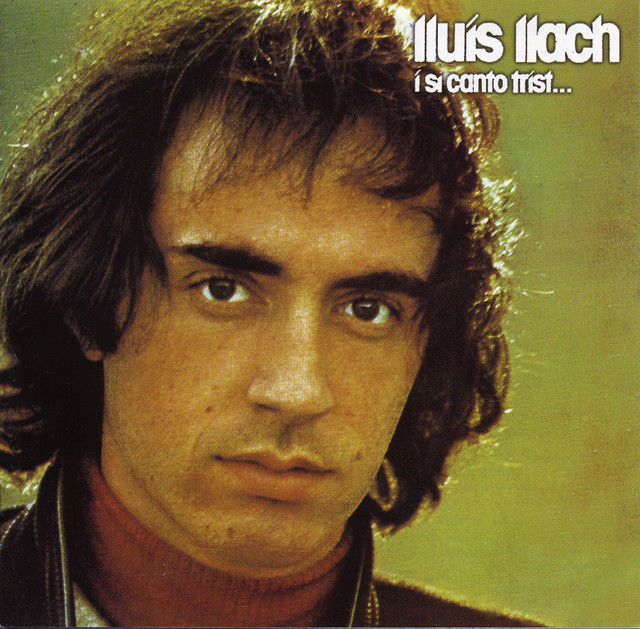
Lluis Llach
Nova Cançó
Singer-Songwriter
2
/5
Marina Rossell
Nova Cançó
Habanera
Singer-Songwriter
2
/5
Ovidi Montllor
Nova Cançó
Singer-Songwriter
Traditional Music
2
/5
Raimon
Nova Cançó
Singer-Songwriter
2
/5
Sisa
Nova Cançó
Singer-Songwriter
1
/5
L'Ham De Foc
Folk
Catalan Folk Music
Spanish Folk Music
1
/5
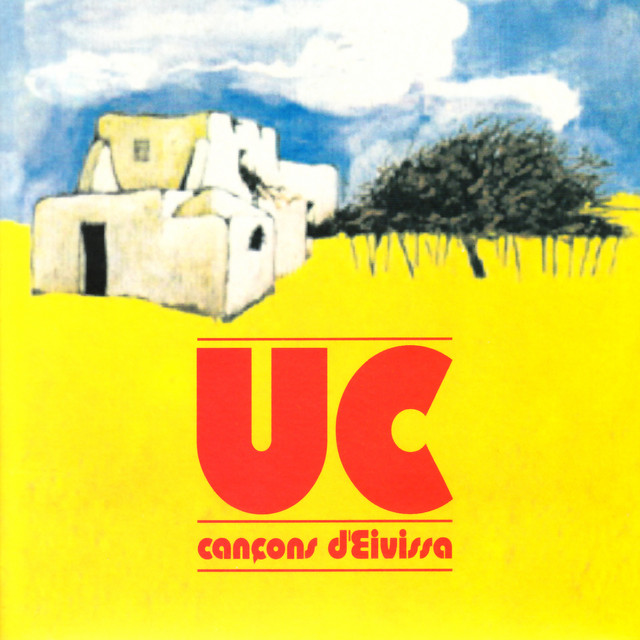
UC
Catalan Folk Music
Traditional Music
Nova Cançó
3
/5
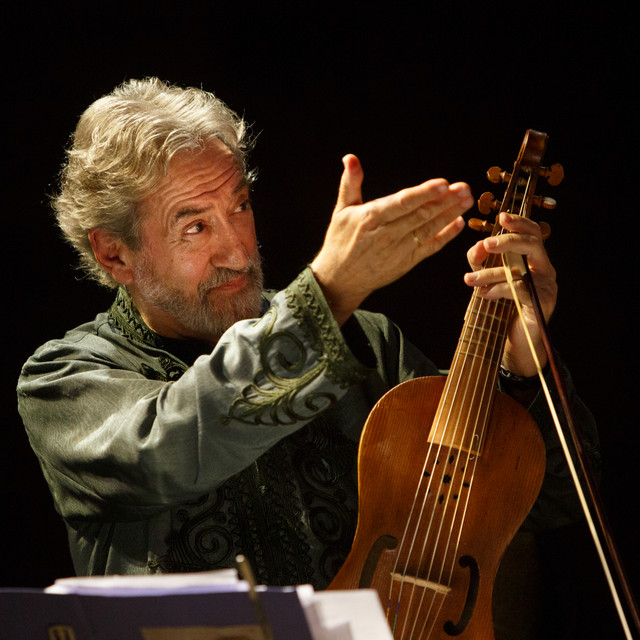
Jordi Savall
Renaissance
Baroque
Classical
Download our mobile app
Get the Melodigging app and start digging for new genres on the go
Download on the App Store
Get it on Google Play
© 2026 Melodigging
Give feedback
Legal
Melodding was created as a tribute to
Every Noise at Once
, which inspired us to help curious minds keep digging into music's ever-evolving genres.