Genres
Artists
Albums
Make Music
Sign in
Sign in
Artists
Fado
Artists
Fado
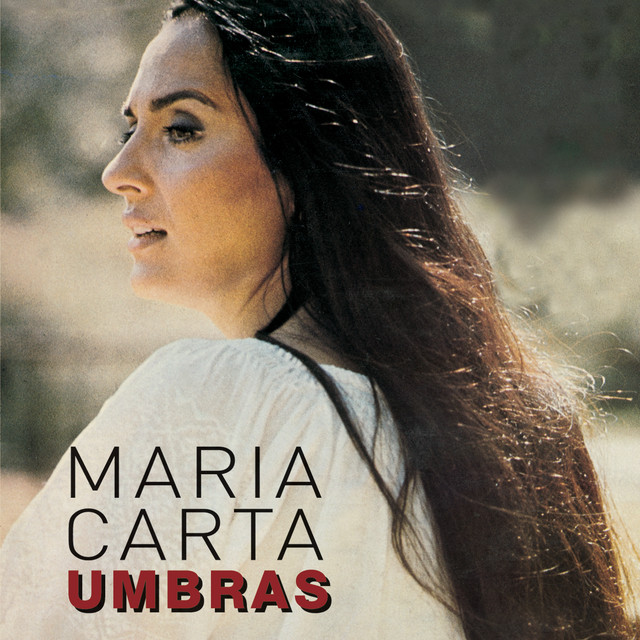
Maria Carta
2008
·
1 album
Listen
1
/5
Genres
Fado
Fado is an urban Portuguese song tradition centered on the feeling of saudade—an untranslatable mix of longing, nostalgia, and bittersweet melancholy. It emerged in 19th‑century Lisbon’s working-class neighborhoods and port districts and later developed a distinct academic strain in Coimbra. Typically performed by a solo singer (fadista) with accompaniment from the 12‑string guitarra portuguesa (Portuguese guitar) and a 6‑string viola (classical/steel‑string guitar), fado favors minor keys, expressive rubato, and ornate melodic embellishment. Its poetry (often in quatrains) contemplates love, fate, the sea, and everyday hardship. Two principal styles dominate: Fado de Lisboa, intimate and dramatic, and Fado de Coimbra, associated with student serenades and a more classical, restrained delivery. Recognized by UNESCO in 2011 as Intangible Cultural Heritage, fado remains a living tradition continually renewed by contemporary interpreters.
Discover
Listen
Catalan Folk Music
Catalan folk music encompasses the traditional songs, dances, and instrumental practices of Catalonia and the wider Catalan-speaking world. It is best known for the sardana circle dance accompanied by the distinctive cobla wind ensemble, as well as seafaring havaneres sung along the coast. The idiom blends medieval and rural song traditions with 19th‑century codification and urban revival. It features modal, diatonic melodies; lively dance rhythms; and a strong social dimension in communal dancing, festivals, and choral singing. Characteristic instruments include the tenora and tible (Catalan shawms), flabiol i tamborí (pipe and tabor), gralla, sac de gemecs (bagpipe), accordion, guitar, and the full cobla instrumentation with brass and double bass. Across regions and repertoires—from sardanes and jotes ebrencs to work songs, goigs, caramelles, and tavern-style havaneres—Catalan folk music remains a living, participatory tradition closely tied to local identity and public celebration.
Discover
Listen
Sardinian Folk Music
Sardinian folk music is the traditional music of Sardinia (Italy), characterized by striking vocal polyphony, ancient reed-pipe instruments, and a living dance repertory. Its best-known vocal form is cantu a tenore, a four-part, overtone-rich male polyphony featuring the parts bassu, contra, mesu 'oche, and 'oche (solo), now recognized by UNESCO as Intangible Cultural Heritage. Equally prominent are devotional and paraliturgical songs (gosos/cuncordu), improvised poetic forms (mutetu), lament songs (attitu), and the guitar-accompanied cantu a chitarra/chiterra. Instrumentally, Sardinia is famed for the launeddas, an ancient triple-pipe cane instrument played with circular breathing, as well as the organetto (diatonic accordion) that drives social dances like ballu tundu, passu torrau, and su dillu. Melodies favor modal inflections (often Dorian, Aeolian, and Mixolydian), sustained drones, and heterophonic textures, while lyrics are predominantly in Sardinian varieties (Logudorese, Campidanese), Gallurese, Algherese Catalan, and Italian.
Discover
Listen
Albums
2008
2
/5
Umbras
Maria Carta
Sardinian Folk Music
Catalan Folk Music
Similar artists
4
/5
Chico Buarque
Mpb
Tropicália
Latin
4
/5
Cesária Evora
Morna
Twoubadou
Cape Verdean Music
3
/5
Carminho
Fado
Mpb
Samba
3
/5
Nuno Ribeiro
Fado
Kizomba
Musica Portuguesa Contemporanea
3
/5
Bonga
Semba
Morna
Fado
3
/5
Pedro Abrunhosa
Fado
Musica Portuguesa Contemporanea
3
/5
Mayra Andrade
Morna
Cape Verdean Music
Brazilian Trap
3
/5
Mariza
Fado
Portuguese Folk Music
World
3
/5
Rui Veloso
Fado
Musica Portuguesa Contemporanea
3
/5
DJ Neeh
Fado
Funk Brasileiro
Funk De Bh
Download our mobile app
Get the Melodigging app and start digging for new genres on the go
Download on the App Store
Get it on Google Play
© 2026 Melodigging
Give feedback
Legal
Melodding was created as a tribute to
Every Noise at Once
, which inspired us to help curious minds keep digging into music's ever-evolving genres.