Genres
Artists
Albums
Make Music
Sign in
Sign in
Artists
Dark Techno
Artists
Dark Techno
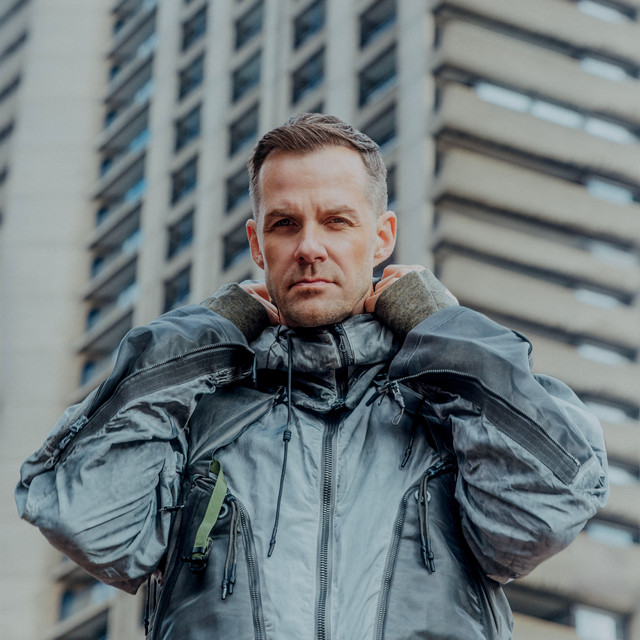
Marco Faraone
Listen
2
/5
Genres
Peak Time Techno
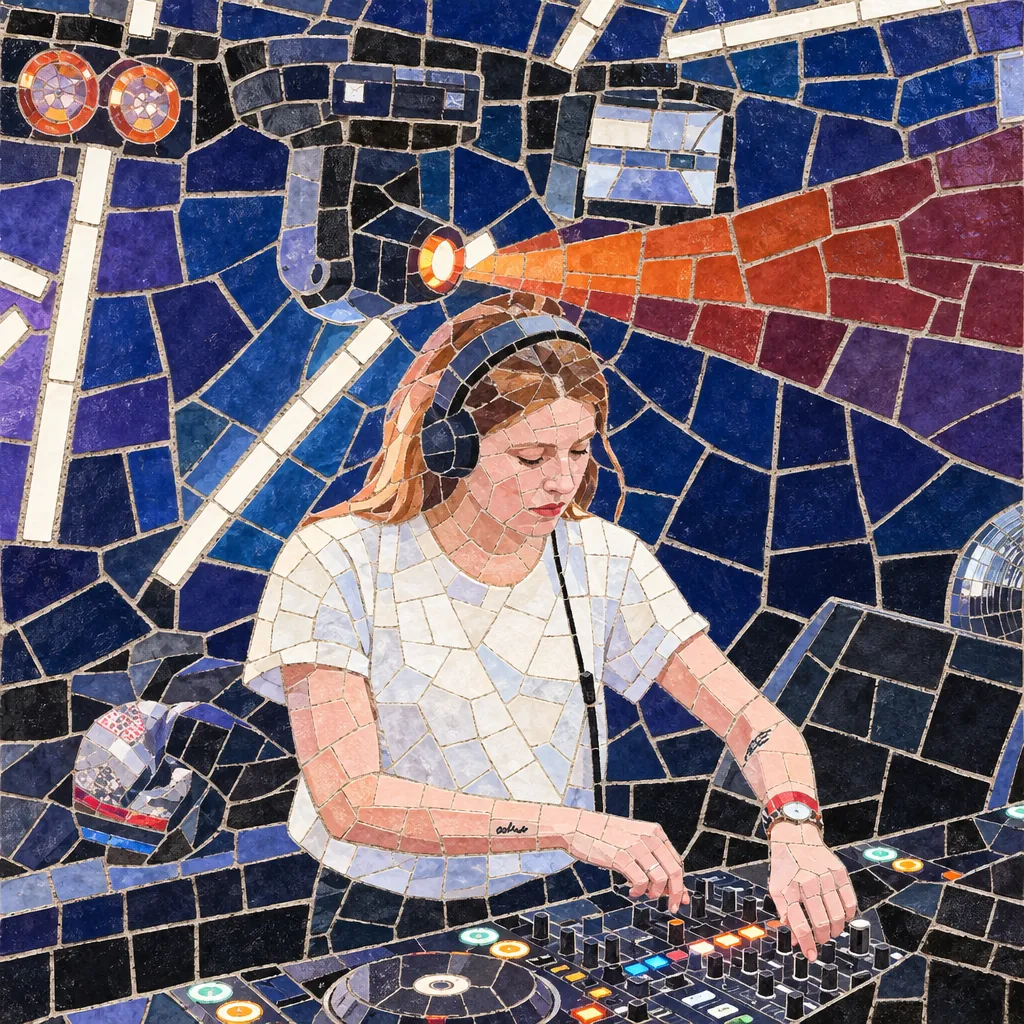
Peak time techno is a high-impact, festival-ready strain of techno crafted for the most energetic moments of a set. It emphasizes driving, rolling grooves; big-room dynamics; and tension-and-release structures designed to move large dance floors. Typically running around 128–135 BPM in 4/4, it features saturated, punchy kicks, rumbling low-end bass, insistent off-beat hats, rides, and dramatic risers and impacts. Musical content is often minimal and functional, with short motifs, stabs, and builds that funnel into cathartic drops rather than elaborate melodies. The sound and mix are optimized for large PA systems: wide stereo effects above the mids, a mono-focused sub, and arrangements with extended intros/outros for seamless DJ layering.
Discover
Listen
Deep Deep House
Deep deep house is a late-evolution branch of deep house that emphasizes warmth, space, and subtlety over overt hooks or peak-time energy. Compared with classic deep house, it leans even more toward minimal, dub-inflected textures, extended harmonies, and long atmospheric tails. Tracks typically feature understated yet weighty low end, soft Rhodes or pad chords rich in 7ths/9ths, lightly swung percussion, and carefully sculpted ambience. The mood is intimate and immersive—club music that invites close listening as much as dancing—often suited to small rooms, lounges, after-hours sets, and sunset/sunrise moments.
Discover
Listen
Artcore
Artcore is a subgenre of hardcore techno that fuses high-BPM club energy with the orchestral colors and dramatic writing of cinematic classical music. Producers combine pounding four-on-the-floor kicks, breakbeats, and modern EDM sound design with strings, piano, choirs, and sweeping harmonic progressions. The result is a maximalist, emotive style: towering builds, through-composed sections, key changes, and leitmotifs are common, while supersaw leads, reese basses, and intricate percussion keep the dancefloor intensity. The sound took shape in Japan’s doujin and rhythm-game circles, but it has since spread globally among electronic musicians who favor epic, narrative arrangements.
Discover
Listen
Deep Euro House
Deep Euro House is a European-bred, melodically rich branch of deep house that blends club-ready four‑on‑the‑floor grooves with warm, emotive sound design and pop-aware songcraft. It favors lush pads, silky basslines, soft piano or guitar stabs, and subtly processed vocals, often in minor keys with bittersweet chord changes. Compared with classic Chicago deep house, Deep Euro House leans more cinematic and refined: filtered synth swells, sidechained textures, airy reverbs, and clean, modern low end. Tempos typically sit around 118–124 BPM, with grooves that feel unhurried yet propulsive—equally at home on late-night dancefloors and in headphone listening. The "Euro" aspect reflects not only its geography (Germany, Switzerland, France, the Netherlands, Austria, Belgium) but also a melodic sensibility shaped by European club culture, indie electronica, and Balearic moods: wistful, romantic, and polished without losing house’s foundational swing.
Discover
Listen
Deep Funk Ostentacao
Deep funk ostentação is a moody, late‑night variant of São Paulo’s funk ostentação, emphasizing deeper sub‑bass, sparse percussion, and atmospheric pads while retaining the genre’s themes of luxury, status, and upward mobility. Compared with the brighter, EDM‑leaning hits of ostentação in the early 2010s, the “deep” approach strips arrangements down to hypnotic tamborzão grooves, 808 low‑end, and minimal, minor‑key synth motifs. Vocals often sit closer to the beat, with autotune and chant‑like hooks, but the lyrical focus remains on conspicuous consumption (cars, brands, nightlife) filtered through a more introspective, nocturnal aesthetic.
Discover
Listen
Deep Groove House
Deep Groove House is a modern house substyle centered on thick, rolling basslines, swung percussion, and soulful or disco-leaning motifs delivered with contemporary club production. It balances the warmth and musicality of classic and deep house with the punch and arrangement sensibilities of present-day tech-leaning club music. Hallmarks include a steady 4/4 kick (typically 122–126 BPM), syncopated bass grooves that drive the track rather than sit under it, crisp hi-hats with subtle swing, and tasteful use of organ stabs, piano chords, and filtered disco/funk samples. Vocals—when present—tend to be hooky but restrained, often chopped or looped to reinforce the groove rather than dominate it. As a playlist and DJ vernacular label, Deep Groove House crystallized around the 2010s, especially in UK- and EU-facing club culture, online stores, and label ecosystems that favored groove-first, dancefloor-ready house with deep and classic roots.
Discover
Listen
Deep Tech
Deep tech (often shorthand for deep tech house) is a stripped‑back, groove‑led branch of house/tech house that emphasizes hypnotic repetition, swing, and sound design over big hooks. Typical tracks sit around 124–128 BPM, use tight, shuffling drum programming, and rely on deep sub‑bass, crisp hi‑hats, and minimal, percussive motifs. Harmony tends to be sparse—dubby chords, single‑note stabs, or short pads—leaving space for long DJ‑friendly arrangements. Vocals, if present, are usually snippets or whispered phrases processed with delay and reverb to blend into the texture rather than sit on top. The result is functional and heady: music optimized for long, seamless mixes, late‑night dancefloors, and a rolling, understated energy rather than explosive drops.
Discover
Listen
Modular Techno
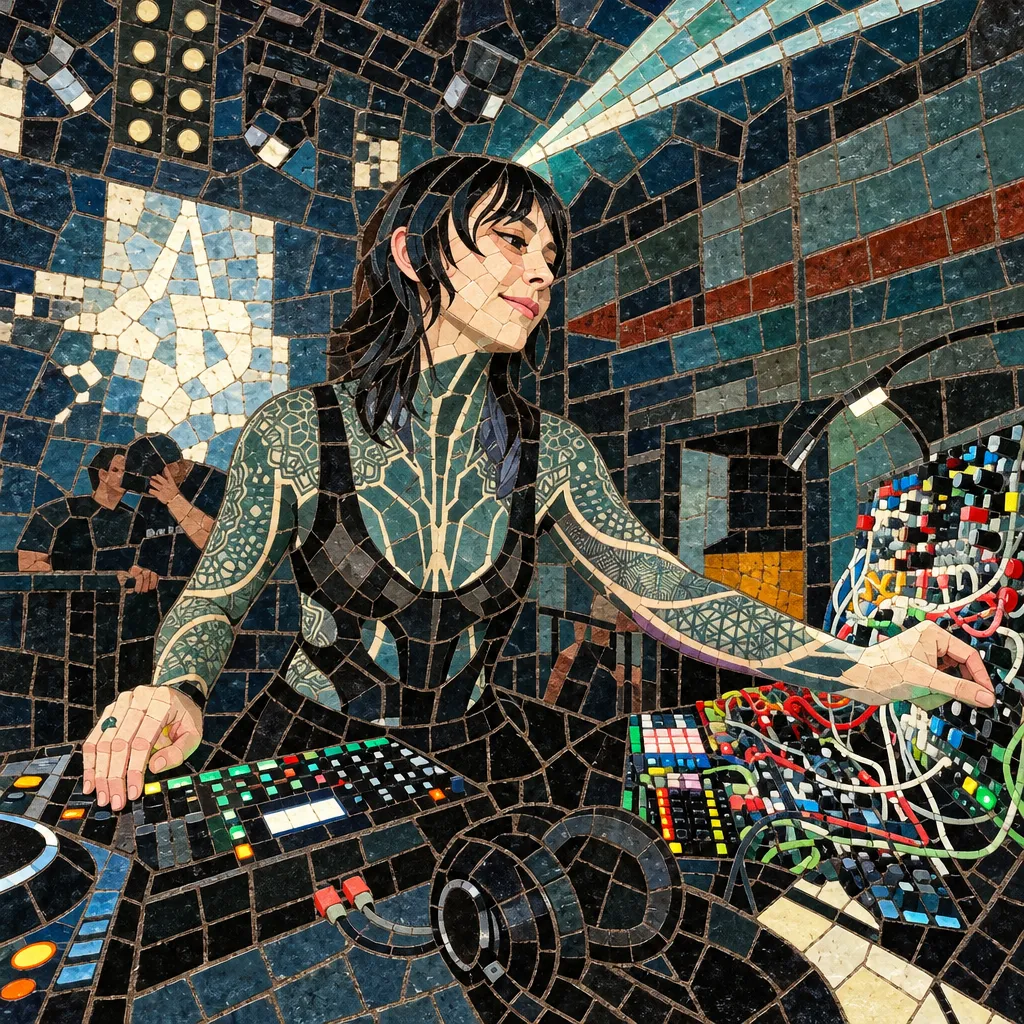
Modular techno is a branch of techno centered on composing and performing primarily with modular synthesizers (most commonly Eurorack). Rather than arranging in a DAW, artists patch oscillators, filters, sequencers, clock dividers and utility modules into evolving signal chains, then sculpt rhythm and timbre in real time. The approach privileges improvisation, polyrhythms, and continuously shifting textures over fixed song structures. Early, visible champions included UK/Wales-based artist Steevio—who explicitly framed his 2012 release as "Modular Techno" and recorded it live in single takes—followed by a broader wave of adopters in the mid‑to‑late 2010s as modular systems spread across European techno scenes.
Discover
Listen
Dark Techno
Dark techno is a techno sub-style defined less by a single production template and more by an aesthetic: high-intensity, club-focused electronic music built around a heavy, driving pulse and a distinctly ominous or industrial atmosphere. Compared with more “functional” or minimal techno, dark techno typically emphasizes weight (thick kick drums, dense low end), tension (dissonant stabs, minor-key or atonal motifs), and a sense of menace created through sound design (distortion, metallic timbres, noise, and reverb-heavy spaces). Tempo most often sits in the higher end of standard techno, and arrangements tend to use long, DJ-friendly structures where energy is managed through gradual layering, filter movement, and controlled breakdowns rather than pop-style verse/chorus forms.
Discover
Listen
Tech House
Tech house is a dancefloor-focused fusion of techno’s precision and house music’s groove. It emphasizes stripped‑back, percussive rhythms, rolling basslines, and clean, punchy drums, typically in the 120–130 BPM range. Compared to straight techno, tech house is funkier and more shuffle-oriented; compared to classic or deep house, it is darker, more minimal, and more machine-driven. Tracks often feature long DJ‑friendly intros/outros, subtle automation, sparse vocals or chopped one‑shots, and a strong emphasis on groove continuity over big melodic moments. Sound design favors tight 909/808-style drums, crisp open hats, snappy claps, subby or mid‑bass riffs, and understated stabs or chords. Modern tech house has broadened from its 1990s underground UK roots to global festival and club contexts, retaining its core identity of percussive drive and streamlined arrangements.
Discover
Listen
Techno
Techno is a four-on-the-floor, machine-driven form of electronic dance music that emerged in mid-to-late 1980s Detroit. It is characterized by steady 4/4 kick drums, repetitive and hypnotic rhythmic patterns, synthetic timbres, and an emphasis on texture, groove, and forward momentum over elaborate harmony. Producers typically use drum machines, sequencers, and synthesizers to build layered percussion, pulsing basslines, and evolving motifs. While often dark and minimalistic, techno spans a wide spectrum—from soulful, futuristic Detroit aesthetics to hard, industrially tinged European strains—yet it consistently prioritizes kinetic energy for dancefloors and a sense of machine futurism.
Discover
Listen
Show all 11 genres
Similar artists
3
/5
Adam Beyer
Schranz
Dark Techno
Peak Time Techno
3
/5
UMEK
Acid Techno
Dark Techno
Hard Techno
1
/5
Various Artists
Soundtrack
Afro-Funk
Alternative Rock
3
/5
Layton Giordani
Dark Techno
Acid Techno
Melodic Techno
3
/5
Teenage Mutants
Dark Techno
Acid Techno
Techno
2
/5
Hidden Empire
Dark Techno
Melodic House
Melodic Techno
4
/5
Alan Fitzpatrick
Deep Minimal Techno
Techno
Peak Time Techno
3
/5
T78
Dark Techno
Peak Time Techno
Acid Techno
2
/5
Jay Lumen
Techno
Electronic
Peak Time Techno
2
/5
Mario Ochoa
Peak Time Techno
Minimal Techno
Tech House
Download our mobile app
Get the Melodigging app and start digging for new genres on the go
Download on the App Store
Get it on Google Play
© 2026 Melodigging
Give feedback
Legal
Melodding was created as a tribute to
Every Noise at Once
, which inspired us to help curious minds keep digging into music's ever-evolving genres.