Genres
Artists
Albums
Make Music
Sign in
Sign in
Artists
Bolero
Artists
Bolero
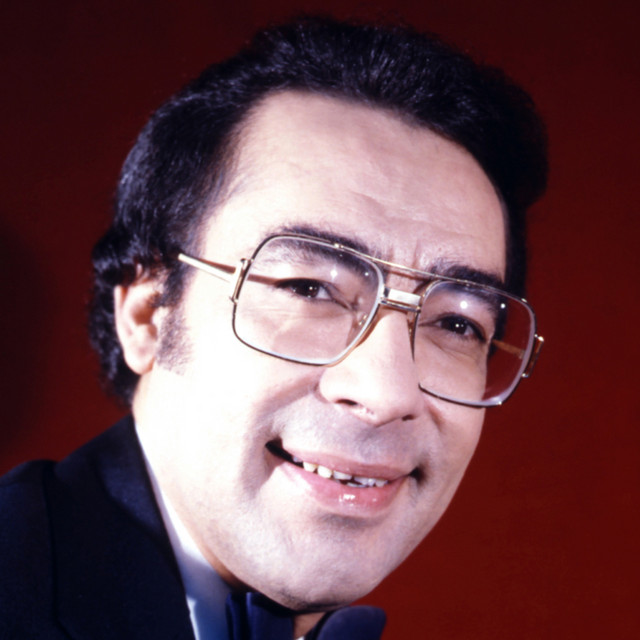
Manolo Muñoz
Listen
3
/5
Genres
Mexican Rock
Mexican rock is the umbrella term for rock music created in Mexico, blending Anglo-American rock idioms with local rhythms, instruments, and Spanish-language lyricism. It typically features electric guitars, bass, and drum set, but often integrates instruments such as trumpets, accordion, or folkloric percussion to evoke mariachi, ranchera, cumbia, and other regional styles. Lyrically, it ranges from street-level social commentary and political critique to playful wordplay and romantic storytelling, frequently using Mexican slang and cultural references. Stylistically it spans early rock and roll covers, garage and surf, psychedelic and hard rock, punk and urbano, and the 1990s alternative wave that helped define the broader movement of rock en español and Latin alternative.
Discover
Listen
Rock And Roll
Rock and roll is a high-energy, dance-oriented popular music style that emerged in the United States in the early-to-mid 1950s. It fuses the 12‑bar blues and boogie‑woogie with the backbeat and instrumentation of rhythm & blues, the twang and storytelling of country, and the fervor of gospel. Its hallmark sound centers on a strong backbeat (accented on beats 2 and 4), driving rhythm sections, electric guitar riffs, prominent piano or saxophone leads, and catchy, chorus-forward songwriting. Typical harmonies revolve around I–IV–V progressions, often in 12-bar form, with swung or shuffle feels and punchy turnarounds. Culturally, rock and roll catalyzed a youth movement linked to dancing, teen identity, and social change. It bridged racial audiences by popularizing Black American musical traditions for mainstream listeners, and it laid the foundation for subsequent rock styles and much of modern pop.
Discover
Listen
Rock
Rock is a broad family of popular music centered on amplified instruments, a strong backbeat, and song forms that foreground riffs, choruses, and anthemic hooks. Emerging from mid‑20th‑century American styles like rhythm & blues, country, and gospel-inflected rock and roll, rock quickly expanded in scope—absorbing folk, blues, and psychedelic ideas—while shaping global youth culture. Core sonic markers include electric guitar (often overdriven), electric bass, drum kit emphasizing beats 2 and 4, and emotive lead vocals. Rock songs commonly use verse–chorus structures, blues-derived harmony, and memorable melodic motifs, ranging from intimate ballads to high‑energy, stadium‑sized performances.
Discover
Listen
Ranchera
Ranchera (canción ranchera) is a traditional Mexican song genre characterized by passionate, emotive vocals; memorable, singable melodies; and direct, heartfelt lyrics about love, heartbreak, drinking, patriotism, rural life, and personal honor. Although its roots reach back to rural song traditions of the late 18th and early 19th centuries, ranchera consolidated as a national popular style before the Mexican Revolution and was later projected across Latin America through the Golden Age of Mexican cinema. The genre is commonly performed with mariachi (violins, trumpets, vihuela, guitarra, guitarrón), but it can also appear with norteño, banda, or solo voice-and-guitar arrangements. Musically, rancheras often use simple strophic or verse–chorus forms, tonal harmonies (I–IV–V with occasional secondary dominants or modulations), and meters in 3/4 (vals ranchero) or 2/4 and 4/4 (ranchera alegre or ranchera lenta). Vocal delivery features expressive rubato, dramatic dynamic arcs, and the iconic grito (a shouted cry) between phrases.
Discover
Listen
Bolero
Bolero is both a Spanish dance-music form from the late 18th century and, later, a Cuban song style from the late 19th century. The Spanish bolero emerged as a moderately slow solo or partner dance in 3/4 time, shaped by Andalusian song-dance traditions. It typically features guitar accompaniment and castanets, and its sung texts often follow the seguidilla stanza pattern. In Cuba, bolero evolved into a romantic ballad—most often in 2/4 (later also felt in 4/4)—performed by singers, trios, and salon ensembles. Cuban bolero emphasizes intimate, lyrical melodies, guitar-led accompaniment (often with requinto), and gentle Afro-Caribbean rhythmic undercurrents (habanera feel, soft bongo, claves), becoming one of Latin America’s quintessential love-song forms.
Discover
Listen
Mariachi
Mariachi is a traditional Mexican ensemble and performance practice that crystallized in western Mexico (especially Jalisco, Colima, Nayarit, and Michoacán) and later became a national and international emblem of Mexican music. Modern mariachi bands typically feature multiple violins, two trumpets, and a rhythm section anchored by the high‑pitched, five‑string vihuela and the deep, fretless guitarrón, often alongside a standard guitar and, in some historic or regional variants, the Mexican harp. The sound balances bright, projecting trumpets and soaring violins over rich strummed textures and a powerful, melodic bass line. Repertoire spans regional sones (including son jalisciense), huapangos, rancheras, corridos, boleros, waltzes, and polkas. Vocal delivery is central: most players sing in stacked harmonies, trade lead verses, and punctuate performances with expressive gritos (exclamations). Costuming (charro suits) and stylized stagecraft are integral to the genre’s identity.
Discover
Listen
Similar artists
5
/5
Luis Miguel
Bolero
Latin Pop
Mariachi
5
/5
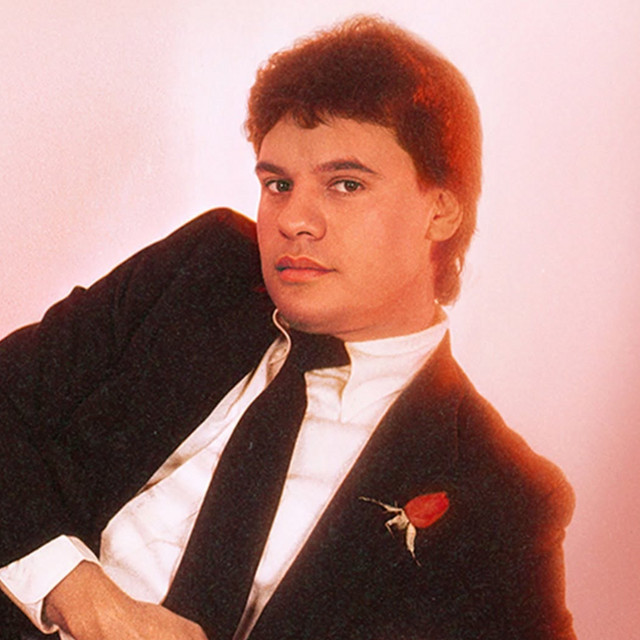
Juan Gabriel
Bolero
Mariachi
Canción Melódica
5
/5
Vicente Fernández
Bolero
Mariachi
Ranchera
4
/5
Alejandro Fernández
Ranchera
Latin
Mariachi
4
/5
Natalia Lafourcade
Bolero
Latin Folk
Latin
4
/5
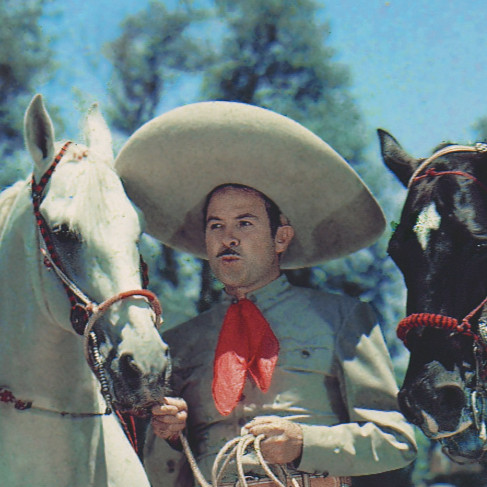
Antonio Aguilar
Corrido
Mariachi
Bolero
4
/5
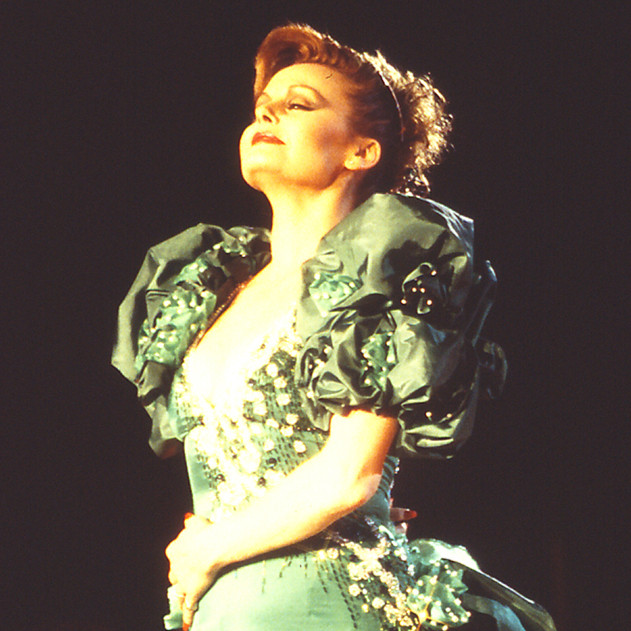
Rocío Dúrcal
Canción Melódica
Mariachi
Bolero
4
/5
Leo Dan
Canción Melódica
Bolero
Mariachi
4
/5
José Alfredo Jimenez
Mariachi
Ranchera
Bolero
4
/5
Pedro Infante
Mariachi
Bolero
Ranchera
Download our mobile app
Get the Melodigging app and start digging for new genres on the go
Download on the App Store
Get it on Google Play
© 2026 Melodigging
Give feedback
Legal
Melodding was created as a tribute to
Every Noise at Once
, which inspired us to help curious minds keep digging into music's ever-evolving genres.