Genres
Artists
Albums
Make Music
Sign in
Sign in
Artists
Noise Rock
Artists
Noise Rock
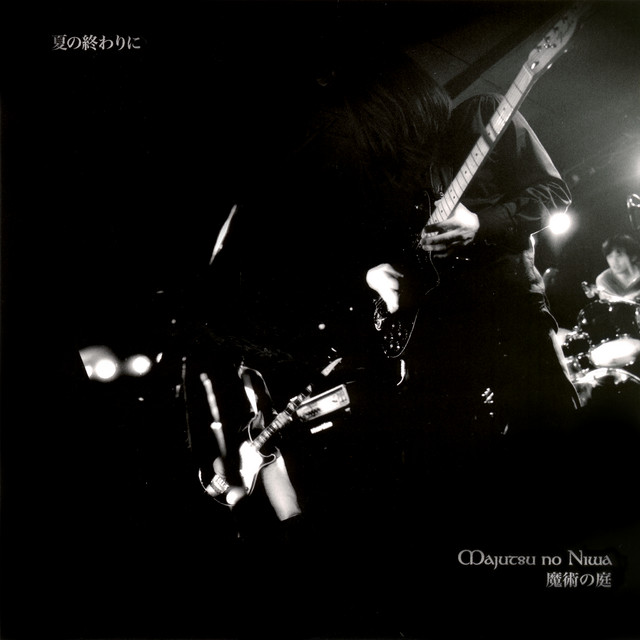
Majutsu no Niwa
2008
·
1 album
Listen
1
/5
Genres
Noise Rock
Noise rock is a subgenre of rock that deliberately embraces distortion, feedback, dissonance, and abrasive textures as primary musical materials rather than mere effects. It prioritizes timbre, volume, and sonic density over conventional melody and harmony, often using nonstandard tunings, prepared or detuned guitars, and extended techniques to generate harsh overtones and sheets of sound. Rhythm sections tend to be driving and repetitive, anchoring the chaos with motorik pulses, lurching grooves, or pummeling, minimal patterns. Vocals range from spoken and murmured to shouted and cathartic, with lyrics that skew cryptic, confrontational, or surreal. Aesthetically, noise rock traces a line from punk’s anti-virtuosity and DIY ethos through no wave’s iconoclasm and the avant-garde’s interest in sound-as-sound, yielding music that can be physically intense, psychologically unsettling, and artistically exploratory.
Discover
Listen
Psychedelic Rock
Psychedelic rock is a style of rock music that seeks to evoke, simulate, and expand altered states of consciousness through sound. It typically features timbral experimentation (fuzz, wah, tape delay, phasing), drones, modal or raga-influenced harmony, extended improvisation, studio-as-instrument production, and surreal, mystical, or mind-expanding lyrics. Emerging from mid-1960s counterculture, it fused garage-band energy with folk, blues, and non-Western musical ideas—especially Indian classical ragas—while embracing new studio technologies and concert light shows. Both a live and a studio art, psychedelic rock ranges from jangly, kaleidoscopic pop to heavy, hypnotic jams and cosmic soundscapes.
Discover
Listen
Japanese Psychedelic
Japanese psychedelic is Japan’s homegrown take on psychedelic rock, emerging at the end of the 1960s as the country’s Group Sounds bands absorbed British and American acid rock, blues rock, and garage influences. It is marked by saturated fuzz and feedback guitars, tape echo and spring reverb, modal riffs and drones, and long, improvisation-friendly song forms. Across its evolution, the style ranges from raw, garage-derived freak-outs to spacious, cosmic jams and shadowy, feedback-drenched minimalism. Traditional and Asian timbres or scales sometimes color the harmony (e.g., pentatonic and raga-inspired modes), while lyrics often tilt toward surrealism, alienation, or dreamlike imagery. The result is a uniquely Japanese blend of heaviness and heady atmosphere that links late-1960s underground rock to later noise, space, and neo-psychedelic movements.
Discover
Listen
Albums
2008
At the End of Summer
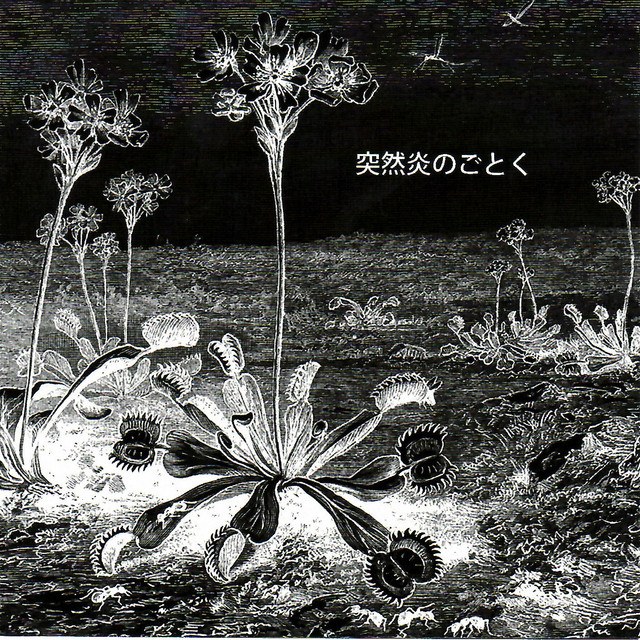
Majutsu no Niwa
Japanese Psychedelic
Similar artists
3
/5
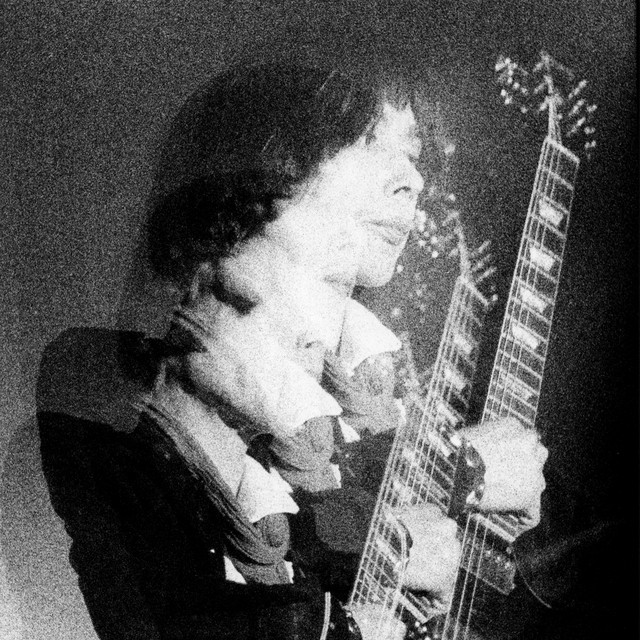
Boris
Drone
Doom Metal
Noise
1
/5
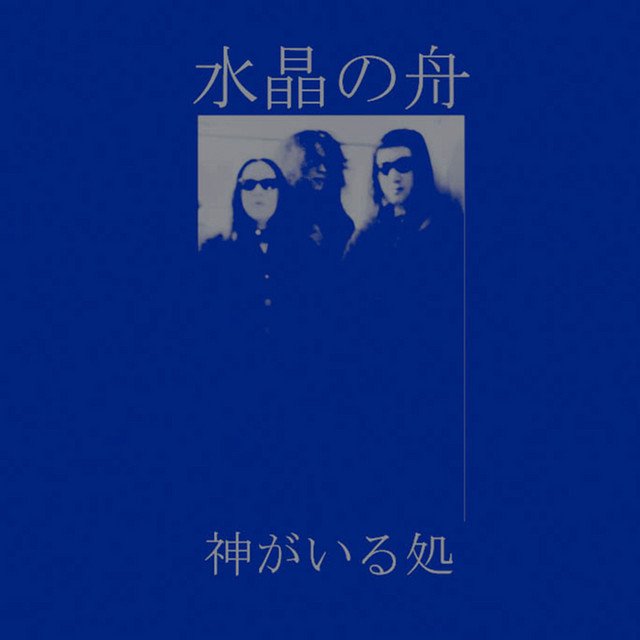
Suishou no Fune
Noise Rock
Psychedelic Rock
Japanese Psychedelic
1
/5
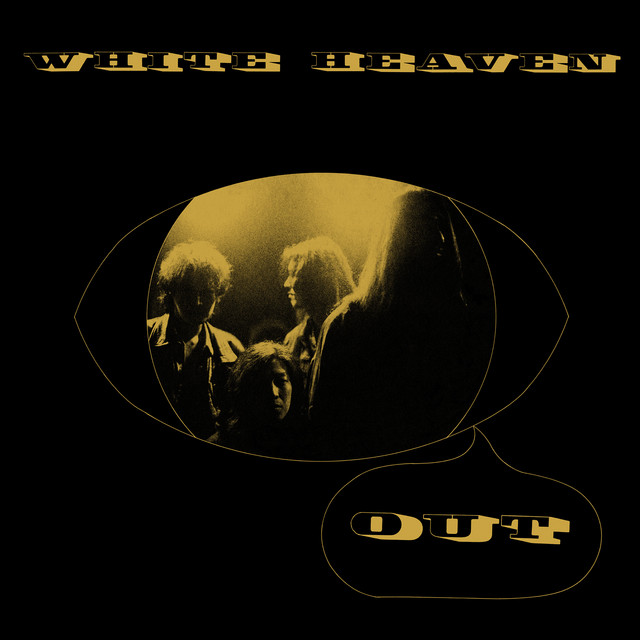
White Heaven
Japanoise
Noise Rock
Psychedelic Rock
1
/5
LSD March
Acid Rock
Krautrock
Noise Rock
2
/5
Les Rallizes Dénudés
Japanese Psychedelic
Acid Rock
Art Punk
1
/5
ACID MOTHERS TEMPLE
Acid Rock
Krautrock
Neo-Psychedelia
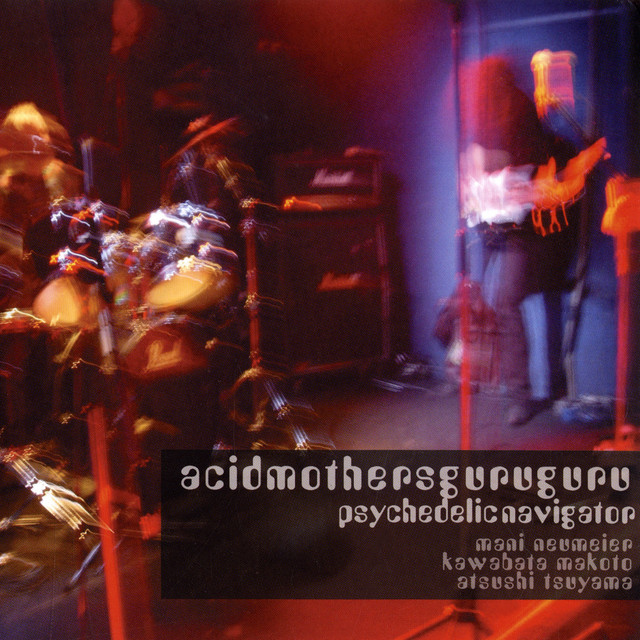
Acid Mothers Guru Guru
Japanese Psychedelic
Noise Rock
Psychedelic Rock
3
/5
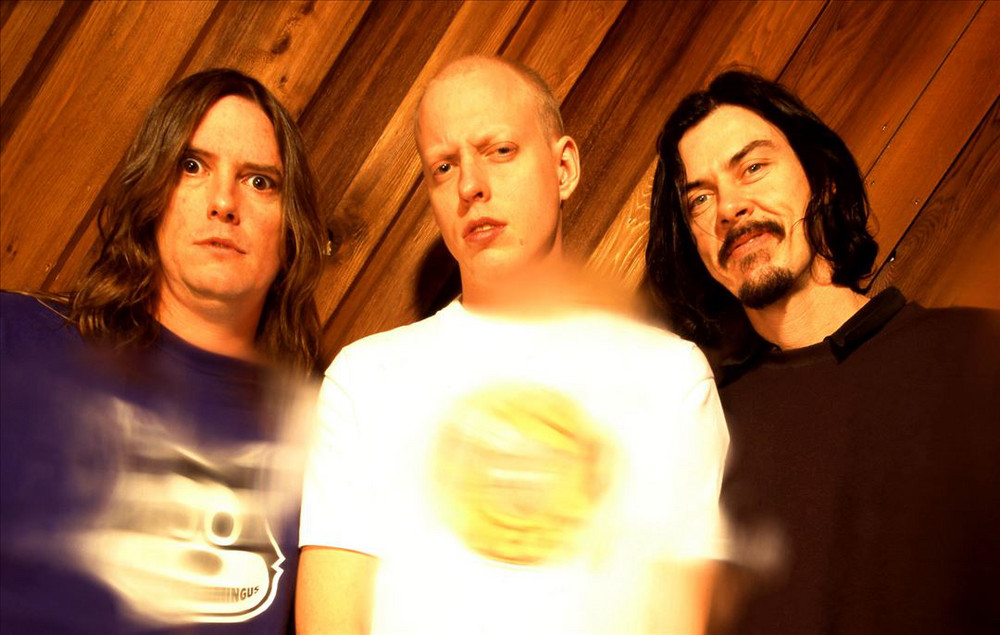
Butthole Surfers
Alternative Rock
Experimental Rock
Rock
3
/5
Thee Oh Sees
Garage Rock
Garage Psych
Psychedelic Rock
3
/5
Osees
Garage Rock
Krautrock
Neo-Psychedelia
Download our mobile app
Get the Melodigging app and start digging for new genres on the go
Download on the App Store
Get it on Google Play
© 2026 Melodigging
Give feedback
Legal
Melodding was created as a tribute to
Every Noise at Once
, which inspired us to help curious minds keep digging into music's ever-evolving genres.