Genres
Artists
Albums
Make Music
Sign in
Sign in
Artists
Japanese Indie
Artists
Japanese Indie
Magnolia Cacophony
2024
·
1 album
Listen
1
/5
Genres
Vocaloid
Vocaloid is a music genre and production culture centered on songs performed by synthesized singing voices, most famously the virtual singer Hatsune Miku. Producers compose and arrange tracks, then program lyrics and melodies into voicebanks to create lead vocals that sound like human singers. While the repertoire spans many styles, Vocaloid is strongly associated with Japanese pop, rock, and electronic dance music aesthetics. Songs are often released online with striking illustrated artwork and animated "PV" videos, and they are disseminated through platforms such as Nico Nico Douga and YouTube by independent creators and labels. The genre’s hallmark is the combination of catchy, hyper-bright melodies, energetic rhythm sections, and expressive vocal programming (tuning) that leverages timbral artifacts unique to synthesized voices. A vibrant fan community drives remixes, covers, live concerts with virtual avatars, and continual evolution of stylistic norms.
Discover
Listen
Doujin Music
Doujin music is the self-published, grassroots music ecosystem of Japan’s doujin (fan-made/independent) culture. It is created by individuals or small “circles” and released directly to fans, most famously at events like Comiket, M3, and Hakurei Jinja Reitaisai. Stylistically, it is genre-agnostic: you will find high-energy club styles (J-core, trance, eurobeat), cute and eccentric pop (denpa), rock/metal bands, orchestral and piano works, and an enormous number of fan arrangements of game and anime music—especially from the Touhou Project. Many releases use vocal synthesizers (Vocaloid/UTAU) or utaite singers from video platforms like Niconico Douga. Distribution is typically physical CDs and merch at events alongside digital storefronts (BOOTH, Bandcamp) and video platforms. The scene values rapid iteration, strong visual identity, and community feedback, resulting in a distinct “otaku-centric” aesthetic and a remarkably prolific catalog.
Discover
Listen
Japanese Indie
Japanese indie refers to Japan’s independent rock and pop scenes that developed outside the major-label idol system. It blends DIY production and small-label distribution with a wide palette of sounds, from jangly guitar pop and post‑punk angularity to dreamy shoegaze and lo‑fi recordings. The scene is anchored by “live houses” (small venues) around Tokyo (Shimokitazawa, Koenji, Shinjuku), Osaka, Kyoto, and Fukuoka. Artists often sing in Japanese (sometimes mixing English), with introspective, everyday-life lyrics and arrangements that prize dynamics, texture, and melody over flashy virtuosity. Aesthetically, Japanese indie inherits Western indie rock’s DIY ethos while retaining local melodic sensibilities shaped by kayōkyoku and city pop. Production ranges from 4‑track cassette grit to clean, minimal studio mixes, but the emphasis remains on authenticity, atmosphere, and the energy of the live circuit.
Discover
Listen
Shoegaze
Shoegaze is a subgenre of alternative rock characterized by dense, immersive walls of guitar sound, heavily layered effects, and vocals that blend into the mix as another texture rather than a focal point. Typically mid-tempo and enveloping, it emphasizes timbre, atmosphere, and harmonic color over riff-driven hooks. Reverb, delay, chorus, tremolo, fuzz, and pitch-bending create a blurred, dreamlike quality—often described as a "wash"—while bass and drums provide a steady, understated foundation. The style emerged in the United Kingdom in the late 1980s; the term "shoegaze" was coined by the British press, referencing performers’ tendency to look down at their pedalboards during live shows.
Discover
Listen
Dream Pop
Dream pop is a subgenre of alternative and indie rock that emphasizes atmosphere, texture, and mood over traditional rock dynamics. It is characterized by shimmering, reverb-laden guitars, soft and often breathy vocals, steady but subdued rhythms, and lush harmonic beds created with chorus, delay, and ambient-style processing. Rather than building around riffs or virtuosity, dream pop prioritizes hypnotic repetition, impressionistic lyrics, and a sense of weightless drift, frequently drawing on neo-psychedelia and ambient aesthetics. Its canonical sound coalesced in the mid-1980s (especially around the 4AD label), and later intersected with and helped seed shoegaze and many subsequent bedroom- and internet-era pop styles.
Discover
Listen
Indie Rock
Indie rock is a subgenre of rock and a branch of alternative rock that coalesced in the early–mid 1980s around independent labels and DIY practices in the United Kingdom, the United States, and New Zealand. Defined less by a single sound than by an ethos, indie rock favors non‑mainstream approaches, self‑recording and small‑label distribution, and an interest in pop‑informed melody and eclectic experimentation. Hallmarks include jangly or fuzzed guitars, intimate or deadpan vocals, off‑kilter song structures, and production that often preserves a raw, “authentic” feel rather than glossy studio polish.
Discover
Listen
Albums
2024
2
/5
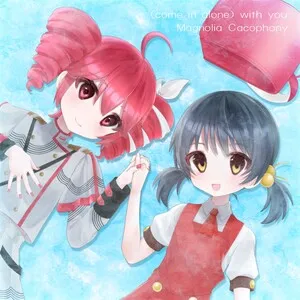
(Come in Alone) With You
Magnolia Cacophony
Doujin Music
Similar artists
1
/5
inuha
Dream Pop
Japanese Indie
Shoegaze
1
/5
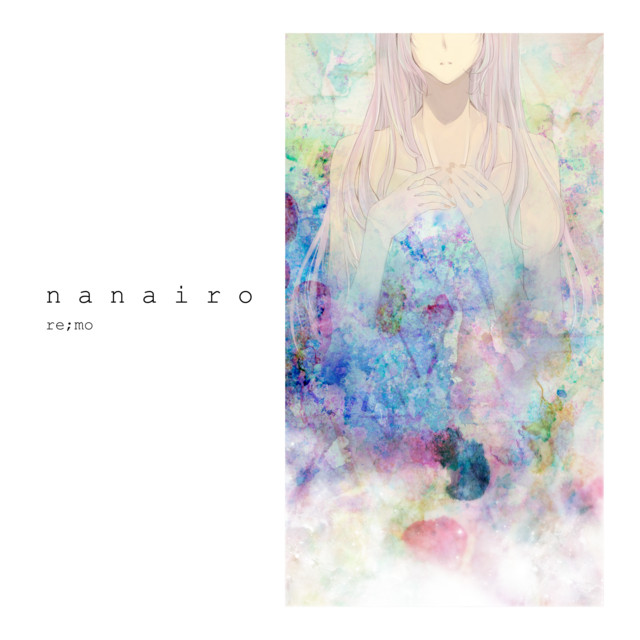
re;mo
Shoegaze
Dream Pop
Vocaloid
2
/5
nerdneko
Japanese Indie
Shoegaze
Vocaloid
1
/5
Okina
Shoegaze
Vocaloid
Doujin Music
3
/5
Kinokoteikoku
Shoegaze
Dream Pop
Indie Dream Pop
3
/5
my dead girlfriend
Shoegaze
Dream Pop
Indie Dream Pop
3
/5
宇宙ネコ子
Dream Pop
Indie Dream Pop
Indie Shoegaze
3
/5
kinoue64
Dream Pop
Indie Dream Pop
Indie Shoegaze
3
/5
溶けない名前
Dream Pop
Indie Dream Pop
Indie Shoegaze
3
/5
東京酒吐座(Tokyo Shoegazer)
Dream Pop
Indie Dream Pop
Indie Shoegaze
Download our mobile app
Get the Melodigging app and start digging for new genres on the go
Download on the App Store
Get it on Google Play
© 2026 Melodigging
Give feedback
Legal
Melodding was created as a tribute to
Every Noise at Once
, which inspired us to help curious minds keep digging into music's ever-evolving genres.