Genres
Artists
Albums
Make Music
Sign in
Sign in
Artists
Coldwave
Artists
Coldwave
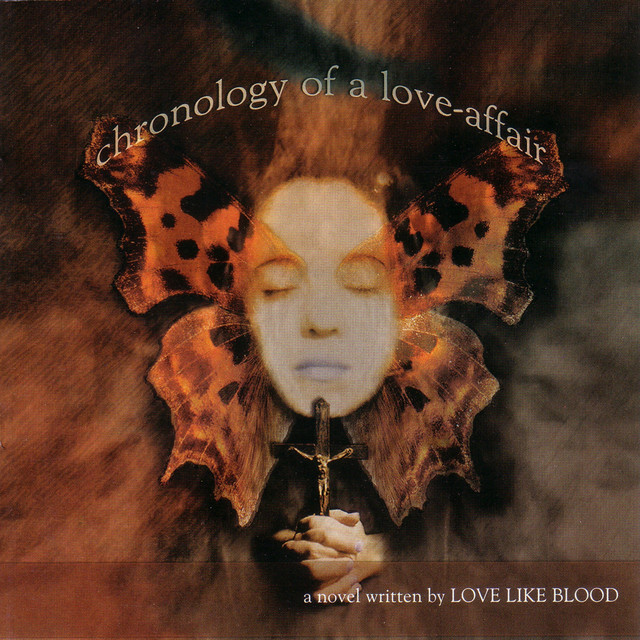
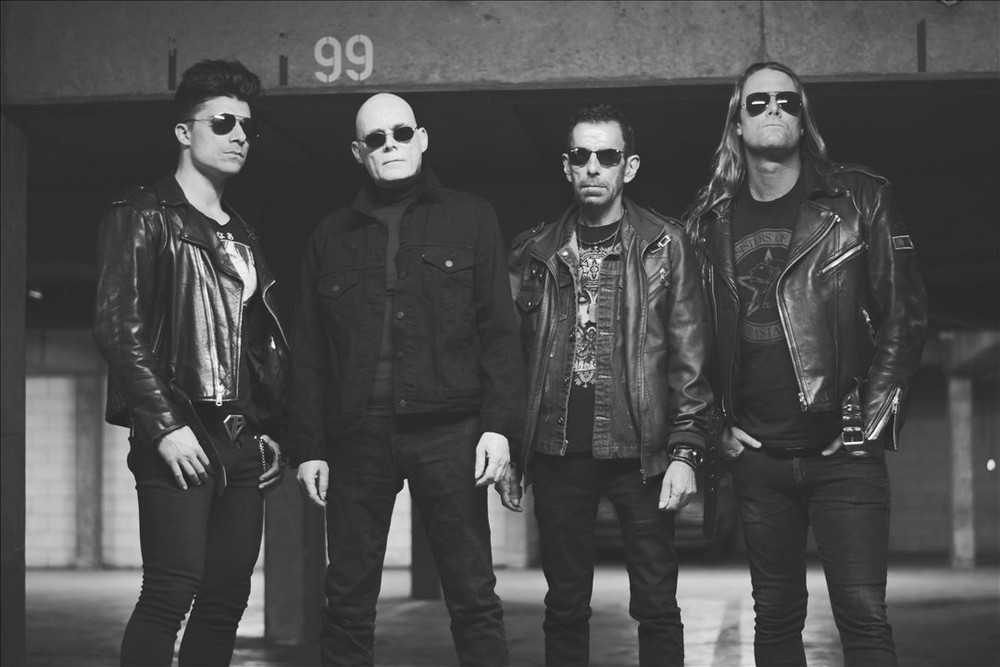
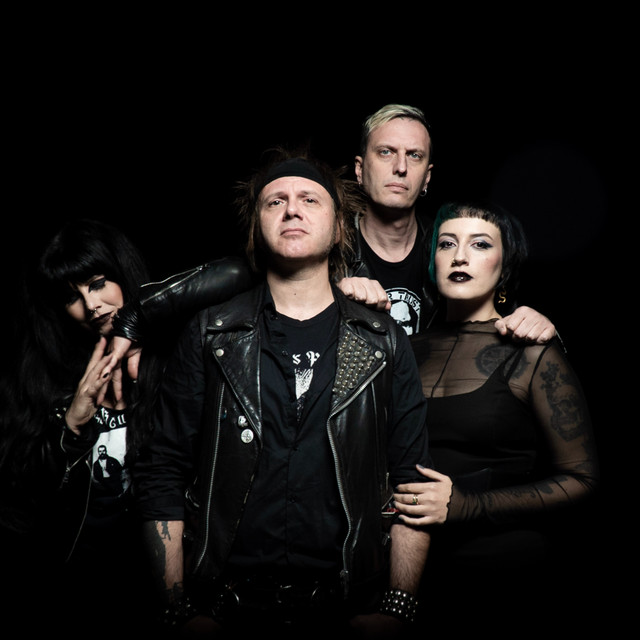
Love Like Blood
Listen
2
/5
Genres
Corrosion
Corrosion is a contemporary, industrial‑leaning strain of techno defined by heavily overdriven sound design, metallic percussion, and a dystopian, machine‑shop atmosphere. Producers foreground saturated kick drums, gritty bass lines, and corroded textures created through clipping, bit‑crushing, and re‑amping. A typical track runs at club tempos and emphasizes relentless propulsion over harmonic development, drawing on EBM’s body‑music pulse and noise/industrial’s timbral abrasion. The aesthetic prizes tactile, harsh sonics that feel physically worn—sonically “oxidized”—yet engineered for large sound systems.
Discover
Listen
Dark Disco
Dark disco is a mid‑tempo, nocturnal strain of club music that fuses the hypnotic pulse of disco with the grit of post‑punk, EBM, coldwave, and industrial. It favors ominous basslines, minor‑key harmonies, reverb‑soaked guitars and vocals, and analog synth textures, resulting in a moody, cinematic atmosphere that is equally suited to sweaty basements and late‑night festival stages. Tempos typically sit between 105–120 BPM, with emphasis on groove, tension, and shadowy drama rather than maximal speed or brightness.
Discover
Listen
Gothic Metal
Gothic metal is a fusion of the heaviness and slow, atmospheric pull of doom metal with the dark romanticism and melodrama of gothic rock. It emphasizes minor-key harmony, thick guitar textures, and prominent keyboards or orchestral pads to create a brooding, cinematic mood. Vocals range from deep baritone croons and clean female sopranos to harsh growls—sometimes used together in the "beauty-and-the-beast" style. Lyrical themes often explore love and loss, mortality, melancholy, myth, and the supernatural, presented with a sense of theatricality. While centered in metal, the style borrows from dark wave’s somber synths and gothic rock’s atmosphere, leading to variations that lean toward doom, symphonic, or even alternative-leaning approaches.
Discover
Listen
Neue Deutsche Todeskunst
Neue Deutsche Todeskunst ("New German Death Art") is a German darkwave/goth movement that emerged in the early 1990s. It foregrounds German‑language, poetically ambitious lyrics delivered in a dramatic, declamatory or spoken style (Sprechgesang), set against somber darkwave, gothic rock, and neoclassical instrumentation. The sound typically blends synthesizers, piano, string pads, and orchestral timbres with restrained drum programming, creating a theatrical, sepulchral atmosphere. Lyrical themes explore death, transience, existential dread, and metaphysical questions, often referencing classic German literature and philosophy. Live performances frequently incorporate performance art, stage props, and dramaturgical elements to emphasize the genre’s "art" ethos.
Discover
Listen
Dark Wave
Dark wave is a moody, melancholic offshoot of post-punk and new wave that emphasizes minor-key harmonies, somber timbres, and introspective or romantic lyrical themes. It blends the icy textures of early synthesizers and drum machines with reverb-laden guitars and melodic, driving basslines. The style typically features baritone or ethereal vocals, atmospheric production with heavy use of chorus, delay, and reverb, and tempos that range from slow and brooding to mid-tempo and danceable. Dark wave spans both guitar-oriented and synth-forward approaches, and often overlaps with related movements such as coldwave, minimal wave, and ethereal wave.
Discover
Listen
Deathrock
Deathrock is a dark, theatrical offshoot of punk that emerged in the early 1980s, characterized by ominous atmospheres, tom-heavy “tribal” drumming, chorus-soaked basslines, and reverb-drenched guitar. It blends the immediacy and DIY aggressiveness of punk rock with the bleak textures and minor-key melodicism of post-punk and early gothic rock, often drawing visual inspiration from horror cinema and macabre cabaret. Vocals range from plaintive and haunted to snarling and declamatory, while lyrics explore themes of death, alienation, ritual, and romantic morbidity. The production favors raw edges, spring/plate reverbs, and room ambience over polish.
Discover
Listen
Ethereal Wave
Ethereal wave is a branch of post-punk/gothic-adjacent alternative music defined by shimmering, reverb-saturated textures, airborne vocal delivery, and a strong emphasis on atmosphere over aggression. It often features chorus- or delay-drenched guitars that blur into pad-like harmonies, minimal or programmed percussion, and bass lines that drift rather than drive. Vocals—frequently female-led—tend toward breathy, angelic timbres, melismatic phrasing, non-lexical vocalise, and poetic or impressionistic lyrics. Harmonies favor modal or diatonic palettes with suspensions and added tones (sus2, sus4, add9), producing a weightless, bittersweet feel. The overall production aesthetic, popularized by 4AD acts, evokes a dreamlike, otherworldly space that can lean medieval, ambient, or neoclassical depending on the artist.
Discover
Listen
Coldwave
Coldwave is a European post-punk offshoot characterized by icy, minimalist arrangements, prominent basslines, sparse drum machines, and a detached vocal delivery. Emerging first in France (and neighboring Belgium) in the late 1970s and peaking through the mid-1980s, it blends punk’s austerity with the synthetic textures of early analog keyboards and stark, minor-key guitar figures. The mood is melancholic and introspective—often sung in French or English—favoring rigid rhythms, chorus-drenched guitars, and compact songwriting that foregrounds atmosphere over virtuosity. Its "cold" aesthetic refers as much to the emotional temperature of the music as to the gray-toned production: dry snares, steely bass, and reverb used not for lushness but for distance.
Discover
Listen
Gothic Rock
Gothic rock is a dark, atmospheric branch of post-punk that emphasizes brooding moods, melodic basslines, baritone or icy vocal deliveries, and guitar textures drenched in chorus, delay, and reverb. Its lyrics often explore themes of romanticism, existential dread, night, mysticism, and decay, drawing on Gothic literature and cinema as much as rock tradition. Sonically, it blends the stark rhythms and minimalism of post-punk with the theatricality of glam and the textural experimentation of art and psychedelic rock. Drum machines or tightly metronomic drumming underpin prominent, melodic bass figures, while guitars shimmer or scrape with chorus/flanger effects. The result is danceable yet somber music that feels both dramatic and introspective.
Discover
Listen
Post-Punk
Post-punk is a broadly experimental strain of rock that emerged in the late 1970s as artists sought to push beyond the speed, simplicity, and orthodoxy of first-wave punk. It typically features angular, bass-forward grooves; jagged or minimal guitar lines; stark, spacious production; and an openness to dub, funk, electronic, and avant-garde ideas. Lyrics often examine alienation, urban decay, politics, and the inner life with artful or abstract delivery. A studio-as-instrument approach, emphasis on rhythm section interplay, and an appetite for non-rock textures (tape effects, drum machines, found sound, synths) distinguish the style. The result can be danceable yet tense, cerebral yet visceral, and emotionally restrained yet intensely expressive.
Discover
Listen
Metal
Metal (often used to mean heavy metal in its broad, umbrella sense) is a loud, guitar-driven style of rock defined by high-gain distortion, emphatic and often martial rhythms, and a dense, powerful low end. It foregrounds riff-based songwriting, dramatic dynamics, virtuosic guitar solos, and commanding vocals that range from melodic wails to aggressive snarls and growls. Harmonically, metal favors minor modes, modal color (Aeolian, Phrygian), chromaticism, and tritone-inflected tension, while thematically it explores power, mythology, the occult, social critique, fantasy, and existential subjects. While adjacent to hard rock, metal typically pushes amplification, distortion, precision, and thematic intensity further, forming a foundation for many specialized subgenres.
Discover
Listen
Hard Rock
Hard rock is a loud, riff-driven style of rock music built around heavily amplified electric guitars, a powerful rhythm section, and assertive vocals. Songs typically center on memorable, blues-based guitar riffs, strong backbeats, and energetic, often shouted or belted choruses. The genre emphasizes power, groove, and visceral impact over intricate harmony or extended improvisation. Distortion, power chords, pentatonic melodies, and call‑and‑response between vocals and guitar are core traits, while lyrical themes often explore rebellion, lust, swagger, escape, and cathartic release.
Discover
Listen
Rock
Rock is a broad family of popular music centered on amplified instruments, a strong backbeat, and song forms that foreground riffs, choruses, and anthemic hooks. Emerging from mid‑20th‑century American styles like rhythm & blues, country, and gospel-inflected rock and roll, rock quickly expanded in scope—absorbing folk, blues, and psychedelic ideas—while shaping global youth culture. Core sonic markers include electric guitar (often overdriven), electric bass, drum kit emphasizing beats 2 and 4, and emotive lead vocals. Rock songs commonly use verse–chorus structures, blues-derived harmony, and memorable melodic motifs, ranging from intimate ballads to high‑energy, stadium‑sized performances.
Discover
Listen
Show all 13 genres
Similar artists
3
/5
Sisters of Mercy
Gothic Rock
Dark Wave
Deathrock
3
/5
Dead Can Dance
Ethereal Wave
Dark Wave
Electronic
3
/5
London After Midnight
Dark Wave
Deathrock
Gothic Rock
3
/5
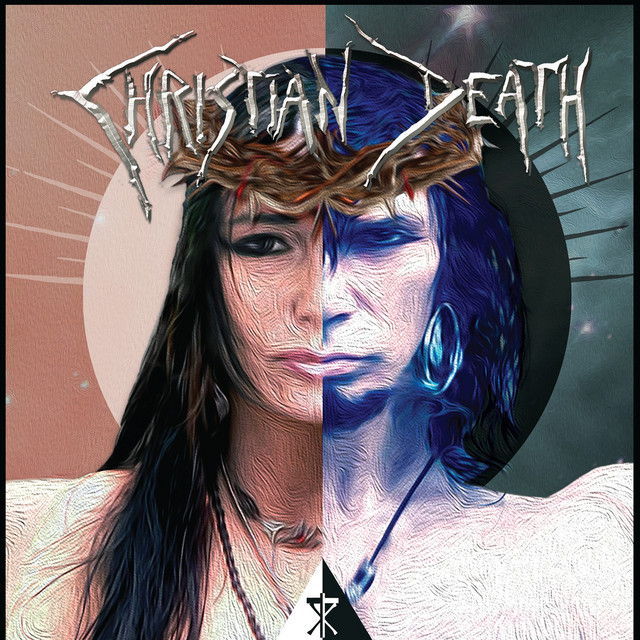
Christian Death
Deathrock
Gothic Rock
Horror Punk
3
/5
Diva Destruction
Coldwave
Dark Wave
Deathrock
2
/5
Alien Sex Fiend
Deathrock
Dark Wave
Industrial
2
/5
Mephisto Walz
Coldwave
Dark Wave
Deathrock
2
/5
Fields Of The Nephilim
Gothic Rock
Coldwave
Dark Wave
2
/5
Horror Vacui
Deathrock
Post-Punk
Modern Goth
2
/5
Diary Of Dreams
Dark Wave
Industrial
Coldwave
Download our mobile app
Get the Melodigging app and start digging for new genres on the go
Download on the App Store
Get it on Google Play
© 2026 Melodigging
Give feedback
Legal
Melodding was created as a tribute to
Every Noise at Once
, which inspired us to help curious minds keep digging into music's ever-evolving genres.