Genres
Artists
Albums
Make Music
Sign in
Sign in
Artists
Chanson Québécoise
Artists
Chanson Québécoise
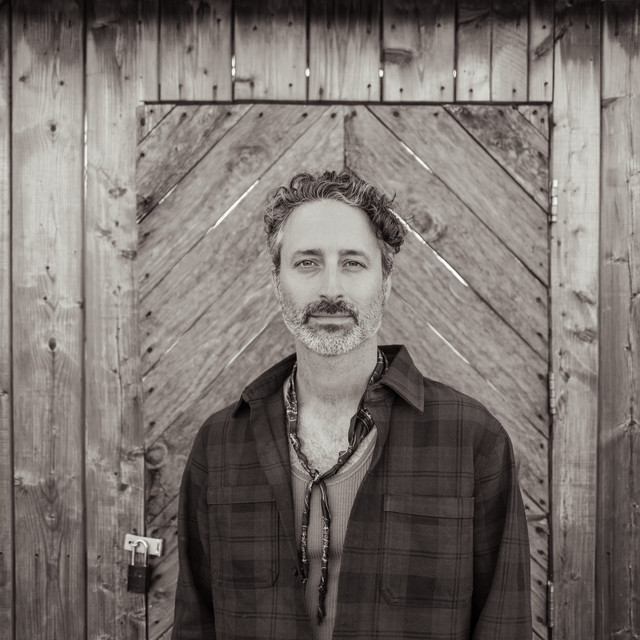
Louis-Jean Cormier
2012–2015
·
2 albums
Listen
2
/5
Genres
Indie Québécois
Indie québécois is the independent music scene from Quebec—centered largely in Montréal and Québec City—that blends the DIY spirit of indie rock and pop with francophone songwriting traditions. It typically features a mix of guitar-driven textures, warm analog synths, and richly arranged instrumentation, while lyrics often foreground identity, urban life, and the poetic cadences of Québécois French. The sound ranges from intimate, folk-leaning songs to expansive, post‑rock and art‑pop arrangements. A bilingual culture and dense venue network fostered collaborations between francophone and anglophone artists, making the scene remarkably porous and stylistically adventurous. Festivals like POP Montréal and M for Montreal, along with labels such as Secret City, Bonsound, and (formerly) Dare to Care/Bravo Musique, helped project the scene internationally.
Discover
Listen
Indie Folk
Indie folk blends the DIY ethos and sonic aesthetics of independent rock with the acoustic instrumentation, intimate storytelling, and melodic simplicity of traditional folk. Timbres are typically warm and organic—fingerpicked acoustic guitars, close-mic’d vocals, subtle percussion, and spare ornamentation from banjo, mandolin, harmonium, or strings. Production often favors natural room ambiance, tape hiss, and gentle compression over glossy polish, creating a sense of proximity and emotional candor. Lyrically, the style is reflective and poetic, focusing on personal narratives, place, nature, spirituality, and memory. Harmony tends to be diatonic and modal, with drones, open tunings, and layered vocal harmonies adding depth. While understated, arrangements can scale into lush, choir-like textures and chamber-folk swells, balancing fragility with grandeur.
Discover
Listen
Pop Québécoise
Pop québécoise is the French-language popular music of Québec, blending the melodic intimacy of chanson with the hooks and production values of international pop. It emerged during the Quiet Revolution, when a new cultural confidence encouraged artists to write in French (often in joual), while absorbing rock, yé-yé, folk-rock, and later synth-pop and electronic influences. Across decades, it has ranged from orchestral ballads and soft-rock crooners to new wave, singer‑songwriter pop, and contemporary electro‑pop—always centering on strong melodies, emotive vocals, and lyrical storytelling tied to Québec identity.
Discover
Listen
Rock Quebecois
Rock québécois is the francophone rock music of Québec, rooted in the province’s distinct culture and sung largely in French—often in the colloquial joual dialect. It blends the directness of rock and roll with chanson-style lyricism, folk traditions, blues grit, and, in many landmark albums, the adventurous arrangements of progressive and psychedelic rock. Themes commonly explore identity, language, social change, working‑class life, love, humor, and the legacy of the Quiet Revolution. Across decades it has ranged from raw garage and blues-rock to folk‑prog opuses and modern alternative/indie rock, but a strong emphasis on narrative lyrics and memorable choruses remains a defining constant.
Discover
Listen
Folk Rock
Folk rock is a fusion genre that blends the narrative lyricism, modal melodies, and acoustic timbres of traditional folk with the backbeat, amplification, and song structures of rock. It typically pairs acoustic or traditional instruments (acoustic guitar, mandolin, fiddle) with a rock rhythm section (electric guitar, bass, drums), often featuring chiming 12‑string guitar textures, close vocal harmonies, and socially conscious or storytelling lyrics. The result ranges from intimate, reflective ballads with a steady backbeat to more anthemic, roots‑driven rock. Emerging in the mid‑1960s through artists such as Bob Dylan and The Byrds, folk rock became a gateway for traditional and roots materials to enter mainstream popular music, and it seeded later movements from country rock and Americana to jangle pop and modern indie folk.
Discover
Listen
Pop Rock
Pop rock blends the hook-focused immediacy of pop with the instrumentation and drive of rock. It prioritizes catchy melodies, concise song structures, and polished production while retaining guitars, bass, and drums as core elements. Typical pop rock tracks use verse–pre-chorus–chorus forms, strong vocal harmonies, and memorable riffs. The sound ranges from jangly and bright to mildly overdriven and arena-ready, aiming for radio-friendly appeal without abandoning rock’s rhythmic punch.
Discover
Listen
Chanson Québécoise
Chanson québécoise is the French-language singer‑songwriter tradition of Québec, rooted in poetic, narrative lyrics and intimate performance. It blends the literary focus of French chanson with North American folk and, later, rock and pop sonorities. Typically performed in cafés, cabarets, and the boîtes à chansons that flourished during the Quiet Revolution, the style emphasizes storytelling, social commentary, and cultural identity—often delivered in Québec French (including joual). Arrangements range from voice‑and‑guitar simplicity to fuller folk‑rock and orchestral textures developed in the 1970s and beyond.
Discover
Listen
Rock
Rock is a broad family of popular music centered on amplified instruments, a strong backbeat, and song forms that foreground riffs, choruses, and anthemic hooks. Emerging from mid‑20th‑century American styles like rhythm & blues, country, and gospel-inflected rock and roll, rock quickly expanded in scope—absorbing folk, blues, and psychedelic ideas—while shaping global youth culture. Core sonic markers include electric guitar (often overdriven), electric bass, drum kit emphasizing beats 2 and 4, and emotive lead vocals. Rock songs commonly use verse–chorus structures, blues-derived harmony, and memorable melodic motifs, ranging from intimate ballads to high‑energy, stadium‑sized performances.
Discover
Listen
Pop
Pop is a broad, hook-driven style of popular music designed for wide appeal. It emphasizes memorable melodies, concise song structures, polished vocals, and production intended for radio, charts, and mass media. While pop continually absorbs elements from other styles, its core remains singable choruses, accessible harmonies, and rhythmic clarity. Typical forms include verse–pre-chorus–chorus, frequent use of bridges and middle-eights, and ear-catching intros and outros. Pop is not defined by a single instrumentation. It flexibly incorporates acoustic and electric instruments, drum machines, synthesizers, and increasingly digital production techniques, always in service of the song and the hook.
Discover
Listen
Folk
Folk is a song-centered acoustic tradition rooted in community storytelling, everyday life, and social history. It emphasizes clear melodies, simple harmonies, and lyrics that foreground narrative, protest, and personal testimony. As a modern recorded genre, folk coalesced in the early-to-mid 20th century in the United States out of older ballad, work song, and rural dance traditions. It typically features acoustic instruments (guitar, banjo, fiddle, mandolin, harmonica), strophic song forms, and participatory singing (choruses, call-and-response).
Discover
Listen
Folk Québécois
Folk québécois is the traditional folk music of French-speaking Quebec, shaped by centuries of oral transmission among settlers, voyageurs, and lumber-camp singers. It blends French balladry and dance forms with strong Celtic (Irish and Scottish) fiddle traditions and local North American adaptations. The sound is driven by fiddle and diatonic button accordion, anchored by podorythmie (seated foot-tapping used as percussion), call-and-response chansons à répondre, and lively dance tunes such as reels, jigs, and quadrilles. Lyrics are typically in French (often with joual dialect), celebrating village life, work, love, humor, and legends, and often feature mouth-music refrains (turlutte).
Discover
Listen
Show all 11 genres
Albums
2015
1
/5
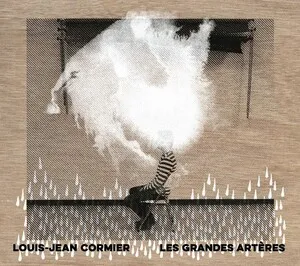
Les grandes artères
Louis-Jean Cormier
Chanson Québécoise
Folk
Folk Rock
2012
1
/5
Le treizième étage
Louis-Jean Cormier
Chanson Québécoise
Pop
Pop Rock
Similar artists
3
/5
Daniel Bélanger
Chanson Québécoise
Folk Québécois
Indie Québécois
3
/5
Les Cowboys Fringants
Rock Quebecois
Chanson Québécoise
Rock
2
/5
Beau Dommage
Chanson Québécoise
Folk Rock
Pop
3
/5
Jean Leloup
Chanson Québécoise
Experimental Indie
Folk Québécois
3
/5
Robert Charlebois
Chanson Québécoise
Folk Québécois
Pop
1
/5
Louise Forestier
Chanson Québécoise
Acid Rock
Folk Québécois
3
/5
Bleu Jeans Bleu
Chanson Québécoise
Folk Québécois
Indie Québécois
2
/5
Les Hay Babies
Chanson Québécoise
Folk Québécois
Indie Québécois
3
/5
Lou-Adriane Cassidy
Chanson Québécoise
Rock Quebecois
Folk
2
/5
Jean-Pierre Ferland
Chanson Québécoise
Folk Québécois
Pop Québécoise
Download our mobile app
Get the Melodigging app and start digging for new genres on the go
Download on the App Store
Get it on Google Play
© 2026 Melodigging
Give feedback
Legal
Melodding was created as a tribute to
Every Noise at Once
, which inspired us to help curious minds keep digging into music's ever-evolving genres.