Genres
Artists
Albums
Make Music
Sign in
Sign in
Artists
Argentine Rock
Artists
Argentine Rock
Los Twist
1983–1992
·
2 albums
Listen
2
/5
Genres
Argentine Rock
Argentine rock (Rock Nacional) is the Spanish-language rock tradition that emerged in Argentina in the late 1960s. It blended the energy and songcraft of Anglo-American rock and roll with local poetic sensibilities, urban bohemian culture, and distinctive Argentine rhythms and harmony. Across its history, the genre has absorbed folk, blues, psychedelia, progressive rock, new wave, punk, reggae/ska, and pop, while remaining anchored by melodic guitars, expressive vocals, and literate lyrics. Tango’s bittersweet harmonies and the cadences of Argentine folk (chacarera, milonga) subtly inform its phrasing, melodic turns, and lyric tone. The result is a body of music that ranges from intimate and reflective to stadium-sized and anthemic, with a strong emphasis on metaphor-rich storytelling in Rioplatense Spanish.
Discover
Listen
Latin Rock
Latin rock blends the instrumentation and attitude of rock with Afro‑Latin and Caribbean rhythms, percussion, and song forms. Typical bands combine electric guitars, bass, and drum kit with congas, bongos, timbales, and hand percussion, creating a driving, danceable groove grounded in the clave. Vocals may be in Spanish, Portuguese, Spanglish, or English, and lyrics range from love songs and urban life to social and political commentary. Harmonically, Latin rock draws from blues/rock progressions but frequently incorporates modal colors (Dorian, Mixolydian) and montuno‑style vamps borrowed from salsa and Afro‑Cuban traditions. The result sits comfortably between club‑ready rhythm and arena‑sized rock energy.
Discover
Listen
Twist
Twist is an early 1960s dance-oriented style of rock and roll/R&B built around a driving 4/4 backbeat, simple chord changes, and lyrics that explicitly invite the audience to dance. Its signature songs—sparked by Hank Ballard’s “The Twist” and made world-famous by Chubby Checker’s 1960 cover—feature medium-to-up-tempo grooves, strong snare accents on beats two and four, call‑and‑response hooks, and concise instrumental breaks (often saxophone or guitar). The music is purpose-built for the iconic “twist” dance: feet planted, hips and torso swiveling, with a clean, straight‑eighth feel rather than a swing shuffle. Beyond the U.S., the twist became a global craze, inspiring localized variants and feeding into contemporaneous youth pop movements across Europe and Latin America.
Discover
Listen
Comedy Rock
Comedy rock blends the instrumentation, song structures, and energy of rock music with humorous lyrics, satire, pastiche, and parody. Its songs often lampoon pop culture, rock tropes, and everyday life, while still delivering tight arrangements and strong hooks. Artists may mimic the sonic fingerprints of specific rock subgenres (from hard rock to surf or punk) to heighten the comedic effect, use wordplay and punchlines as lyrical “hooks,” and deploy theatrical delivery, skits, and character voices. The best comedy rock balances musicianship with timing, so the joke lands without sacrificing the groove.
Discover
Listen
Rock And Roll
Rock and roll is a high-energy, dance-oriented popular music style that emerged in the United States in the early-to-mid 1950s. It fuses the 12‑bar blues and boogie‑woogie with the backbeat and instrumentation of rhythm & blues, the twang and storytelling of country, and the fervor of gospel. Its hallmark sound centers on a strong backbeat (accented on beats 2 and 4), driving rhythm sections, electric guitar riffs, prominent piano or saxophone leads, and catchy, chorus-forward songwriting. Typical harmonies revolve around I–IV–V progressions, often in 12-bar form, with swung or shuffle feels and punchy turnarounds. Culturally, rock and roll catalyzed a youth movement linked to dancing, teen identity, and social change. It bridged racial audiences by popularizing Black American musical traditions for mainstream listeners, and it laid the foundation for subsequent rock styles and much of modern pop.
Discover
Listen
Ska
Ska is a Jamaican popular music style characterized by a brisk 4/4 groove, off‑beat guitar or piano upstrokes (the “skank”), walking bass lines, and punchy horn riffs. Emerging in late‑1950s Kingston dancehalls, ska fused local mento and calypso with American rhythm & blues and jazz, creating a lively sound that celebrated independence‑era optimism and street culture. Across time, ska evolved through distinct waves: the original Jamaican ska of the early 1960s, the racially integrated and politically aware 2 Tone movement in late‑1970s Britain, and the third‑wave explosion in the 1990s that blended ska with punk energy around the world.
Discover
Listen
Albums
1992
2
/5
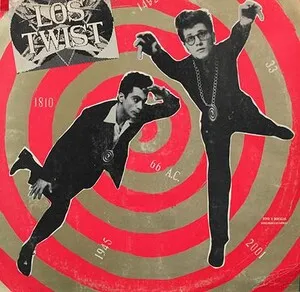
La máquina del tiempo
Los Twist
Twist
1983
3
/5
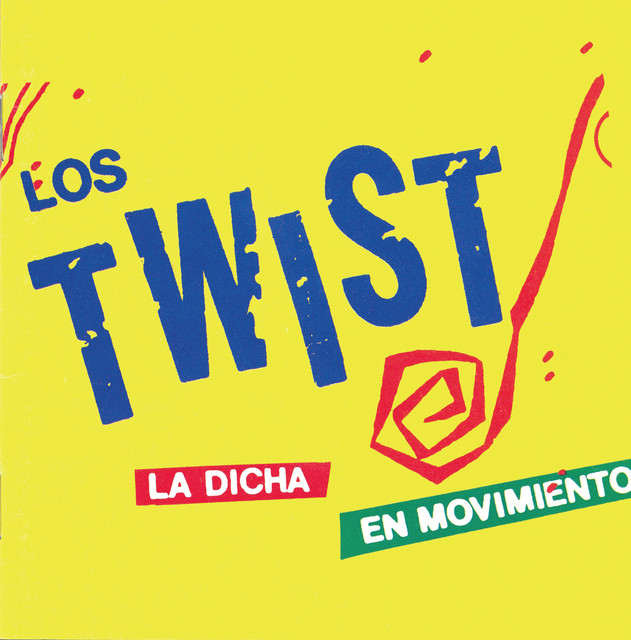
La dicha en movimiento
Los Twist
Twist
Similar artists
1
/5
Various Artists
Afro-Funk
Alternative Rock
Ambient
4
/5
Soda Stereo
Argentine Rock
Rock
Latin Rock
4
/5
Los Enanitos Verdes
Argentine Rock
Mexican Rock
Latin Alternative
4
/5
Andrés Calamaro
Argentine Rock
Flamenco Urbano
Latin Rock
4
/5
El Cuarteto De Nos
Argentine Rock
Latin Rock
Cuarteto
4
/5
Gustavo Cerati
Argentine Rock
Rock Sónico
Pop
4
/5
Babasonicos
Argentine Rock
Alternative Rock
Latin Rock
4
/5
Los Auténticos Decadentes
Murga
Ska
Argentine Rock
4
/5
No Te Va Gustar
Murga
Argentine Rock
Latin Rock
4
/5
Los Fabulosos Cadillacs
Latin Alternative
Mexican Ska
Murga
Download our mobile app
Get the Melodigging app and start digging for new genres on the go
Download on the App Store
Get it on Google Play
© 2026 Melodigging
Give feedback
Legal
Melodding was created as a tribute to
Every Noise at Once
, which inspired us to help curious minds keep digging into music's ever-evolving genres.