Genres
Artists
Albums
Make Music
Sign in
Sign in
Artists
Cumbia
Artists
Cumbia
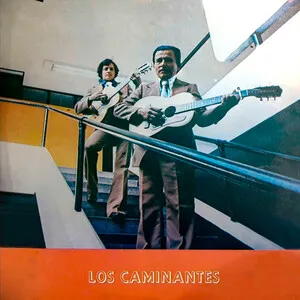
Los Caminantes
1978
·
1 album
Listen
4
/5
Genres
Grupera
Grupera is a romantic, keyboard-driven branch of Mexican popular music that blends the songwriting sensibility of the Latin ballad with rhythms and instrumentation from regional styles such as cumbia, ranchera, norteño, mariachi, and bolero. Typically performed by "grupos" (bands) with electric guitars, bass, drums, and prominent synthesizers or electric keyboards, grupera favors melodic hooks, emotive lead vocals, and lush, reverb-heavy production. Songs often alternate between gentle ballads and danceable cumbias or ranchera-derived polkas, all wrapped in pop-friendly arrangements that made the style a radio and chart staple across Mexico and the U.S. Latino market during the 1980s and 1990s.
Discover
Listen
Norteño
Norteño (música norteña) is a Mexican regional style built around the bright timbre of the diatonic button accordion and the driving strum of the bajo sexto. Rooted in borderland dance music, it blends Central European polka, waltz, and schottische rhythms with Mexican corrido storytelling and ranchera songcraft. Characterized by brisk 2/4 polkas and lilting 3/4 waltzes, norteño songs range from narrative corridos about migration and everyday struggles to romantic ballads and party tunes. Traditional ensembles used tololoche (upright bass) and snare, while modern groups often add electric bass, full drum kits, and occasionally tenor sax (in the norteño-sax substyle) or tuba (in norteño-banda). The result is a dance-forward, story-rich music that bridges rural and urban audiences on both sides of the U.S.–Mexico border.
Discover
Listen
Pasillo
Pasillo is a 19th‑century Andean genre and dance that took shape during the independence era in the former Viceroyalty of New Granada. It blends the triple‑meter elegance of the European waltz with indigenous and mestizo Andean melodic sensibilities and guitar‑family timbres. As it spread across what later became Colombia, Ecuador, and parts of Venezuela and Panama, pasillo developed distinct local flavors. In Colombia it often appears as agile instrumental salon music (frequently led by bandola, tiple, guitar, or violin), while in Ecuador it evolved a celebrated song form—pasillo canción—noted for its intimate, melancholic lyricism. Venezuelans use the umbrella term “vals” for closely related triple‑meter pieces, reflecting shared roots in 19th‑century European dance forms. Characteristic features include 3/4 (sometimes 6/8) meter with a waltz “oom‑pah‑pah” pulse offset by Andean syncopations; diatonic, singable melodies colored by expressive chromatic passing tones; and accompaniment textures built from arpeggios, tremolo, and counter‑melodies on plucked strings.
Discover
Listen
Cumbia
Cumbia is a syncretic dance-music tradition from Colombia’s Caribbean coast that blends African rhythmic heritage, Indigenous (especially gaita flute) melodic practice, and Spanish colonial instrumentation and forms. Traditionally performed in a moderate 2/4 (often felt in 4/4 today), it features interlocking hand-drum parts (tambora, alegre, llamador), guacharaca or maracas for steady texture, and long cane flutes (gaita hembra and gaita macho) carrying call-and-response melodies. As it spread in the 20th century, orchestras and dance bands added accordion, horns, piano, bass, and later electric guitar and synthesizers, creating urban and pan–Latin American variants. Harmonically simple and rhythm-forward, cumbia places groove, ostinati, and vocal refrains at the center, making it both ceremonial in origin and enduringly popular on social dance floors across the Americas.
Discover
Listen
Ranchera
Ranchera (canción ranchera) is a traditional Mexican song genre characterized by passionate, emotive vocals; memorable, singable melodies; and direct, heartfelt lyrics about love, heartbreak, drinking, patriotism, rural life, and personal honor. Although its roots reach back to rural song traditions of the late 18th and early 19th centuries, ranchera consolidated as a national popular style before the Mexican Revolution and was later projected across Latin America through the Golden Age of Mexican cinema. The genre is commonly performed with mariachi (violins, trumpets, vihuela, guitarra, guitarrón), but it can also appear with norteño, banda, or solo voice-and-guitar arrangements. Musically, rancheras often use simple strophic or verse–chorus forms, tonal harmonies (I–IV–V with occasional secondary dominants or modulations), and meters in 3/4 (vals ranchero) or 2/4 and 4/4 (ranchera alegre or ranchera lenta). Vocal delivery features expressive rubato, dramatic dynamic arcs, and the iconic grito (a shouted cry) between phrases.
Discover
Listen
Albums
1978
1
/5
Los Caminantes
Los Caminantes
Pasillo
Similar artists
4
/5
Bronco
Cumbia Norteña Mexicana
Cumbia
Tejano
5
/5
Los Tigres Del Norte
Corrido
Norteño
Latin
5
/5
Grupo Frontera
Tejano
Cumbia Norteña Mexicana
Grupera
5
/5
Carín León
Regional Mexicano
Alternative Country
Latin Pop
5
/5
Grupo Firme
Grupera
Ranchera
Norteño
5
/5
Banda MS de Sergio Lizárraga
Banda Sinaloense
Bandas De Viento De México
Regional Mexicano
5
/5
Joan Sebastian
Grupera
Mariachi
Ranchera
5
/5
Christian Nodal
Grupera
Mariachi
Ranchera
4
/5
Calibre 50
Movimiento Alterado
Grupera
Ranchera
4
/5
Cardenales De Nuevo León
Banda
Corrido
Cumbia Norteña Mexicana
Download our mobile app
Get the Melodigging app and start digging for new genres on the go
Download on the App Store
Get it on Google Play
© 2026 Melodigging
Give feedback
Legal
Melodding was created as a tribute to
Every Noise at Once
, which inspired us to help curious minds keep digging into music's ever-evolving genres.