Genres
Artists
Albums
Make Music
Sign in
Sign in
Artists
Banda
Artists
Banda
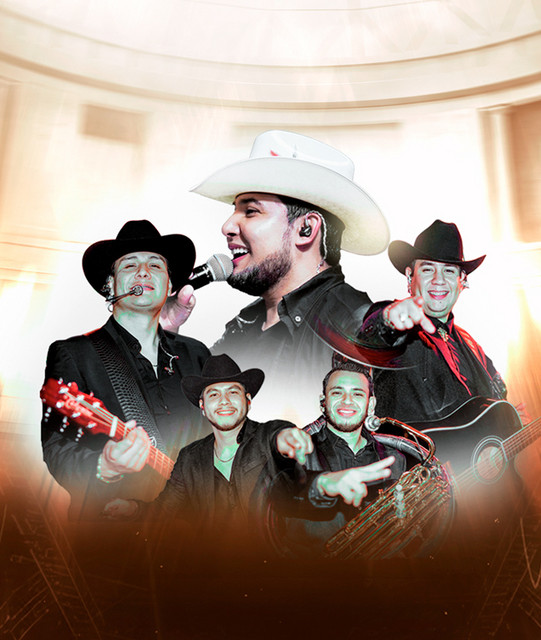
Los 2 de la S
2023
·
1 album
Listen
3
/5
Genres
Sierreño
Sierreño (música sierreña) is an acoustic, guitar‑driven substyle of Regional Mexican music rooted in the mountainous "sierra" regions of northwestern Mexico. It typically features a trio format: a lead requinto guitar playing melodic lines and solos, a 6‑ or 12‑string rhythm guitar providing harmonic drive with vigorous rasgueado strumming, and a bass voice supplied by tololoche (acoustic upright), acoustic/electric bass, or, in modern variants, tuba. Vocals are often delivered in close two‑ or three‑part harmonies, carrying narratives (corridos) and romantic themes (boleros, rancheras). The sound is percussive yet intimate—largely drumless—with tempos ranging from lilting waltzes to polka‑like two‑steps. Contemporary waves ("sierreño con tuba" and urban/crossover forms) expand the palette while preserving the genre’s core string interplay.
Discover
Listen
Norteño
Norteño (música norteña) is a Mexican regional style built around the bright timbre of the diatonic button accordion and the driving strum of the bajo sexto. Rooted in borderland dance music, it blends Central European polka, waltz, and schottische rhythms with Mexican corrido storytelling and ranchera songcraft. Characterized by brisk 2/4 polkas and lilting 3/4 waltzes, norteño songs range from narrative corridos about migration and everyday struggles to romantic ballads and party tunes. Traditional ensembles used tololoche (upright bass) and snare, while modern groups often add electric bass, full drum kits, and occasionally tenor sax (in the norteño-sax substyle) or tuba (in norteño-banda). The result is a dance-forward, story-rich music that bridges rural and urban audiences on both sides of the U.S.–Mexico border.
Discover
Listen
Regional Mexicano
Regional Mexicano (Música Mexicana) is an umbrella term for folk-derived regional styles from Mexico and their Mexican American continuations in the Southwestern United States. Rather than one single sound, it gathers subgenres tied to specific regions—such as mariachi and ranchera (Jalisco/Centro-Occidente), norteño and sierreño (Norte), banda sinaloense (Sinaloa), and narrative corridos that travel nationwide. Its foundations reach back to the 16th–19th centuries, when Indigenous musical practices fused with Spanish song forms, African rhythms, and European dance-band traditions (polka, waltz, schottische), later meeting brass-band instrumentation and, in the North, accordion-led ensembles. In the 20th century it consolidated through radio, cinema, and records, and in the late 20th century became a major Spanish-language radio format in the U.S. Today it ranges from emotive ranchera ballads to high-energy banda and norteño dance music and modern corridos that reflect contemporary social life.
Discover
Listen
Banda Sinaloense
Banda sinaloense is a brass-driven regional Mexican style that arose in the state of Sinaloa, blending European military band sonorities with local dance and song forms. Ensembles typically feature clarinets, trumpets, trombones, alto/baritone horns, and a tuba or sousaphone, anchored by the iconic tambora (bass drum with mounted cymbal) and tarola (snare drum). Its repertoire spans lively polkas, waltzes, mazurkas, schottisches, and pasodobles, alongside Mexican corridos, rancheras, boleros, and modern cumbias. The sound is powerful and celebratory: unison brass fanfares, tight harmonized lines, and a driving “oom‑pah” low end support emotive lead vocals and energetic percussion, making it a staple of festivals, dances, and contemporary charts.
Discover
Listen
Banda
Banda is the traditional music of the Banda peoples of the Central African Republic and adjacent regions of the central Sudano–Congolese belt. It centers on communal performance—singers, dancers, and instrumentalists creating interlocking parts that are woven together through call-and-response and polyrhythm. Characteristic timbres include ensembles of natural horns (notably among Banda-Linda groups) that perform single-note hocketing to build complex melodic textures, wooden slit-drums used for rhythm and communication, frame and barrel drums, rattles, handclaps, transverse and end-blown flutes, and lamellophones (sanza/likembe). Vocal music ranges from antiphonal work and dance songs to ceremonial chants, often supporting life-cycle rituals, healing, hunting, and communal celebrations. Melodically, Banda repertoires commonly employ pentatonic and heptatonic pitch collections, while rhythmically they favor layered ostinati in compound meters (e.g., 12/8) and additive patterns. The music functions as living social practice, binding community, marking identity, and conveying oral history.
Discover
Listen
Corridos Adictivos
Corridos adictivos is a name found on Every Noise at Once, a map of genres identified by Spotify, and in the playlist “The Sound of Corridos Adictivos”; little has been written about it. The music tends to be fast, lively and assertive, with a bouncy pulse and Spanish-language singing. Strummed acoustic guitars and accordion are prominent, often supported by a booming tuba or sousaphone bass line. Some arrangements add trumpets, trombones and clarinets, while others use electric or acoustic bass. Drums can give the music extra drive with snare hits, rolls and cymbal crashes; some arrangements rely on strumming and bass for their rhythmic momentum instead. A common rhythm is a waltz-like oom-pah-pah, with a low bass note followed by guitar strums; a brisk polka-like beat also appears. Voices are often strong and slightly nasal, with a second singer joining the lead in close harmony. Between vocal phrases, accordion and other melodic instruments play quick runs and harmonized fills. The production is generally bright and direct, with vocals up front and some room sound or reverb. The music sits especially close to corrido, the narrative ballad tradition, and some of its artists are also associated with the guitar-led norteño style sierreño. Titles such as “Mi Historial / El 090,” “Siglas del Cartel” and “La Vida del Narco” suggest stories about named figures, coded identities and the drug trade. Releases in the playlist span 2014 to 2024.
Discover
Listen
Albums
2023
Los 2 de la S y sus amigos
Los 2 de la S
Banda
Norteño
Sierreño
Similar artists
Hide discovered
5
/5
Fuerza Regida
Sierreño
Banda
Corrido
5
/5
Grupo Firme
Grupera
Ranchera
Norteño
4
/5
Gerardo Ortiz
Movimiento Alterado
Banda Sinaloense
Bandas De Viento De México
4
/5
El Fantasma
Ranchera
Norteño
Banda Sinaloense
4
/5
Los Dos Carnales
Banda
Corrido
Norteño
4
/5
Los Plebes del Rancho de Ariel Camacho
Norteño
Banda
Corrido
4
/5
Gerardo Coronel
Banda
Corrido
Norteño
4
/5
Fidel Rueda
Norteño
Regional Mexicano
Sierreño
4
/5
Régulo Caro
Movimiento Alterado
Corrido
Banda Sinaloense
4
/5
Perdidos De Sinaloa
Banda
Corrido
Norteño
Download our mobile app
Get the Melodigging app and start digging for new genres on the go
Download on the App Store
Get it on Google Play
© 2026 Melodigging
Give feedback
About & FAQ
Legal
Melodding was created as a tribute to
Every Noise at Once
, which inspired us to help curious minds keep digging into music's ever-evolving genres.