Genres
Artists
Albums
Make Music
Sign in
Sign in
Artists
Japanese Classical
Artists
Japanese Classical
Li Jian
2003–2015
·
2 albums
Listen
3
/5
Genres
Gufeng
Gufeng (古风, literally “ancient style”) is a modern Chinese pop-adjacent style that evokes the sound-world, imagery, and poetics of premodern China. It blends traditional instruments, pentatonic melodies, and classical literary diction with contemporary songwriting, recording, and distribution practices. Emerging largely from online communities and ACG (anime–comics–games/donghua) fandoms, Gufeng favors lyrical themes such as mountains-and-rivers landscapes, courtly romance, martial-arts chivalry, and historical fantasy. The production commonly combines guzheng, pipa, dizi, xiao, and erhu with soft pop arrangements, cinematic pads, and subtle electronic beats, resulting in a nostalgic yet fresh sound that is distinct from mainstream Mandopop.
Discover
Listen
Folk Pop
Folk pop is a commercially friendly blend of traditional folk sensibilities and modern pop songwriting. It preserves the acoustic instrumentation, close harmonies, and storytelling of folk while adopting pop structures, memorable hooks, and radio-ready production. The genre is marked by clear vocals, singalong choruses, and warm, organic textures built around acoustic guitar, light percussion, and sometimes banjo, mandolin, or strings. Lyrically it is personal and narrative-driven, often touching on love, memory, place, and everyday life in a direct and relatable way.
Discover
Listen
Singer-Songwriter
Singer-songwriter is a song-focused style in which the same person writes, composes, and performs their own material, often accompanying themselves on acoustic guitar or piano. It emphasizes personal voice, lyrical intimacy, and storytelling over elaborate production. Arrangements are typically sparse, allowing the melody, words, and performance nuance to carry the song’s emotional weight. While rooted in folk and blues traditions, singer-songwriter embraces pop and rock songcraft, producing works that can range from quiet confessional ballads to subtly orchestrated, radio-ready pieces.
Discover
Listen
C-Pop
C-pop (Chinese popular music) is an umbrella term for contemporary popular music sung primarily in Chinese languages, especially Mandarin and Cantonese, and produced across Mainland China, Hong Kong, Taiwan, and the wider Chinese diaspora. It encompasses well-known streams such as Mandopop and Cantopop while also including works in Hokkien and other Sinitic varieties. Stylistically, C-pop blends Western pop, R&B, hip hop, rock, and electronic production with Chinese melodic sensibilities and traditional timbres. Hallmarks include memorable vocal-centric hooks, lyric-driven ballads, polished dance-pop, and frequent incorporation of pentatonic flavors and traditional instruments alongside modern synths and drums. C-pop is culturally influential across East and Southeast Asia, with stars whose appeal rests on both musical craft and multimedia presence (film/TV, variety shows, social platforms).
Discover
Listen
Mandopop
Mandopop (Mandarin popular music) is the Mandarin-language branch of Chinese popular music, built on songcraft that blends Western pop forms with Chinese melodic aesthetics and lyric sensibilities. It favors strong vocal melodies, polished production, and emotionally direct lyrics, ranging from lush romantic ballads to sleek R&B, dance-pop, and band-driven pop-rock. Because Mandarin is a tonal language, phrasing and melodic contour are crafted to respect word tones while remaining singable and memorable. Historically centered in Shanghai’s pre-war Shidaiqu era, Mandopop later flourished in Taiwan and Hong Kong and now thrives across Mainland China, Singapore, Malaysia, and the global Chinese diaspora. It is both a mass-market mainstream and a platform for singer-songwriters who continually fuse local idioms with global pop trends.
Discover
Listen
Japanese Classical
Japanese classical refers to the courtly, religious, theatrical, and chamber traditions that crystallized in Japan from the Nara and Heian periods onward. It encompasses Gagaku (imperial court music), Shinto ritual music (kagura), Buddhist chant (shōmyō), Noh and Kabuki repertories (e.g., nagauta, jōruri), and chamber music for koto, shamisen, and shakuhachi (sankyoku). The style emphasizes modal color (ryō and ritsu modes, along with later in/yo pentatonic variants), the dramatic architecture of jo–ha–kyū (slow introduction, development, swift conclusion), and the aesthetic of ma (meaningful silence/space). Textures are often heterophonic or layered, timbres are cultivated for breathy, reedy, and bell-like colors (e.g., shō, hichiriki, ryūteki), and rhythm can range from free-flowing chant to stately ceremonial cycles. The result is a contemplative yet ceremonially powerful sound world distinct from Western common-practice tonality.
Discover
Listen
Albums
2015
1
/5
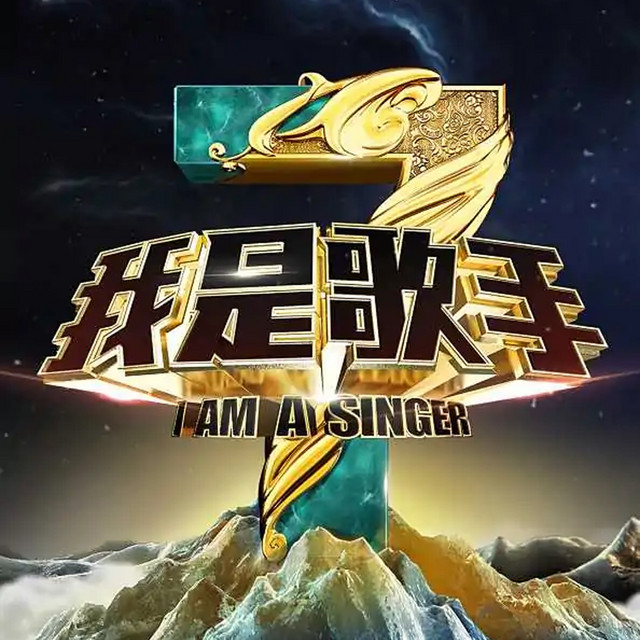
我是歌手第三季 (第十二期 Live)
Li Jian
Japanese Classical
2003
3
/5
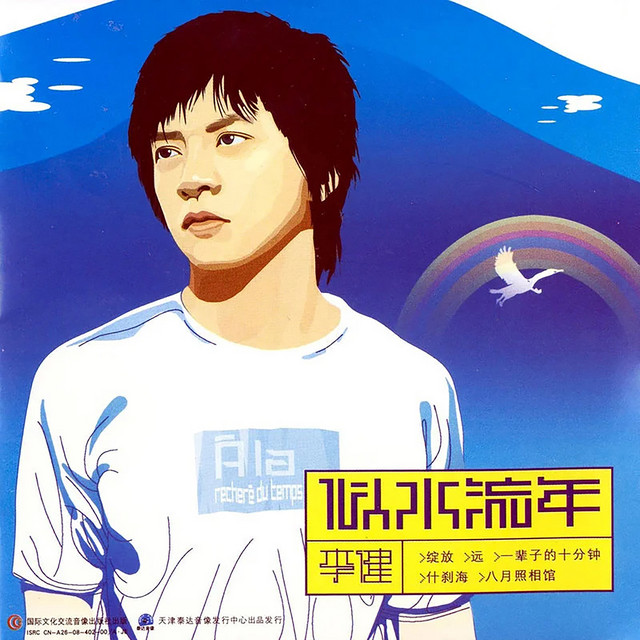
似水流年
Li Jian
Japanese Classical
Similar artists
3
/5
Cheer Chen
C-Pop
Mandopop
Singer-Songwriter
3
/5
Chyi Yu
Mandopop
C-Pop
Campus Folk
4
/5
Jay Chou
Zhongguo Feng
Mandopop
Ballad
4
/5
Eason Chan
Cantopop
Taiwanese Pop
C-Pop
4
/5
JJ Lin
Taiwanese Pop
C-Pop
Chinese Viral Pop
4
/5
G.E.M.
Cantopop
C-Pop
Mandopop
4
/5
Eric Chou
Mandopop
Taiwanese Pop
C-Pop
4
/5
Stefanie Sun
C-Pop
Cantopop
Chinese Viral Pop
4
/5
Mayday
Chinese Rock
C-Pop
Cantopop
4
/5
A-Mei Chang
Cantopop
C-Pop
Mandopop
Download our mobile app
Get the Melodigging app and start digging for new genres on the go
Download on the App Store
Get it on Google Play
© 2026 Melodigging
Give feedback
Legal
Melodding was created as a tribute to
Every Noise at Once
, which inspired us to help curious minds keep digging into music's ever-evolving genres.