Genres
Artists
Albums
Make Music
Sign in
Sign in
Artists
Detroit Techno
Artists
Detroit Techno
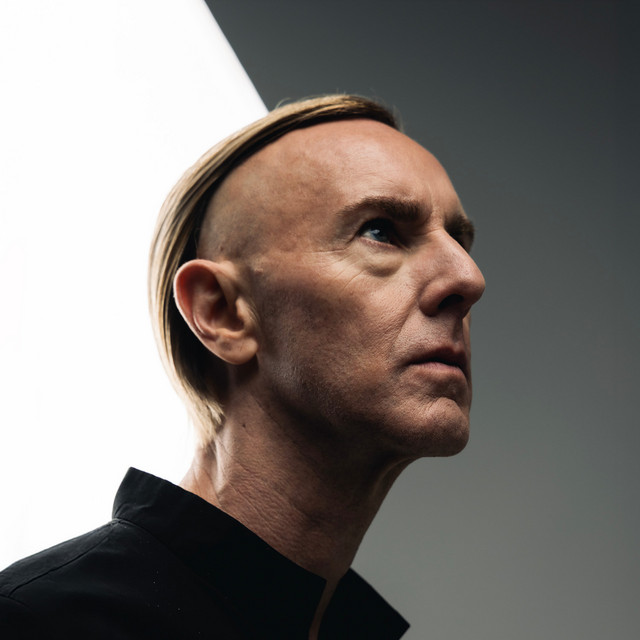
Kenny Larkin
1994–2021
·
2 albums
Listen
2
/5
Genres
Detroit Sound
Detroit sound is a modern hip‑hop micro‑scene from Detroit, Michigan characterized by upbeat, bouncy 808 percussion; simple, funky mallet and bell loops, sparse keys or string stabs, and synth‑bass lines. Vocally, it foregrounds street‑centric subject matter delivered with a dry, often humorous, ultra‑direct punch‑in style—rappers record bar‑by‑bar so each line lands like a standalone quotable. The result is minimal, fast‑moving, and highly rhythmic rap that prizes timing, charisma, and wit over dense melodic hooks.
Discover
Listen
Dark Disco
Dark disco is a mid‑tempo, nocturnal strain of club music that fuses the hypnotic pulse of disco with the grit of post‑punk, EBM, coldwave, and industrial. It favors ominous basslines, minor‑key harmonies, reverb‑soaked guitars and vocals, and analog synth textures, resulting in a moody, cinematic atmosphere that is equally suited to sweaty basements and late‑night festival stages. Tempos typically sit between 105–120 BPM, with emphasis on groove, tension, and shadowy drama rather than maximal speed or brightness.
Discover
Listen
Deep Tech
Deep tech (often shorthand for deep tech house) is a stripped‑back, groove‑led branch of house/tech house that emphasizes hypnotic repetition, swing, and sound design over big hooks. Typical tracks sit around 124–128 BPM, use tight, shuffling drum programming, and rely on deep sub‑bass, crisp hi‑hats, and minimal, percussive motifs. Harmony tends to be sparse—dubby chords, single‑note stabs, or short pads—leaving space for long DJ‑friendly arrangements. Vocals, if present, are usually snippets or whispered phrases processed with delay and reverb to blend into the texture rather than sit on top. The result is functional and heady: music optimized for long, seamless mixes, late‑night dancefloors, and a rolling, understated energy rather than explosive drops.
Discover
Listen
Idm
IDM (often expanded as "Intelligent Dance Music") is a strand of experimental electronic music that applies the sound palette and production methods of club genres to listening-focused, often home-oriented works. It favors intricate rhythm programming, unusual time signatures, and richly textured sound design, blending ambient atmospheres with techno’s pulse, electro’s syncopation, and breakbeat’s fragmentation. The music often de-emphasizes the dancefloor in favor of headphone detail, algorithmic structure, and timbral exploration. The term itself is contentious—many artists rejected the "intelligent" label—yet it became a convenient tag for the early- to mid‑1990s cluster of Warp, Rephlex, and related scenes that foregrounded complexity, abstraction, and emotional ambiguity.
Discover
Listen
Minimal Techno
Minimal techno is a stripped-down, precision-focused branch of techno that emphasizes space, repetition, and subtle change over time. It typically uses a small palette of elements—kick, hi-hats, sparse percussion, a bass pulse, and a few tonal stabs or textures—and relies on micro-variations, dynamics, and timbral modulation to create movement. Rather than dense layering, minimal techno foregrounds negative space and groove, often highlighting the interplay between a hypnotic 4/4 kick and minimal percussive details. The result is a deep, immersive club sound where patience, restraint, and nuance are central to the aesthetic.
Discover
Listen
Detroit Techno
Detroit techno is a futurist, machine-soul form of electronic dance music that emerged from Detroit’s Black musical imagination in the mid-to-late 1980s. It fuses the clinical precision of European electronic music with the swing, grit, and emotional depth of American funk, disco, and Chicago house. Characterized by 4/4 drum-machine grooves, syncopated hi-hats, propulsive basslines, and sleek, melancholic synth pads, Detroit techno aims for both kinetic dance-floor momentum and reflective, sci‑fi atmosphere. It is often minimalist in arrangement yet rich in timbre, foregrounding texture, space, and subtly evolving patterns over overt hooks or vocals.
Discover
Listen
Acid House
Acid house is a subgenre of house music defined by the squelching, modulated basslines of the Roland TB-303 bass synthesizer-sequencer, typically set against a steady 4/4 drum pattern. It emerged in the mid-1980s club culture of Chicago, with formative 303 experiments credited to artists like Phuture and Sleezy D around 1986, and parallel early-1980s experiments occasionally cited in Mumbai’s nascent electronic scene. The style emphasizes hypnotic repetition, filter resonance, accent/slide programming, and minimalist arrangements that build intensity through real-time knob-tweaking rather than harmonic complexity.
Discover
Listen
Chicago House
Chicago house is the original strain of house music that emerged from Chicago’s club scene in the mid to late 1980s. Built around a four-on-the-floor kick, syncopated hi‑hats, handclaps, and looping basslines from affordable drum machines and synths, it translated the energy of disco and boogie into a raw, hypnotic, DJ‑friendly format. The sound was forged by resident DJs and producers associated with venues like The Warehouse, Music Box, and Power Plant, as they extended and reworked soulful, gospel-tinged dance records into long, functional grooves. Early Chicago house is often sparse and gritty—driven by TR‑808/909 patterns, piano stabs, deep pads, and call‑and‑response vocals—designed first and foremost for the dance floor.
Discover
Listen
Techno
Techno is a four-on-the-floor, machine-driven form of electronic dance music that emerged in mid-to-late 1980s Detroit. It is characterized by steady 4/4 kick drums, repetitive and hypnotic rhythmic patterns, synthetic timbres, and an emphasis on texture, groove, and forward momentum over elaborate harmony. Producers typically use drum machines, sequencers, and synthesizers to build layered percussion, pulsing basslines, and evolving motifs. While often dark and minimalistic, techno spans a wide spectrum—from soulful, futuristic Detroit aesthetics to hard, industrially tinged European strains—yet it consistently prioritizes kinetic energy for dancefloors and a sense of machine futurism.
Discover
Listen
Electronic
Electronic is a broad umbrella genre defined by the primary use of electronically generated or electronically processed sound. It encompasses music made with synthesizers, drum machines, samplers, computers, and studio/tape techniques, as well as electroacoustic manipulation of recorded or synthetic sources. The genre ranges from academic and experimental traditions to popular and dance-oriented forms. While its sonic palette is rooted in electricity and circuitry, its aesthetics span minimal and textural explorations, structured song forms, and beat-driven club permutations. Electronic emphasizes sound design, timbre, and studio-as-instrument practices as much as melody and harmony.
Discover
Listen
Show all 10 genres
Albums
2021
1
/5
Metaphor
Kenny Larkin
Detroit Techno
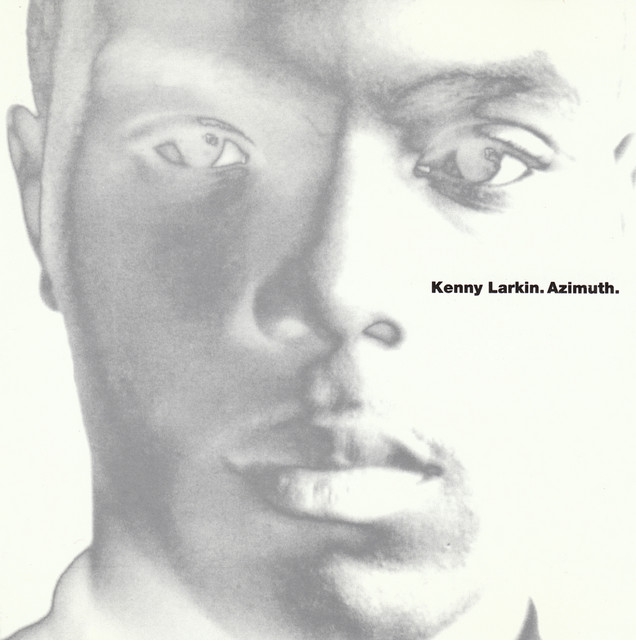
1994
1
/5
Azimuth
Kenny Larkin
Detroit Techno
Similar artists
1
/5
Various Artists
Afro-Funk
Alternative Rock
Ambient
3
/5
Richie Hawtin
Acid Techno
Detroit Techno
Techno
2
/5
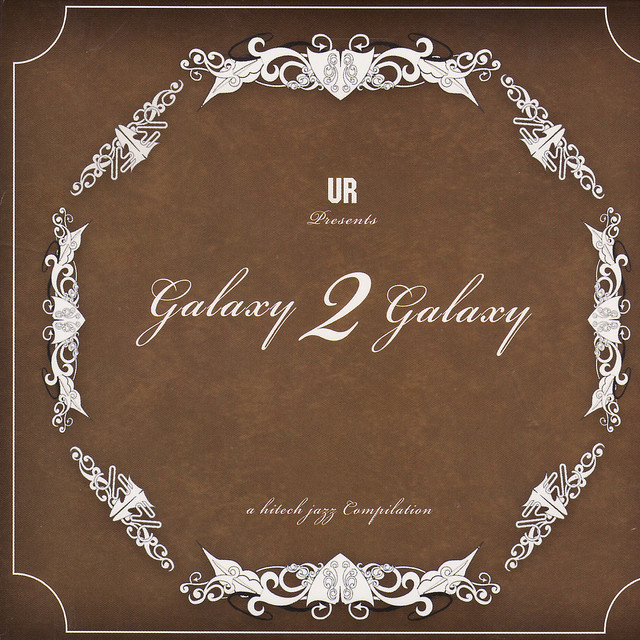
Galaxy 2 Galaxy
Acid House
Chicago House
Detroit Sound
2
/5
Blake Baxter
Acid House
Chicago House
Detroit Sound
3
/5
Carl Craig
Detroit Techno
Detroit Sound
Idm
2
/5
Robert Hood
Detroit Techno
Techno
Minimal Techno
2
/5
Drexciya
Electro
Detroit Techno
Electronic
2
/5
Surgeon
Birmingham Sound
Modular Techno
Detroit Techno
3
/5
Kevin Saunderson
Acid House
Chicago House
Detroit Sound
3
/5
808 State
Acid House
Madchester
Electronic
Download our mobile app
Get the Melodigging app and start digging for new genres on the go
Download on the App Store
Get it on Google Play
© 2026 Melodigging
Give feedback
Legal
Melodding was created as a tribute to
Every Noise at Once
, which inspired us to help curious minds keep digging into music's ever-evolving genres.