Genres
Artists
Albums
Make Music
Sign in
Sign in
Artists
Opera
Artists
Opera
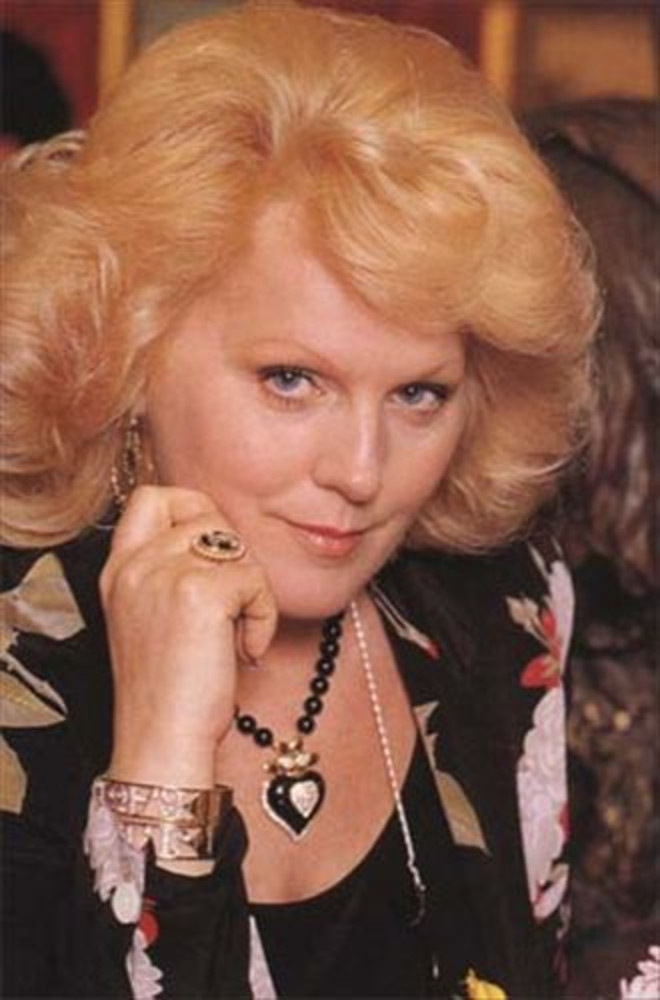
Katia Ricciarelli
1983–2013
·
2 albums
Listen
2
/5
Genres
Grand Opera
Grand opera is a monumental 19th‑century French operatic form defined by large forces, spectacular staging, and serious historical or religious subjects. Typically laid out in five acts, it features extensive choruses, virtuosic arias and ensembles, full ballet sequences (the obligatory "divertissement"), and elaborate scenic effects that turn political and moral conflicts into public spectacle. Musically, grand opera expands the Romantic orchestra, favors accompanied recitative over secco dialogue, and uses coloristic orchestration, on‑ and off‑stage bands, and crowd scenes to heighten dramaturgy. It emerged at the Paris Opéra (Académie Royale/Impériale) in the late 1820s–1830s through works by Auber, Meyerbeer, and Halévy, and quickly became an international template for large‑scale operatic production.
Discover
Listen
Opéra Comique
Opéra comique is a French operatic genre defined by the presence of spoken dialogue between musical numbers rather than by comic subject matter. Early works used popular tunes (vaudevilles) with newly written words, later evolving into fully original scores with arias, ensembles, finales, and orchestral writing. Originating in Paris fairground theatres, the genre developed at the Opéra-Comique institution into a flexible form that could encompass light, humorous plots as well as serious and even tragic stories. By the 19th century it ranged from graceful, classical elegance to full Romantic drama—so much so that a tragedy like Bizet’s Carmen is still called an opéra comique because it originally included spoken dialogue. Typical features include an overture, clear French prosody, memorable lyrical numbers (romances, couplets), conversational pacing, and finales that integrate multiple characters on stage. Harmony and orchestration track the broader shift from late Baroque/Classical clarity to Romantic color and intensity.
Discover
Listen
Opera
Opera is a large-scale theatrical genre that combines music, drama, and visual spectacle, in which the story is primarily conveyed through singing accompanied by an orchestra. It unites solo voices, ensembles, and chorus with staging, costumes, and often dance to create a total artwork. Emerging in late Renaissance Italy and flourishing in the Baroque era, opera developed signature forms such as recitative (speech-like singing that advances the plot) and aria (lyrical numbers that explore character and emotion). Over the centuries it evolved diverse national styles—Italian bel canto, French grand opéra, German music drama—while continually experimenting with orchestration, harmony, narrative structure, and stagecraft.
Discover
Listen
Albums
2013
2
/5
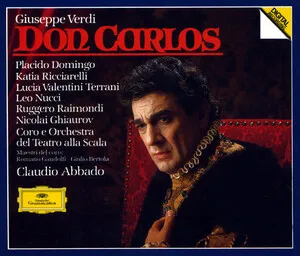
Don Carlos
Giuseppe Verdi
Grand Opera
1983
2
/5
Carmen
Georges Bizet
Opéra Comique
Similar artists
4
/5
London Symphony Orchestra
Classical
Ballet
Concerto
4
/5
Philharmonia Orchestra
Classical
Opera
Choral
4
/5
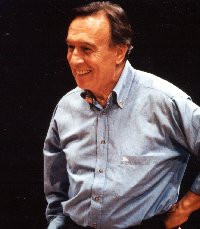
Claudio Abbado
Classical
Concerto
Impressionism
4
/5
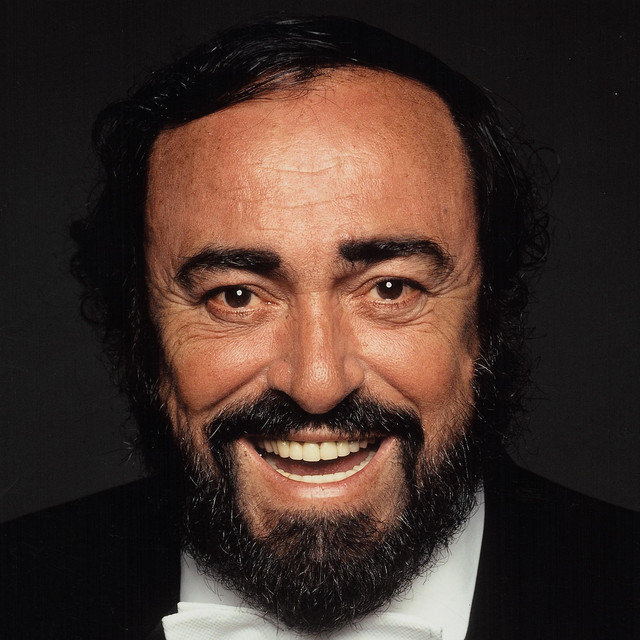
Luciano Pavarotti
Canzone Napoletana
Classical
Opera
3
/5
Richard Bonynge
Classical
Opera
Opéra Comique
3
/5
Plácido Domingo
Classical
Opera
Opéra Comique
3
/5
Orchestra Del Teatro Alla Scala, Milano
Verismo
Classical
Grand Opera
3
/5
Maria Callas
Opera
Verismo
Classical
3
/5
Sir Georg Solti
Classical
Romantic Classical
Romanticism
3
/5
Michel Plasson
Classical
Opera
Grand Opera
Download our mobile app
Get the Melodigging app and start digging for new genres on the go
Download on the App Store
Get it on Google Play
© 2026 Melodigging
Give feedback
Legal
Melodding was created as a tribute to
Every Noise at Once
, which inspired us to help curious minds keep digging into music's ever-evolving genres.