Genres
Artists
Albums
Make Music
Sign in
Sign in
Artists
Dancehall
Artists
Dancehall
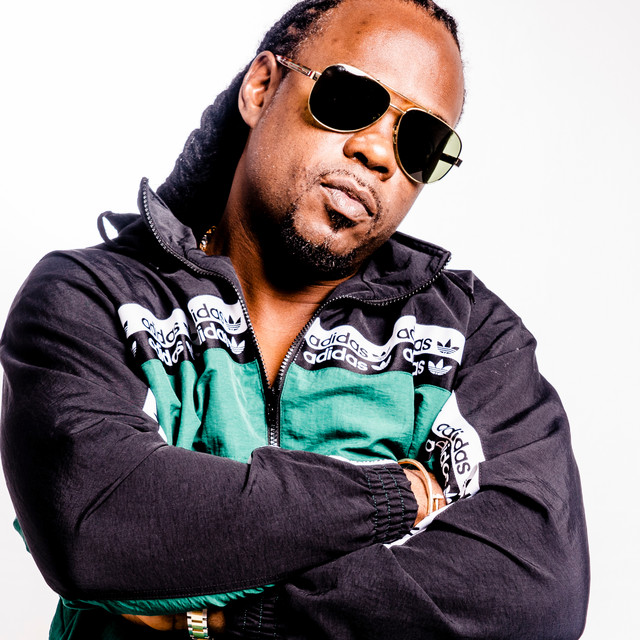
Kafu Banton
Listen
3
/5
Genres
Neoperreo
Neoperreo is a 2010s, internet-native reboot of reggaeton’s perreo culture, spearheaded by a DIY, club-oriented scene that embraces queer, feminist, and body-positive values. It keeps the genre’s dembow backbone while pushing sound design into heavier 808s, crisp digital percussion, and glossy autotuned vocals. Aesthetically, it borrows from global/experimental club currents, moombahton’s mid-tempo thump, and hyperpop’s online sensibility, yielding tracks that are minimal yet hard-hitting, hooky but adventurous. Neoperreo thrives in parties, YouTube/SoundCloud ecosystems, and pop-up scenes across Latin America, Spain, and the diaspora—designed first and foremost for the dancefloor and for perreo.
Discover
Listen
Trap Boricua
Trap boricua is the Puerto Rican strain of Latin trap: a Spanish-language take on Southern U.S. trap aesthetics fused with the island’s reggaetón DNA and hip‑hop tradition. It is characterized by halftime 4/4 grooves (typically 65–75 BPM, or 130–150 BPM counted double‑time), heavy 808 sub-bass with slides, skittering 1/16 hi‑hats and triplet rolls, crisp claps/snares on the halftime backbeat, and atmospheric pads or minor‑key synth motifs. Vocals often mix melodic Auto‑Tuned hooks with gritty rap verses, switching between rapid‑fire syllables and laid‑back flows. Lyrically, artists blend barrio storytelling, bravado (fronteo), luxury and street codes with Puerto Rican slang, while also opening space for romance, introspection, and social commentary. The sound frequently hybrids with reggaetón (dembow cadences), R&B, and drill, making it both club‑ready and mood‑driven.
Discover
Listen
Dennery Segment
Dennery segment is a drum-forward, chant-driven offshoot of soca that originated in the district of Dennery in Saint Lucia. Often nicknamed "Lucian Kuduro," it fuses the stripped, polyrhythmic punch of African club styles with the road‑march energy of Caribbean carnival. The style is characterized by minimal melodic content, heavy hand‑percussion grooves (congas, cowbells/iron, shakers), whistle and siren riffs, and short call‑and‑response hooks delivered in Saint Lucian Kwéyòl and English. Tempos typically sit in the groovy soca range (roughly 115–130 BPM), emphasizing a hypnotic, repeating riddim that invites specific dance instructions and crowd participation. Production tends to be lean and percussive with tight kick–sub alignment, clipped vocal chops, and rhythmic breakdowns rather than harmonic builds—designed as much for street parades as for club play.
Discover
Listen
Rkt
RKT is a high‑energy Argentine take on urbano dance music that hardens the classic dembow/reggaeton pulse with the punch and party ethos of local cumbia scenes. It favors minimal, rhythm‑centric beats, heavy 808s, crisp kick‑snare patterns, and crowd‑hyping FX such as sirens, brass stabs, and risers. Vocals typically come in short, hooky chants and straightforward verses delivered in street‑level Spanish slang, designed for immediate dance‑floor and social‑media impact. Sonically it sits between reggaeton, DJ edit culture and Argentine cumbia (especially the villera tradition), keeping arrangements lean so the groove and drops hit as hard as possible.
Discover
Listen
Basshall
Basshall is a club-focused fusion of modern dancehall riddims with the sound design and drops of bass-heavy EDM. It keeps the dembow-derived, off‑beat swing of Jamaican dancehall while layering sub‑driven 808s, aggressive synths, and festival‑ready builds and drops borrowed from trap, electro house, and UK bass. Typical tempos sit around 95–110 BPM (or 130–140 BPM with a halftime feel). Vocals often draw on Jamaican patois toasting or catchy pop hooks, and arrangements alternate between groove-led verses and explosive, sound‑system drops. Emerging from European (especially Dutch) club culture and the global‑bass scene, Basshall spreads dancehall’s energy into big‑room contexts without losing its Caribbean rhythmic DNA.
Discover
Listen
Reggae En Español
Reggae en español is Spanish-language reggae that emerged from the Afro-Caribbean communities of Panama, where Jamaican immigrant culture intersected with local Spanish-speaking youth. Drawing heavily from Jamaican roots reggae, dancehall, and dub, it keeps reggae’s off‑beat skank, deep bass lines, and sound-system aesthetics while delivering melodic singing and deejay toasting in Spanish—often using Caribbean slang and Panamanian street vernacular. Over time it branched into band‑based roots scenes across Latin America and a romantic, smoother strain (“reggae romántico”). The style played a pivotal role in shaping Latin urban music in the 1990s, directly informing the rhythmic and vocal approach that later crystallized into reggaetón, while also popularizing Spanish-language reggae bands throughout the Spanish-speaking world.
Discover
Listen
Spanish-Language Reggae
Spanish-language reggae (often called "reggae en español") adapts Jamaican reggae and dancehall aesthetics to Spanish lyrics and Latin American cultural contexts. It spans two complementary currents: roots/reggae bands that sing in Spanish, and the Panamanian dancehall/singjay tradition that placed Spanish toasting over Jamaican riddims. Hallmarks include syncopated one‑drop or steppers drum patterns, a prominent, melodic bassline, offbeat guitar/keyboard "skank," and dub-informed production with space, delay, and spring reverb. Vocals range from soulful crooning to rapid-fire singjay flows, switching fluidly between Spanish and Caribbean slang. Lyrical themes move between social commentary, identity, romance, spirituality, and party vibes. From local sound systems to global stages, the style became a bridge between Jamaica’s sound system culture and the Latin world—both preserving reggae’s roots spirit and directly feeding the emergence of reggaetón and broader urbano scenes.
Discover
Listen
Dancehall
Dancehall is a Jamaican popular music style built around bass‑heavy, groove‑centric riddims and the vocal art of chatting or singjaying in Jamaican Patois. It emphasizes direct, energetic delivery, call‑and‑response hooks, and a party‑forward attitude, while also leaving space for sharp social commentary and witty wordplay. The genre is fundamentally riddim‑based: producers release instrumental tracks (riddims) that many different vocalists "voice" with their own songs. This culture encourages competitive creativity, rapid evolution of styles, and a constant stream of new versions. Tempos typically sit in the midtempo range, with syncopated kicks and snares and prominent sub‑bass. Since the mid‑1980s, digital drum machines and synths have defined much of dancehall’s sound, though live instrumentation and hybrid production are common too.
Discover
Listen
Reggae
Reggae is a popular music genre from Jamaica characterized by a laid-back, syncopated groove, prominent bass lines, and steady offbeat “skank” guitar or keyboard chords. The rhythmic core often emphasizes the third beat in a bar (the “one drop”), creating a spacious, rolling feel that foregrounds bass and drums. Typical instrumentation includes drum kit, electric bass, rhythm and lead guitars, keyboards/organ (notably the Hammond and the percussive "bubble"), and often horn sections. Tempos generally sit around 70–80 BPM (or 140–160 BPM felt in half-time), allowing vocals to breathe and messages to be clearly delivered. Lyrically, reggae ranges from love songs and everyday storytelling to incisive social commentary, resistance, and spirituality, with Rastafarian culture and language (e.g., “I and I”) playing a central role in many classic recordings. Studio production techniques—spring reverbs, tape delays, and creative mixing—became signature elements, especially through dub versions that strip down and reimagine tracks.
Discover
Listen
Latin
Latin (as a genre label) is a broad umbrella used by the recording industry to categorize popular music rooted in Latin America, the Caribbean, and the Iberian world, often characterized by syncopated Afro-diasporic rhythms, dance-forward grooves, and lyrics primarily in Spanish or Portuguese. As a marketplace category that took shape in the mid-20th century United States, it gathers diverse traditions—Afro-Cuban, Brazilian, Mexican, and Caribbean styles—into a shared space. In practice, "Latin" spans everything from big-band mambo and bolero ballads to contemporary pop, rock, hip hop, and dance fusions produced by artists of Latin American heritage.
Discover
Listen
Show all 10 genres
Similar artists
4
/5
Cultura Profética
Reggae
Roots Reggae
Latin Alternative
1
/5
Various Artists
Soundtrack
Afro-Funk
Alternative Rock
4
/5
Dread Mar I
Reggae
Rock En Español
Spanish-Language Reggae
3
/5
El Roockie
Reggaeton
Spanish-Language Reggae
Panamanian Pop
2
/5
Almirante
Reggae
Roots Reggae
Spanish-Language Reggae
2
/5
Elemental Raggamuffin
Dancehall
Ragga
Spanish-Language Reggae
4
/5
Los Cafres
Roots Reggae
Argentine Rock
Reggae
4
/5
Movimiento Original
Latin Hip Hop
Reggae
Reggae En Español
3
/5
Temple Sour
Reggae
Reggae En Español
Spanish-Language Reggae
2
/5
Maxi Vargas
Reggae
Reggae En Español
Spanish-Language Reggae
Download our mobile app
Get the Melodigging app and start digging for new genres on the go
Download on the App Store
Get it on Google Play
© 2026 Melodigging
Give feedback
Legal
Melodding was created as a tribute to
Every Noise at Once
, which inspired us to help curious minds keep digging into music's ever-evolving genres.