Genres
Artists
Albums
Make Music
Sign in
Sign in
Artists
Brazilian Bass
Artists
Brazilian Bass
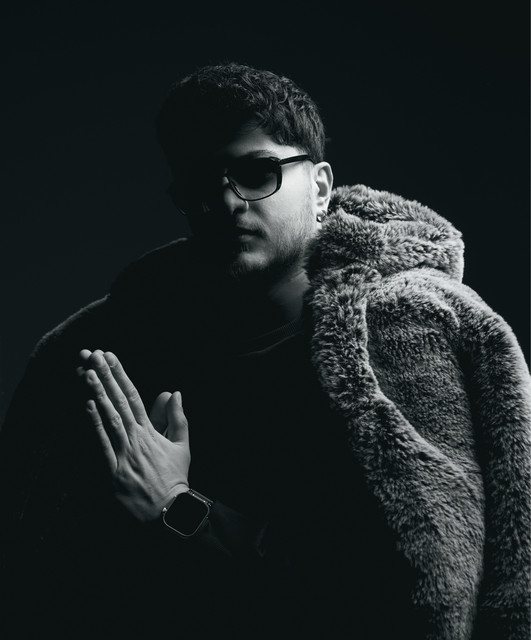
Kaan Pars
Listen
2
/5
Genres
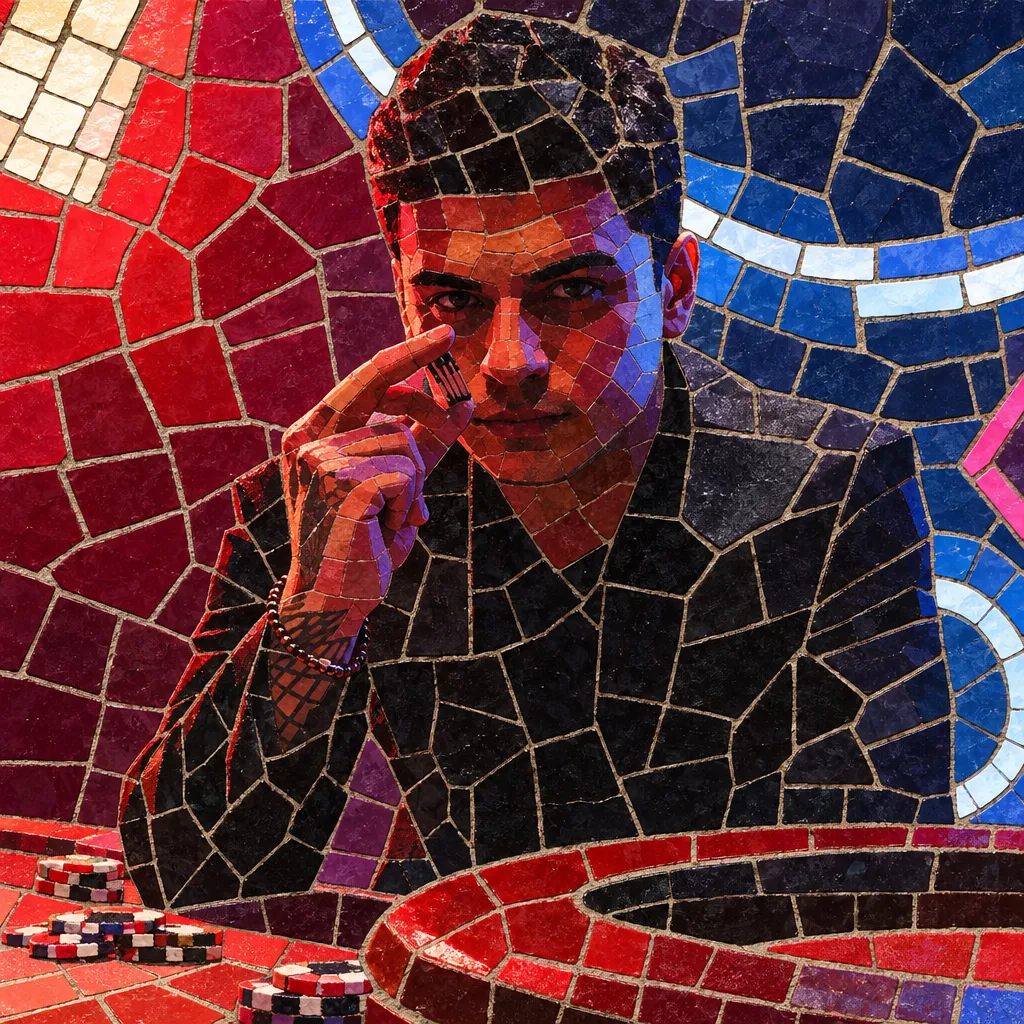
Brazilian Bass
Brazilian bass is a Brazilian-born strain of house music defined by ultra-low, rubbery basslines, sparse but punchy percussion, and moody, minimalist drops. It typically runs around 120–126 BPM, favors minor keys, and relies on tight sidechain compression so the kick and bass breathe together. The sound blends deep and tech house grooves with EDM-ready sound design, often featuring pitched-down vocals, short plucky bass stabs, and clean, uncluttered arrangements. Compared with mainstream electro or big-room, Brazilian bass is darker, more restrained, and built around a single, memorable bass motif that carries the track.
Discover
Listen
Slap House
Slap house is a pop-leaning strain of deep/house music built around a short, percussive "slap" bass that punches through the mix with aggressive sidechain compression. It typically sits between 118–125 BPM, uses simple minor-key harmony, and places a catchy topline—often a pitched‑down vocal or a cover of a familiar hit—over a sparse, club‑ready groove. The style borrows the weighty low end and rhythmic bounce of Brazilian bass while streamlining arrangements for streaming and radio. Clean four‑on‑the‑floor kicks, clipped claps on 2 and 4, and a tight, syncopated bass riff define the drop, with subtle pads, plucks, and FX in the breakdowns. Its combination of moody harmony, recognizable hooks, and dancefloor impact helped it dominate charts and TikTok/Spotify playlists in the late 2010s and early 2020s.
Discover
Listen
Tropical House
Tropical house is a mellow, melodic offshoot of deep house that blends a four-on-the-floor pulse with sun-soaked timbres like steel drums, marimba, pan flute, and warm acoustic guitar. It typically runs around 100–115 BPM, favors major-key progressions, and foregrounds breezy hooks over heavy drops, making it feel more like a summer pop record than a club banger. Vocals often carry romantic, nostalgic, or escapist themes—beaches, sunsets, and travel—while the production emphasizes soft percussion, sidechained pads, and a smooth, rolling sub. The genre rose to global prominence mid-2010s through hit remixes and crossover singles that brought house aesthetics into mainstream pop radio.
Discover
Listen
Chillstep
Chillstep is a mellow, melodic offshoot of dubstep that emphasizes atmosphere, emotion, and cinematic sound design over aggressive bass modulation. It retains dubstep’s half-time rhythmic feel but replaces abrasive wobbles with warm subs, airy pads, and gently evolving textures. Typical tracks sit around 140 BPM (often felt as a spacious 70 BPM half-time groove), blending downtempo pacing with ambient spaciousness. You’ll often hear reverb-laden vocals, delicate piano or guitar lines, soft arpeggios, and field recordings, all arranged to create a soothing, introspective mood rather than a dancefloor peak.
Discover
Listen
G-House
G-house ("gangsta house") is a club-focused fusion of house music and hip-hop, characterized by dark, low-slung basslines, shuffling house drums, and rap vocals or samples with a streetwise, West Coast swagger. Typically sitting around 120–126 BPM, it borrows the groove and arrangement discipline of deep/tech house while foregrounding the attitude and timbral aesthetics of gangsta rap and G-funk. Vocal hooks are often pitched, chopped, or looped, sitting over minimal, sub-heavy bass figures and crisp 909/808-derived percussion. The result is music that feels both sleek and menacing—built for late-night dancefloors with a noir, urban edge.
Discover
Listen
Melodic Dubstep
Melodic dubstep is a song-oriented, emotionally expressive branch of dubstep that blends the genre’s half-time drums and sound-design-heavy drops with lush chord progressions, cinematic atmospheres, and vocal-led songwriting. It typically sits around 140 BPM (often written and perceived in half-time), using supersaw stacks, plucky arps, and wide pads drawn from trance and progressive house, while retaining dubstep’s punchy kicks, snare-on-3 backbeat, and bass-focused drops. Compared to aggressive brostep, melodic dubstep prioritizes memorable toplines, warm harmonies, and dramatic builds that culminate in cathartic yet tasteful drops. It often features lyrical themes of longing, hope, and resilience, making it common in vocal collaborations and festival-ready singalongs.
Discover
Listen
Deep Euro House
Deep Euro House is a European-bred, melodically rich branch of deep house that blends club-ready four‑on‑the‑floor grooves with warm, emotive sound design and pop-aware songcraft. It favors lush pads, silky basslines, soft piano or guitar stabs, and subtly processed vocals, often in minor keys with bittersweet chord changes. Compared with classic Chicago deep house, Deep Euro House leans more cinematic and refined: filtered synth swells, sidechained textures, airy reverbs, and clean, modern low end. Tempos typically sit around 118–124 BPM, with grooves that feel unhurried yet propulsive—equally at home on late-night dancefloors and in headphone listening. The "Euro" aspect reflects not only its geography (Germany, Switzerland, France, the Netherlands, Austria, Belgium) but also a melodic sensibility shaped by European club culture, indie electronica, and Balearic moods: wistful, romantic, and polished without losing house’s foundational swing.
Discover
Listen
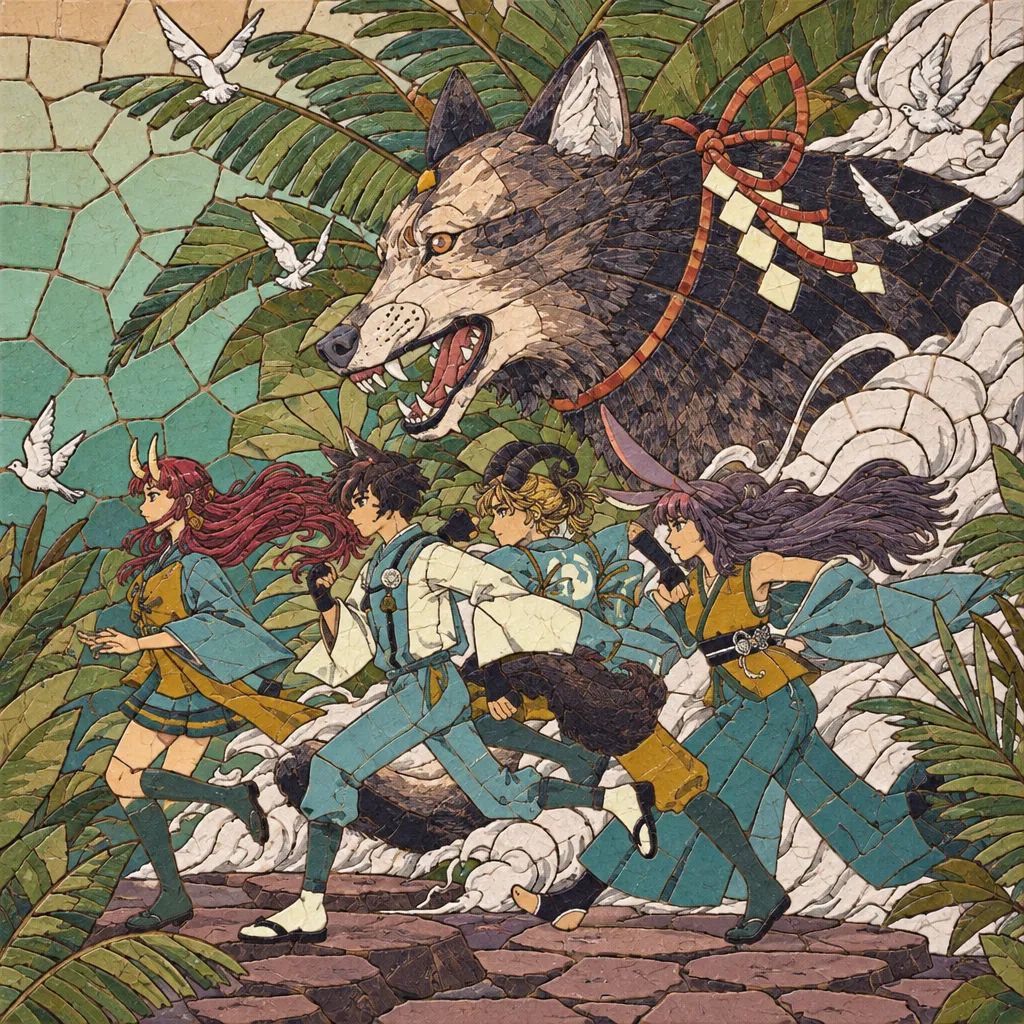
Samurai Trap
Samurai trap is a web-native microgenre of trap that fuses modern 808-driven hip hop with timbres, scales, and thematic cues associated with historical Japan ("samurai" as a catch‑all signifier). Producers layer koto, shamisen, and shakuhachi phrases, taiko‑like drum hits, and pentatonic or hirajōshi/yo‑mode gestures over contemporary trap drums and bass. The result is a cinematic, high‑contrast sound: sub‑heavy, halftime grooves and sharp percussive transients are counterbalanced by evocative, often reverb‑washed plucked strings or flutes, sword‑swoosh foley, and battle/dojo atmospherics. Visual identity (cover art, typography, and anime/chanbara references) is integral to the genre’s perception online, where it circulates through playlists, channels, and meme‑accelerated scenes.
Discover
Listen
Future House
Future house is a mid‑2010s strain of house music known for rubbery, plucked bass leads, clean and punchy drums, and streamlined, drop‑focused arrangements. It bridges the groove and warmth of deep/UK house with the sheen and impact of big‑room/electro‑house, often featuring metallic or organ‑like bass timbres that “speak” melodically. Typical tracks sit around 124–128 BPM, use tight sidechain compression for a pumping feel, and contrast sparse, atmospheric breakdowns with hooky, syncopated bass drops. Vocals, when present, are concise—often chopped or pitched—and the sound design emphasizes clarity, swing, and a modern, club‑ready polish.
Discover
Listen
New Americana
New Americana is a 2010s wave of roots-informed indie that blends the songwriting and instrumentation of classic Americana with the hooks and production polish of contemporary pop and alternative rock. It typically features acoustic guitars, banjo or mandolin accents, warm vocal harmonies, and organic percussion, while also embracing modern elements like atmospheric pads, tasteful compression, and stadium-ready choruses. Lyrically, it favors intimate storytelling about place, identity, love, and resilience, often delivered with an earnest, nostalgic tone that balances hope with a soft melancholy. What distinguishes New Americana from classic Americana and 1990s alt-country is its streaming-era sheen, crossover sensibility, and a tendency to fuse roots textures with indie pop structures and festival-sized dynamics.
Discover
Listen
Covertronica
Covertronica is a microgenre centered on electronically produced cover versions of well‑known songs. Artists retain the recognizability of the original melodies and hooks, but reimagine them with contemporary electronic palettes—glossy synths, side‑chained pads, drum machines, 808s, and modern pop/EDM production. The style thrives on clever reharmonization (e.g., minor/major flips), tempo shifts, and textural redesign, often translating rock, soul, or classic pop into sleek electropop/indietronica frameworks. Vocals are typically polished and upfront, with stacked harmonies, tight autotune as a color (when desired), and arrangement tricks such as filtered intros, half‑time drops, and breakdowns that mirror club and synth‑pop dynamics. Because the repertoire comes from existing songs, covertronica is as much about curatorial taste and arrangement craft as it is about sound design, making it a meeting point between DJ culture’s recontextualization and the singer‑producer era of the internet.
Discover
Listen
Deep Hardcore
Deep hardcore is a strain of the European hardcore techno continuum that emphasizes weighty, sub‑focused kick drums, brooding atmospheres, and restrained, hypnotic groove over the catchy leads or scream‑y excess of mainstyle or uptempo hardcore. Typically running around 150–165 BPM in 4/4, it keeps the genre’s hallmark distorted kick at the center, but sculpts it with longer, bass‑heavy tails, layered transient clicks, and minimal, industrial percussion. Pads, drones, and cavernous reverbs create a shadowy space, while dissonant stabs, metallic textures, and field‑recorded noise add depth. The result is hardcore built for late‑night warehouses: more head‑down and immersive than festival‑big, yet unmistakably heavy and dance‑driven.
Discover
Listen
Show all 12 genres
Similar artists
Hide discovered
4
/5
INNA
Electronic
Pop
Europop
4
/5
felix jaehn
German Dance
Tropical House
Electronic
3
/5
Boehm
Tropical House
Brazilian Bass
Slap House
4
/5
Alok
Brazilian Bass
Electronic
Electro House
4
/5
R3HAB
Dutch House
Electro House
Edm
3
/5
KiLLTEQ
Hyper Techno
Slap House
Tropical House
2
/5
Niklas Long
Slap House
Tropical House
1
/5
BigBen
Afrikaans Pop
Brazilian Bass
Slap House
5
/5
Tiësto
Dance
Trance
Brostep
4
/5
Ofenbach
Dance
House
Slap House
Download our mobile app
Get the Melodigging app and start digging for new genres on the go
Download on the App Store
Get it on Google Play
© 2026 Melodigging
Give feedback
About & FAQ
Legal
Melodding was created as a tribute to
Every Noise at Once
, which inspired us to help curious minds keep digging into music's ever-evolving genres.