Genres
Artists
Albums
Make Music
Sign in
Sign in
Artists
Brazilian Jazz
Artists
Brazilian Jazz
Jo Basile
1957–1959
·
3 albums
Listen
1
/5
Genres
Brazilian Jazz
Brazilian jazz is the meeting point of Brazilian popular music and North American jazz, blending samba and bossa nova rhythms with jazz harmony, improvisation, and ensemble interaction. The style typically features syncopated Brazilian grooves (samba, bossa, partido‑alto) under extended jazz chord voicings and lyrical melodies. Acoustic guitar or piano often supplies a gently propulsive, off‑beat rhythmic bed, while bass and drums translate samba’s surdo and pandeiro patterns to the jazz rhythm section. Timbres range from intimate (nylon‑string guitar, brushed drum kit, flute) to expansive (full percussion batteries, horns, and electric keys). The overall feel can be both laid‑back and danceable—romantic yet harmonically sophisticated.
Discover
Listen
Exotica
Exotica is a mid‑century style of mood music that blends jazz harmony, easy‑listening orchestration, and a collage of global percussion and timbral signifiers meant to evoke imaginary tropical, Polynesian, Asian, African, and Latin locales. Characterized by vibraphone and marimba leads, lush strings, woodwinds, wordless vocals, bird calls, gongs, and abundant reverberation, it creates a cinematic “armchair travel” experience. Rather than documenting specific traditions, exotica assembles stylized sound cues—Afro‑Cuban grooves, Polynesian drum patterns, pentatonic and whole‑tone colors—into atmospheric mini‑dramas. The genre flourished alongside postwar tiki culture and hi‑fi/stereo demonstrations, prioritizing vivid spatial staging and evocative orchestration over virtuoso soloing.
Discover
Listen
Swing Musette
Swing musette is a French dance-music style that blends the accordion-led bal-musette tradition with the rhythmic feel, harmony, and improvisational language of swing-era jazz. Centered in Parisian dance halls and cafés, it features the chromatic accordion (often with "musette" wet tuning), manouche-style acoustic guitars, violin or clarinet, and double bass. The repertoire typically includes waltzes in 3/4 that are phrased with a swing feel (often called valse swing or valse musette), as well as lively 4/4 numbers influenced by big-band swing. Harmonically, it adapts jazz progressions (ii–V–I, turnarounds, secondary dominants, diminished passing chords) to the lyrical, nostalgic melodies of musette, resulting in music that is at once danceable, sophisticated, and distinctly Parisian.
Discover
Listen
Musette
Musette is a Paris-born dance and popular music style centered on the accordion and characterized by lilting waltzes, lively polkas, and sentimental melodies. It emerged in the working-class dance halls (bal-musette) of late 19th- and early 20th-century Paris, where Auvergnat bagpipers and Italian accordionists fused rural dance forms with urban nightlife. Its signature sound comes from tremolo-rich “musette” accordion tuning, which creates a shimmering, slightly detuned chorus effect. The repertoire includes valse-musette (3/4), java, polka, and mazurka, often played at brisk tempos with an infectious, dancing pulse and emotive, nostalgic lyricism. At once convivial and romantic, musette became a pillar of French popular culture, later intersecting with chanson and jazz (notably via manouche/gypsy jazz), and remains a touchstone for accordion music worldwide.
Discover
Listen
Pasodoble
Pasodoble is a fast, duple‑meter (2/4) march‑like music and its corresponding two‑step couple dance. It originated as a double‑time military march and later became a distinct Spanish popular genre. Typically performed by brass and wind bands with crisp snare drum patterns, pasodobles move at about 120–132 beats per minute (historically aligning with 120 infantry steps per minute). Over the 19th and early 20th centuries it separated from purely military use and became strongly associated with bullfighting, where it accompanies ceremonial entries and dramatic moments in the ring. Musically, pasodobles favor clear, fanfare‑like melodies, major keys with Iberian modal color (occasional Phrygian cadences), dotted rhythms, and sharply accented downbeats. In dance and festival contexts, phrases are structured to cue dramatic poses and crowd responses.
Discover
Listen
Albums
1959
1
/5
Accordion D'españa
Jo Basile
Pasodoble
1957
1
/5
Accordion de Paris
Jo Basile
Musette
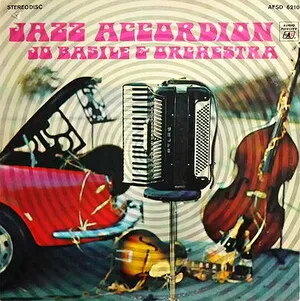
Jazz Accordion
Jo Basile
Swing Musette
Similar artists
3
/5
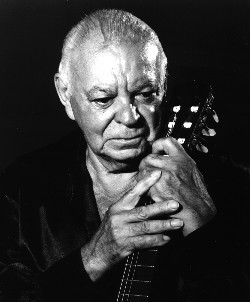
Laurindo Almeida
Bossa Nova
Brazilian Jazz
Exotica
3
/5
Lalo Schifrin
Brazilian Jazz
Exotica
Spy Music
3
/5
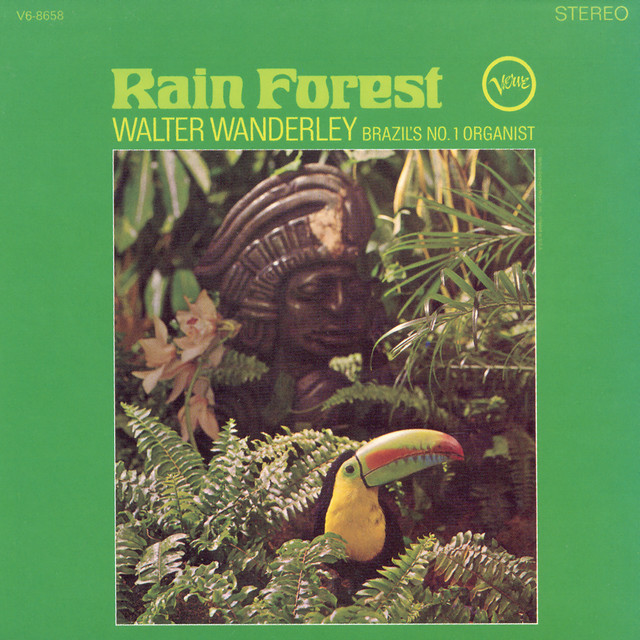
Walter Wanderley
Bossa Nova
Space Age Pop
Brazilian Jazz
3
/5
Cal Tjader
Exotica
Jazz
Mambo
2
/5
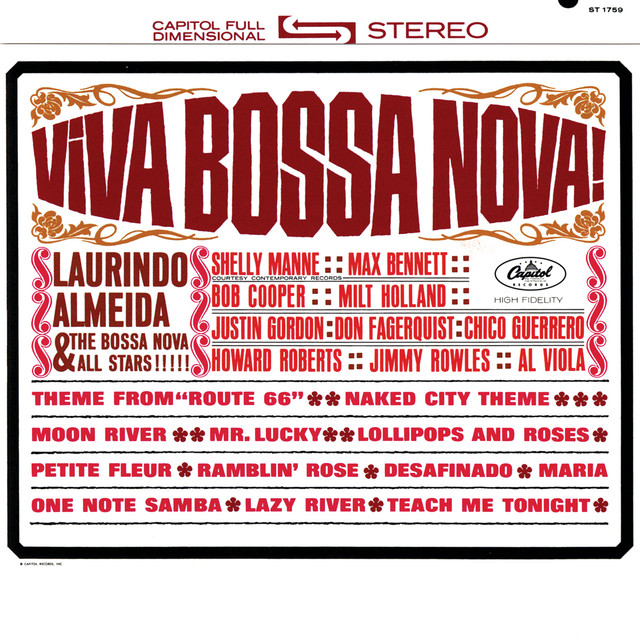
The Bossa Nova All Stars
Bossa Nova
Brazilian Jazz
Exotica
2
/5
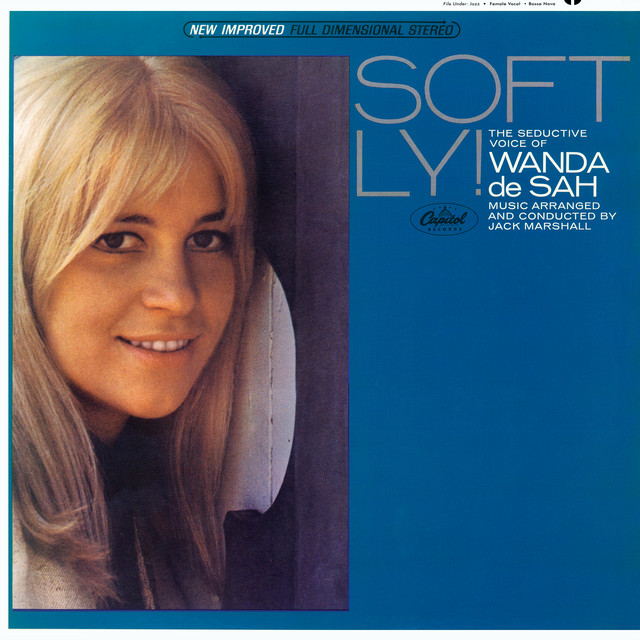
Wanda De Sah
Bossa Nova
Brazilian Jazz
Exotica
1
/5
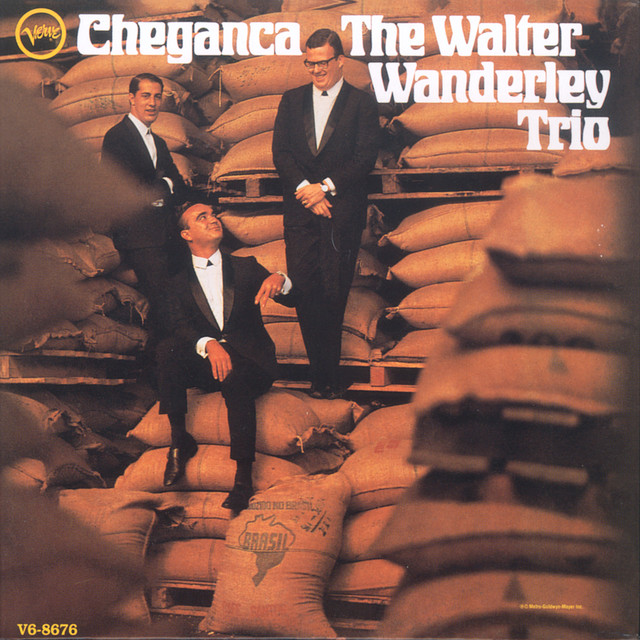
Walter Wanderley Trio
Bossa Nova
Brazilian Jazz
Exotica
1
/5
Zimbo Trío
Brazilian Jazz
Exotica
Latin Jazz
2
/5
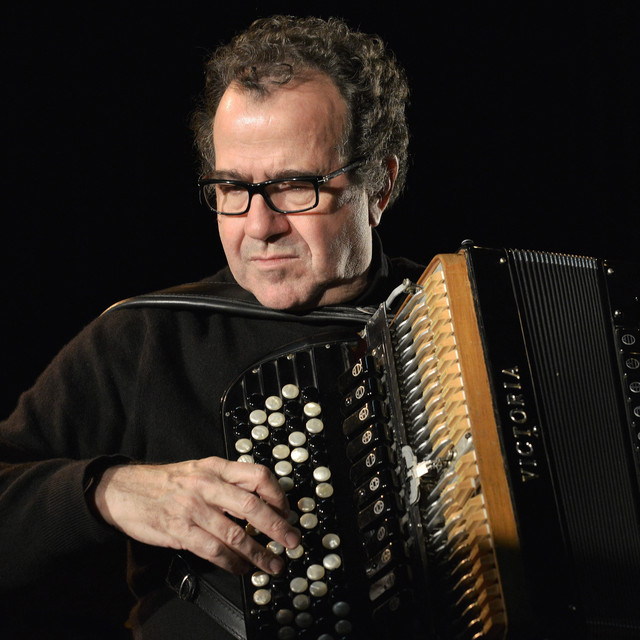
Richard Galliano
French Jazz
Jazz
Musette
2
/5
Zazou
French Jazz
Swing Musette
Musette
Download our mobile app
Get the Melodigging app and start digging for new genres on the go
Download on the App Store
Get it on Google Play
© 2026 Melodigging
Give feedback
Legal
Melodding was created as a tribute to
Every Noise at Once
, which inspired us to help curious minds keep digging into music's ever-evolving genres.