Genres
Artists
Albums
Make Music
Sign in
Sign in
Artists
Folclor Andino
Artists
Folclor Andino
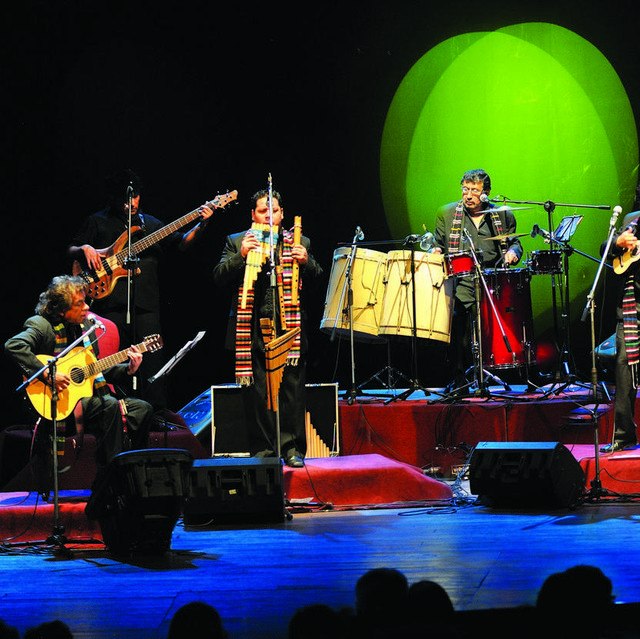
INCA, the Peruvian Ensemble
Listen
2
/5
Genres
Folclor Andino
Folclor andino is the pan‑regional folk music of the Andean highlands, shaped by Indigenous Quechua and Aymara traditions and later mestizo influences. It centers on wind instruments such as quena (notched flute) and zampoña/siku (panpipes), the small 10‑string charango, guitar, and deep hand‑drummed bombos, producing bright timbres over earthy rhythms. Melodically it favors pentatonic and natural minor (Aeolian/Dorian) scales, parallel thirds, antiphonal hocketing between panpipe parts, and cyclical ostinatos. Repertoire often draws from regional forms like huayno, yaraví, carnavalito, and related highland dances, with lyrics that invoke the mountains, Pachamama (Mother Earth), love, migration, and social realities. As a modern stage and recording genre, folclor andino coalesced mid‑20th century when urban ensembles standardized instrumentation and performance, later intersecting with nueva canción’s socially engaged aesthetics and spreading globally through tours and world‑music circuits.
Discover
Listen
Latin Folk
Latin folk is a broad umbrella for singer‑songwriter and ensemble music that draws on traditional folk forms from across Latin America while presenting them in contemporary, often acoustically driven arrangements. It emphasizes storytelling, social and poetic lyricism, and the timbres of regional instruments such as the guitar, charango, quena, zampoña, cuatro, and bombo legüero. Rhythmic cells are borrowed from pan‑regional traditions (chacarera, cueca, zamba, huayno, joropo, son, and others), yet songs are commonly shaped in accessible verse‑chorus structures. While its roots are centuries old, the modern genre coalesced during the mid‑20th‑century folk revival and the Nueva Canción movements, which linked ancestral sounds with contemporary concerns such as identity, justice, and cultural memory.
Discover
Listen
Folk
Folk is a song-centered acoustic tradition rooted in community storytelling, everyday life, and social history. It emphasizes clear melodies, simple harmonies, and lyrics that foreground narrative, protest, and personal testimony. As a modern recorded genre, folk coalesced in the early-to-mid 20th century in the United States out of older ballad, work song, and rural dance traditions. It typically features acoustic instruments (guitar, banjo, fiddle, mandolin, harmonica), strophic song forms, and participatory singing (choruses, call-and-response).
Discover
Listen
Huayno
Huayno (Quechua: waynu/wayno) is a traditional Andean music and dance style that took modern shape in the Peruvian highlands and spread across Bolivia and Ecuador. It is marked by brisk duple-meter rhythms with a strong downbeat, bright pentatonic melodies, and emotive vocals often sung in Quechua and Spanish. Typical ensembles feature charango and guitar strumming patterns, soaring quena (Andean flute) and siku (panpipes), lyrical violin or harp lines, and driving bombo or wankara drum pulses. The dance uses lively stomping steps and turns, reflecting festive community gatherings, courtship, and rural life. Regional variants include the fast, celebratory Huaylas (central highlands), the yaraví-inflected, tender huayno ayacuchano (Ayacucho), and the panpipe- and charango-rich wayno sureño (Cusco–Puno). Lyrical themes span love and longing, migration, indigenous pride, and everyday joys and hardships.
Discover
Listen
Native American Music
Native American music encompasses the diverse vocal and instrumental traditions of the Indigenous peoples of North America. It is primarily voice-centered, with communal singing supported by large powwow drums, hand/frame drums, water drums, rattles, and the Native American flute. Melodies often use pentatonic or anhemitonic scales and feature terraced (descending) contour, vocables (non-lexical syllables) alongside texts in Indigenous languages, and cyclic repetition in sets of 4 (reflecting cultural symbolism). Music serves ceremonial, social, healing, and storytelling functions, and is inseparable from dance and regalia. While distinct regional styles exist (Plains powwow, Southwestern Pueblo/Navajo, Great Basin, Northwest Coast polyphony, Inuit throat singing, Southeastern stomp dance traditions), all emphasize community participation, spiritual intention, and strong rhythmic grounding. Contemporary scenes range from traditional powwow and peyote songs to modern fusions that respect traditional aesthetics while engaging new forms.
Discover
Listen
Similar artists
2
/5
Alborada
Folclor Andino
Huayno
Latin Folk
2
/5
Inkuyo
Folclor Andino
Huayno
Latin Folk
1
/5
Inti Mujus
Folclor Andino
Huayno
Latin Folk
3
/5
Los Kjarkas
Huayno
Latin Folk
Conjunto Andino
3
/5
William Luna
Huayno
Latin Folk
Folclor Andino
3
/5
Antologia
Folclor Andino
Huayno
Latin Folk
3
/5
Pelo D'Ambrosio
Folclor Andino
Huayno
Latin Folk
3
/5
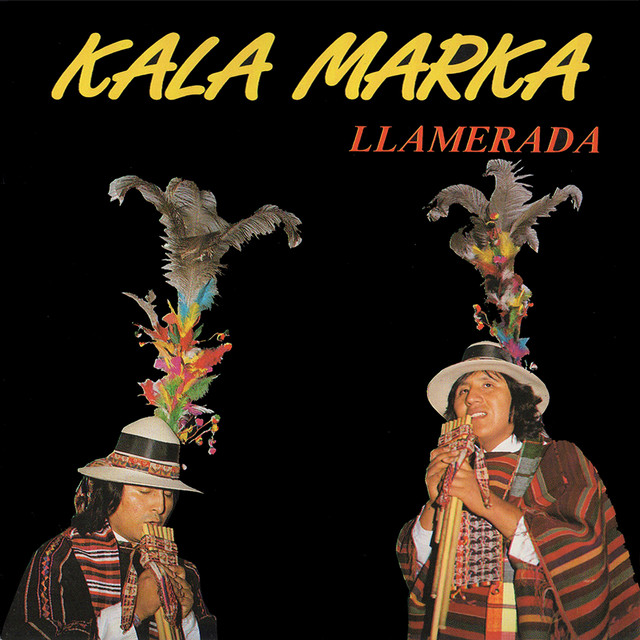
Kala Marka
Folclor Andino
Huayno
Latin Folk
3
/5
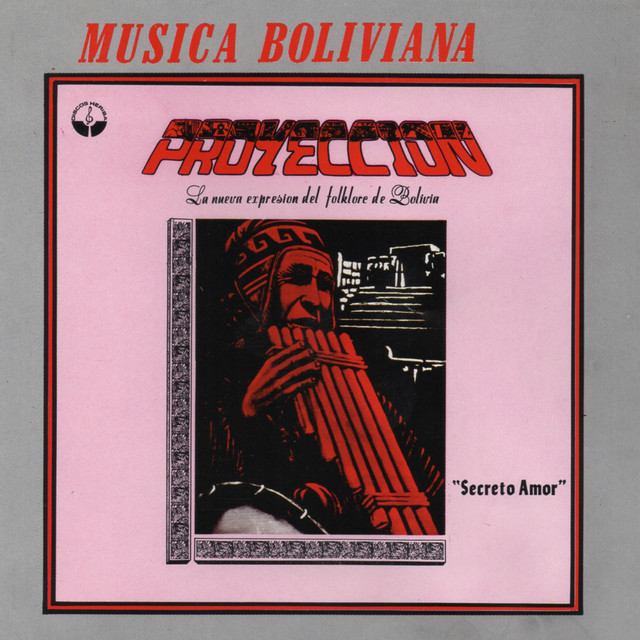
Proyección
Folclor Andino
Huayno
Latin Folk
3
/5
Savia Andina
Conjunto Andino
Folclor Andino
Huayno
Download our mobile app
Get the Melodigging app and start digging for new genres on the go
Download on the App Store
Get it on Google Play
© 2026 Melodigging
Give feedback
Legal
Melodding was created as a tribute to
Every Noise at Once
, which inspired us to help curious minds keep digging into music's ever-evolving genres.