Genres
Artists
Albums
Make Music
Sign in
Sign in
Artists
Oyun Havasi
Artists
Oyun Havasi
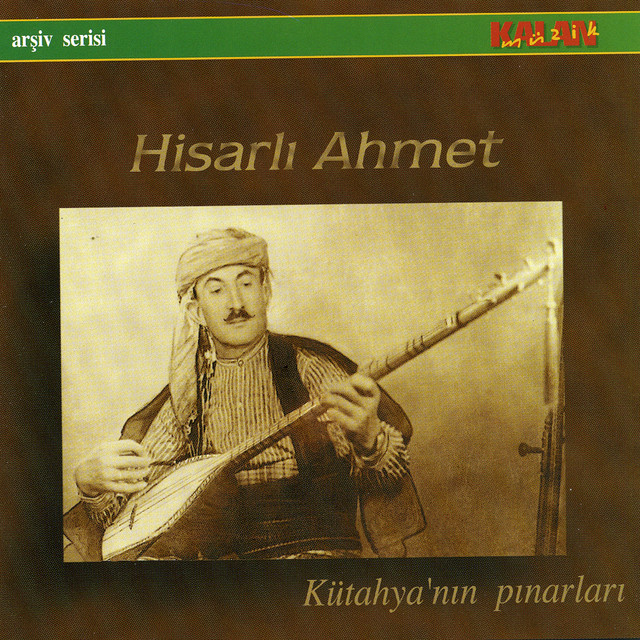
Hisarli Ahmet
1997
·
1 album
Listen
1
/5
Genres
Traditional Music
Traditional music is an umbrella term used in the mid–20th century by folklorists and ethnomusicologists to denote community-rooted, orally transmitted repertoires tied to social ritual, work, celebration, and storytelling. Unlike commercial pop or art-music traditions, traditional music is typically learned by ear, varies regionally, and evolves slowly through communal participation. It often features modal melodies, cyclic rhythms, heterophony or unison singing, and indigenous instruments whose timbres are integral to local identity. Lyrics tend to preserve language, history, and collective memory. While the musical practices themselves can be ancient, the phrase “traditional music” emerged to replace earlier, narrower or colonial framings like “folk” or “ethnic” music, foregrounding continuity, locality, and living practice rather than exoticism.
Discover
Listen
Oyun Havasi
Oyun havası (literally “dance tune”) is a broad Turkish term for lively, groove‑driven pieces played for social dancing at weddings and festive gatherings. It is most closely associated with clarinet‑led urban/Thracian (Rumeli) and Turkish Roma (Roman) ensembles, as well as rural zurna–davul bands. Typical meters include the asymmetrical 9/8 “aksak” (especially the karşılama groupings 2+2+2+3), alongside 2/4 or 4/4 çiftetelli and occasional 6/8. Melodies often follow the makam (modal) system, with ornamented, vocal‑like phrasing and exuberant percussion patterns that keep dancers moving. Instrumentation commonly features clarinet, davul (bass drum), darbuka/tef (frame drum/riq), zurna, violin, kanun, ud, cümbüş, and bağlama. In urban settings, taksim (improvised preludes) may introduce the tune before the main dance sections. The overall feel is festive, flirtatious, and highly rhythmic, encouraging call‑and‑response energy between musicians and dancers.
Discover
Listen
Baglama
Baglama refers to the musical tradition centered on the bağlama (saz), the long‑necked lute that is the emblematic instrument of Turkish folk music. Its repertoire includes metered dance songs (kırık hava) and free‑rhythm laments (uzun hava), Alevi‑Bektaşi devotional forms (nefes, deyiş, semah), ashik (âşık) poet‑singer ballads, and countless regional türkü. Musically it blends folk modal practice (ayaklar) related to Ottoman/Turkish makam (e.g., Hüseynî, Uşşak, Rast) with asymmetrical “aksak” meters (9/8, 7/8, 5/8) and common simple meters (2/4, 4/4, 6/8). Signature regional grooves include zeybek (slow, dignified 9), halay (line dances), horon (brisk Black Sea patterns), and semah (Alevi ritual cycles). Technique ranges from plectrum playing (tezene) with ringing drones to virtuosic fingerstyle (şelpe) that turns the bağlama into a polyphonic rhythm‑melody engine. The instrument family spans cura (small, bright), standard bağlama/tambura, and divan saz (large, deep), enabling solo storytelling, duet counter‑lines, and layered ensemble textures.
Discover
Listen
Albums
1997
Kütahya'nın Pınarları
Hisarli Ahmet
Baglama
Similar artists
Hide discovered
2
/5
Muharrem Ertaş
Arabesk
Oyun Havasi
Traditional Music
2
/5
Celal Bakar
Oyun Havasi
Traditional Music
1
/5
Sinan Çelik
Oyun Havasi
Traditional Music
1
/5
Remzi Uzgidim
Oyun Havasi
Traditional Music
1
/5
Zeki Adsız
Oyun Havasi
Traditional Music
1
/5
Zafer Dev
Oyun Havasi
Traditional Folk
Traditional Music
1
/5
Cemil Akbey
Arabesk
Oyun Havasi
Traditional Music
2
/5
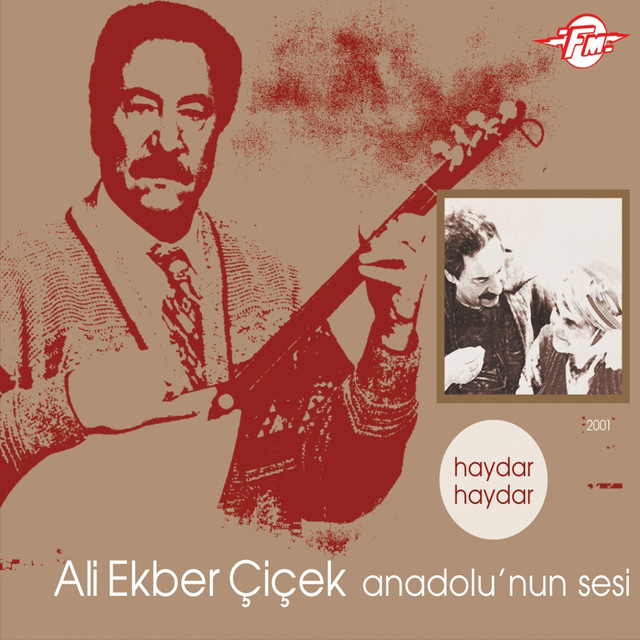
Ali Ekber Çiçek
Alevi Folk Music
Arabesk
Karadeniz Folk
2
/5
İsmail Altunsaray
Arabesk
Karadeniz Folk
Oyun Havasi
2
/5
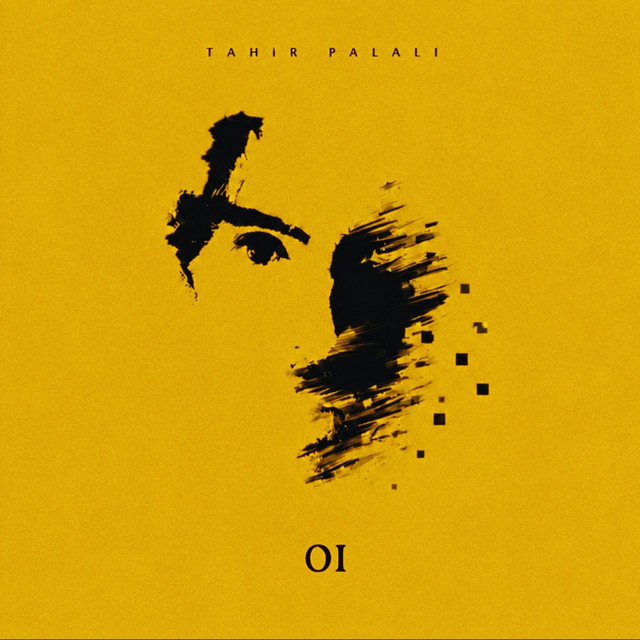
Tahir Palalı
Traditional Music
Baglama
Download our mobile app
Get the Melodigging app and start digging for new genres on the go
Download on the App Store
Get it on Google Play
© 2026 Melodigging
Give feedback
About & FAQ
Legal
Melodding was created as a tribute to
Every Noise at Once
, which inspired us to help curious minds keep digging into music's ever-evolving genres.