Genres
Artists
Albums
Make Music
Sign in
Sign in
Artists
Kuduro Antigo
Artists
Kuduro Antigo
Helder Rei Do Kuduro
2003–2015
·
2 albums
Listen
2
/5
Genres
Urban Kiz
Urban Kiz is a contemporary, club-oriented offshoot of kizomba that took shape in Europe—especially in Paris—in the early-to-mid 2010s. It adapts the sensual, close-connection feel of kizomba to straighter, trap- and R&B-influenced beats with pronounced bass lines, crisp hi‑hats, and engineered breaks that suit the stop‑and‑go aesthetics of Urban Kiz social dancing. Musically, it favors 4/4 grooves around 88–102 BPM, less of the lilting/zouk swing found in classic kizomba, and more linear phrasing with dramatic drops, filters, and space for micro-pauses. Vocals (often in Portuguese, French, Cape Verdean Creole, or English) may be original toplines, sampled phrases, or R&B‑style hooks layered over sleek electronic production. Producers frequently label releases or remixes specifically for "Urban Kiz" floors, reinforcing the genre’s identity within the partner‑dance scene.
Discover
Listen
Kuduro Antigo
Kuduro antigo (literally “old-school kuduro”) refers to the raw, early form of Angolan kuduro that took shape in Luanda during the 1990s and early 2000s. It is characterized by fast, driving tempos (typically 135–150 BPM), heavy drum-machine patterns, chopped vocal shouts, and minimal, abrasive synth riffs. The grooves emphasize syncopated kicks and claps that interlock with toms and hand-percussion samples, producing a relentless, dance-forward thrust. Vocals are often shouted or chanted in Portuguese and local Angolan slang, using call-and-response hooks, dance commands, humor, and street commentary. Production is intentionally stark and percussive, favoring impact over lush harmony, which gives kuduro antigo its distinctive, high-energy club sound.
Discover
Listen
Batida
Batida is a percussion‑driven, sample‑heavy club style from Angola that foregrounds syncopated drum patterns and looped rhythm figures over minimal harmony. Its name literally means “beat,” and the music prioritizes groove, energy, and dancefloor momentum. Initially assembled by bedroom producers and DJs in Luanda using drum machines and samplers, Batida drew on imported Caribbean records and local dance culture. The result is a hard‑edged, uptempo sound that sits between soca and zouk rhythms and the raw, DIY aesthetics that later fed into Angolan and Lusophone diaspora club styles.
Discover
Listen
Funaná
Funaná is a fast, accordion-driven dance music from the island of Santiago in Cape Verde. It is built around the diatonic accordion (locally called gaita) and the ferrinho, a scraped metal rod that supplies an unrelenting, syncopated rhythm. The style is exuberant, rural in origin, and often features social commentary sung in Cape Verdean Creole. Traditionally, funaná was played at community gatherings and dances, with melodies that move briskly over simple harmonic progressions while the ferrinho and hand percussion lock in a propulsive 2/4 pulse. In its contemporary form, the genre frequently adds electric bass, drum kit, and keyboards, retaining the core energy while expanding its sound for modern stages.
Discover
Listen
Albums
2015
2
/5
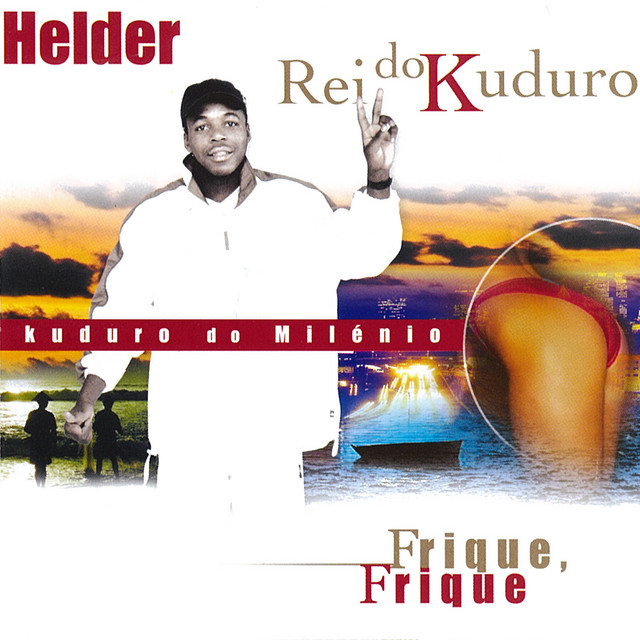
Frique Frique
Helder Rei Do Kuduro
Kuduro Antigo
Funaná
Batida
2003
2
/5
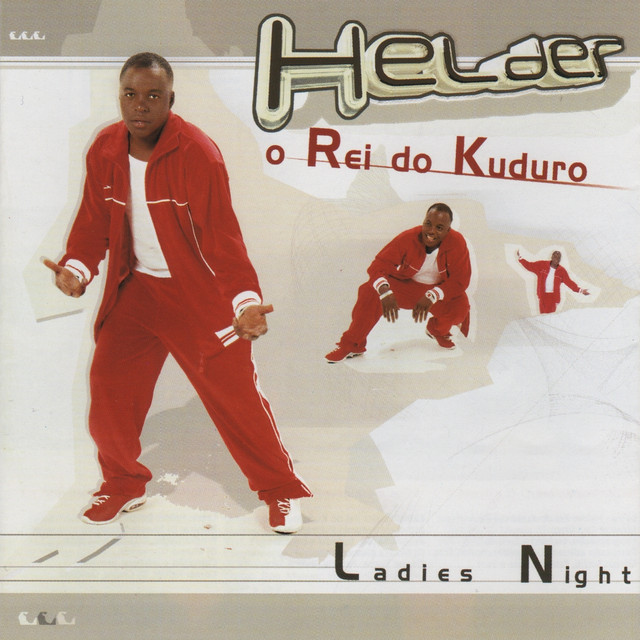
Ladies Night
Helder Rei Do Kuduro
Kuduro Antigo
Similar artists
3
/5
Buraka Som Sistema
Kuduro
Kuduro Antigo
Batida
2
/5
Bruno M
Kuduro Antigo
Batida
2
/5
Noite & Dia
Kuduro Antigo
Batida
3
/5
Deejay Telio
Batida
Funaná
Brazilian Trap
1
/5
Scúru Fitchádu
Batida
Funaná
Cape Verdean Music
2
/5
Miguel Buila
Kuduro Antigo
2
/5
Os Lambas
Kuduro Antigo
Afro House
Kuduro
2
/5
Rei Helder
Kuduro Antigo
Urban Kiz
2
/5
Nsimba Reoboth
Kuduro Antigo
2
/5
Sebem
Afro House
Kizomba
Kuduro
Download our mobile app
Get the Melodigging app and start digging for new genres on the go
Download on the App Store
Get it on Google Play
© 2026 Melodigging
Give feedback
Legal
Melodding was created as a tribute to
Every Noise at Once
, which inspired us to help curious minds keep digging into music's ever-evolving genres.