Genres
Artists
Albums
Make Music
Sign in
Sign in
Artists
Lovers Rock
Artists
Lovers Rock
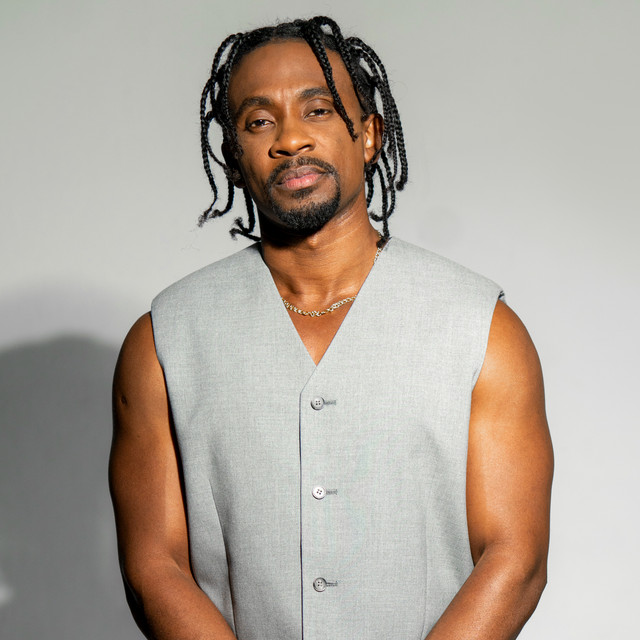
Gyptian
2015–2025
·
3 albums
Listen
4
/5
Genres
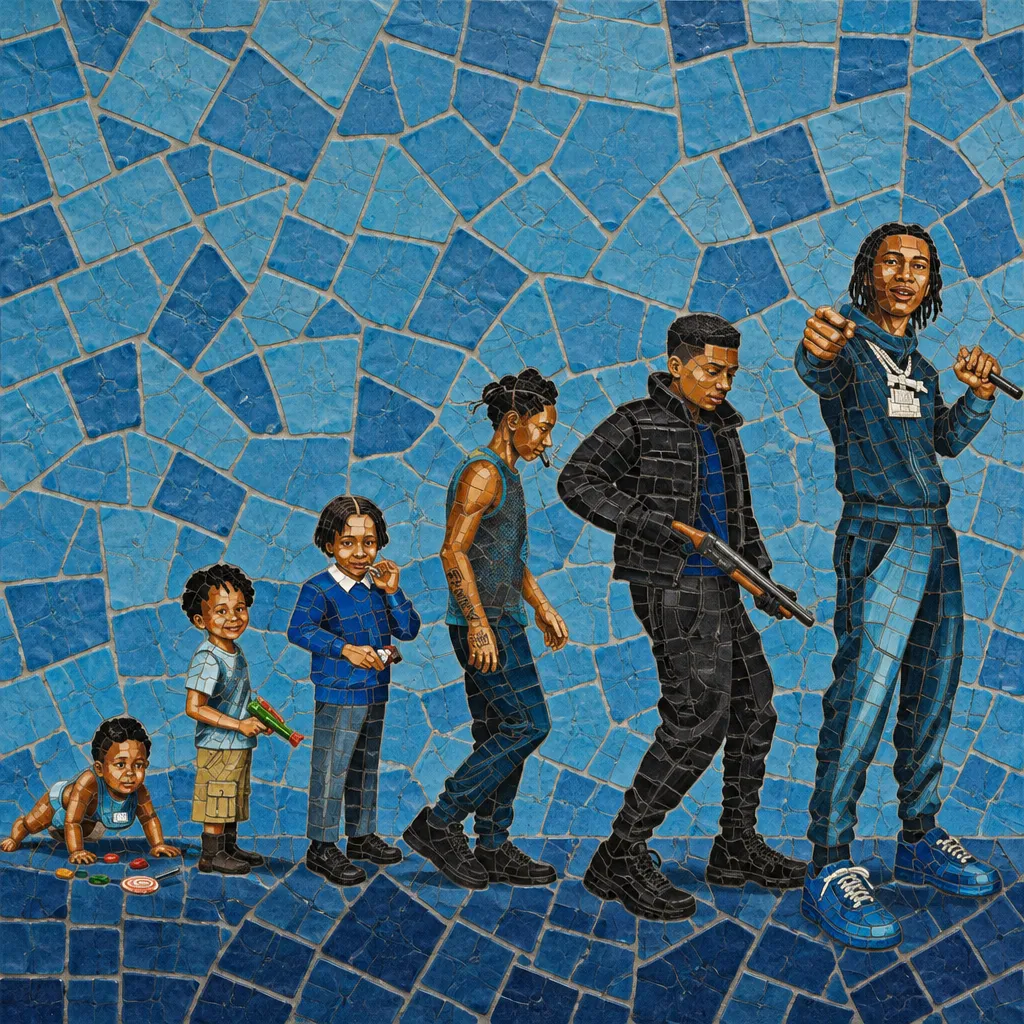
Bronx Drill
Bronx drill is a borough-specific strain of New York drill that surged in the early 2020s, centered in the Bronx, United States. It keeps the hard-edged, street-reportage DNA of drill but pushes the energy into rowdy, chant-heavy hooks, rapid-fire ad‑libs, and tightly packed verses that often feature back‑and‑forth exchanges between crew members. A hallmark of Bronx drill is the widespread use of "sample drill" production: recognizable pop, R&B, or early‑2000s hits are pitched up, sped up, and chopped over sliding 808s, skittering hi‑hats, and the syncopated snare placements typical of drill. The result is a striking contrast—bright, nostalgic samples sitting on top of brooding low end and aggressive delivery—creating a sound that is both catchy for virality and uncompromising in attitude.
Discover
Listen
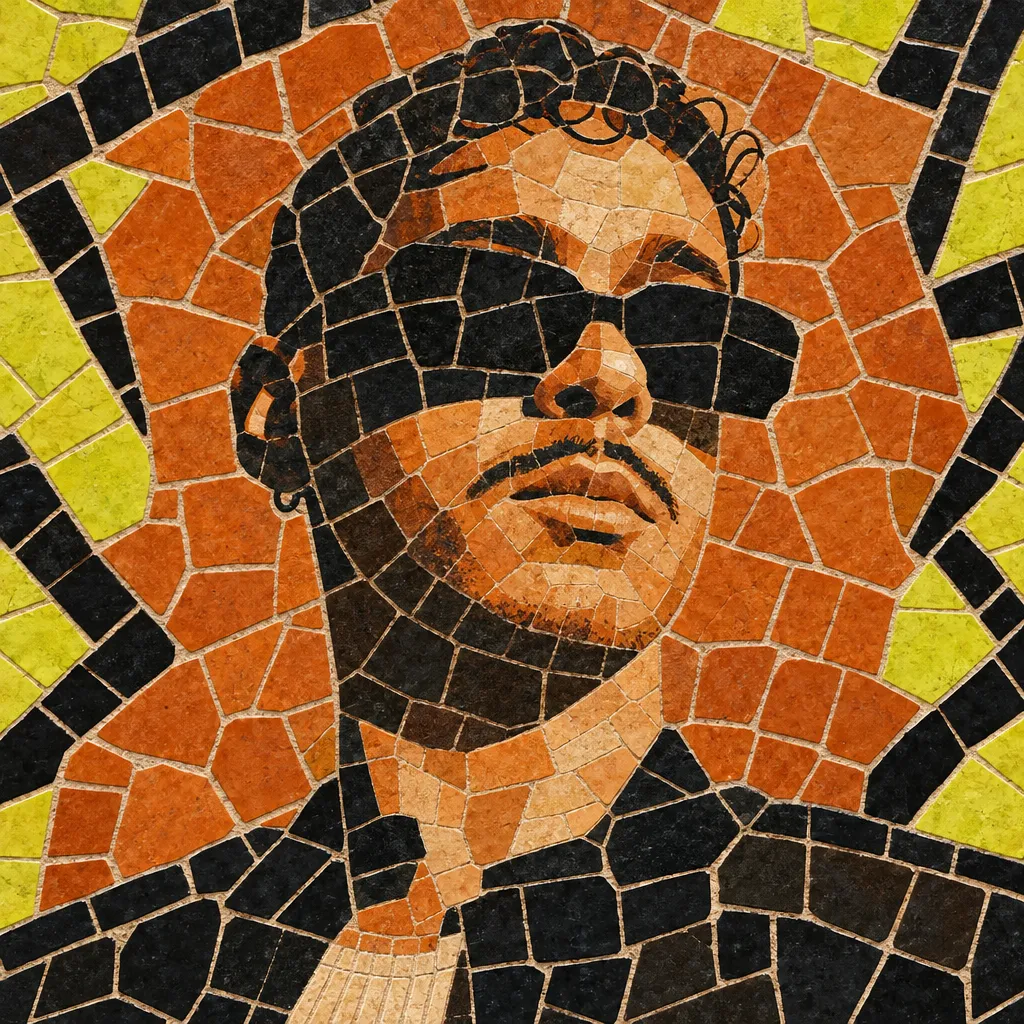
Afropiano
Afropiano is a contemporary fusion that marries the songwriting, vocal phrasing, and rhythmic sensibilities of West African Afrobeats with the deep, percussive textures of South Africa’s Amapiano. It retains Amapiano’s signature log drum bass, shaker-led swing, and soulful pads, while adopting Afrobeats’ catchy hooks, call-and-response choruses, and concise, radio-friendly structures. The result is a warm, dance-floor-oriented sound with mid-tempo grooves, plush jazz/house harmonies, and lyrics that often blend English, Nigerian Pidgin, and local languages.
Discover
Listen
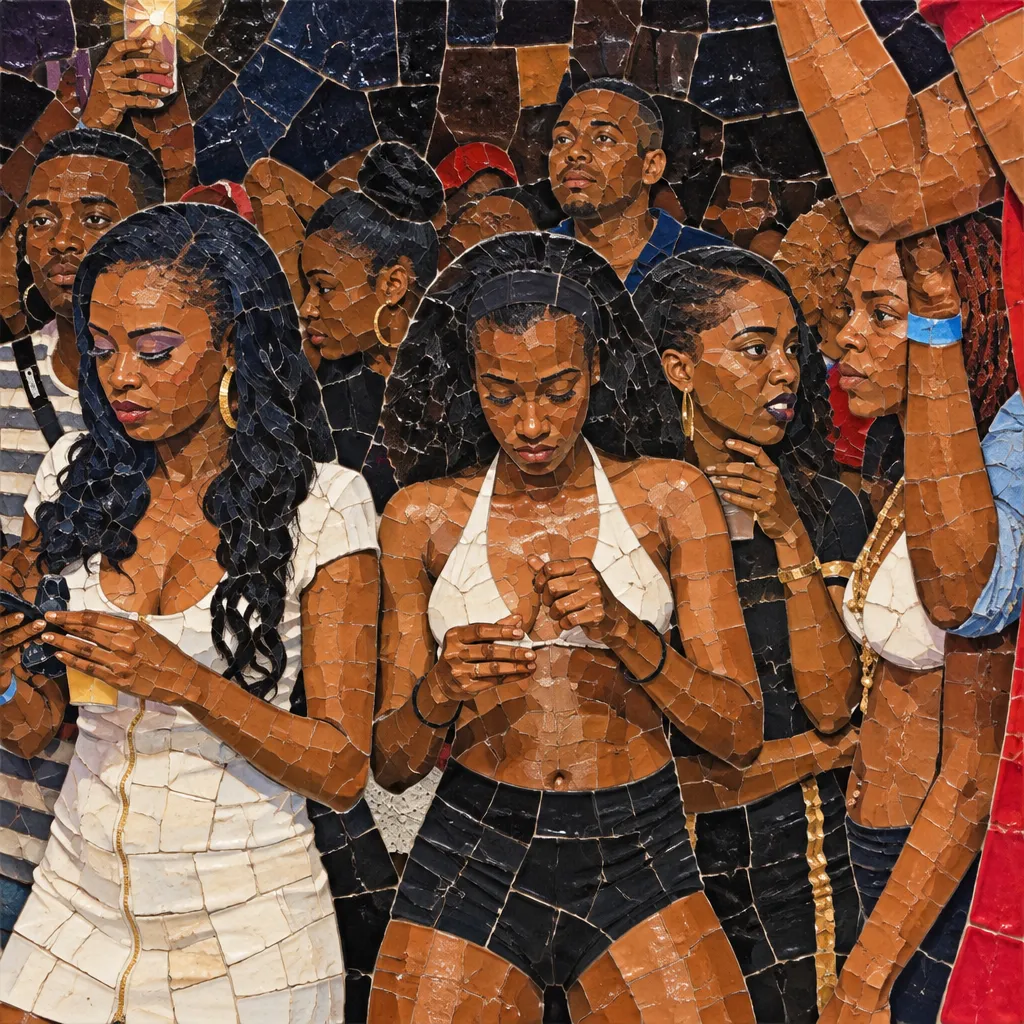
Liquid Riddim
Liquid riddim is a melodic, atmospheric strain of riddim dubstep that fuses the sparse, half‑time bounce and call‑and‑response bass writing of riddim with the lush pads, emotive chord progressions, and airy textures of liquid drum and bass. Compared with heavier festival riddim, liquid riddim favors fluid, legato bass timbres, glassy arpeggios, and generous reverb and delay. The result is a sound that remains dance‑floor friendly at 140 BPM yet leans introspective, dreamy, and sentimental, often using water‑like foley, silky supersaw layers, and soft vocal chops to enhance its “liquid” aesthetic.
Discover
Listen
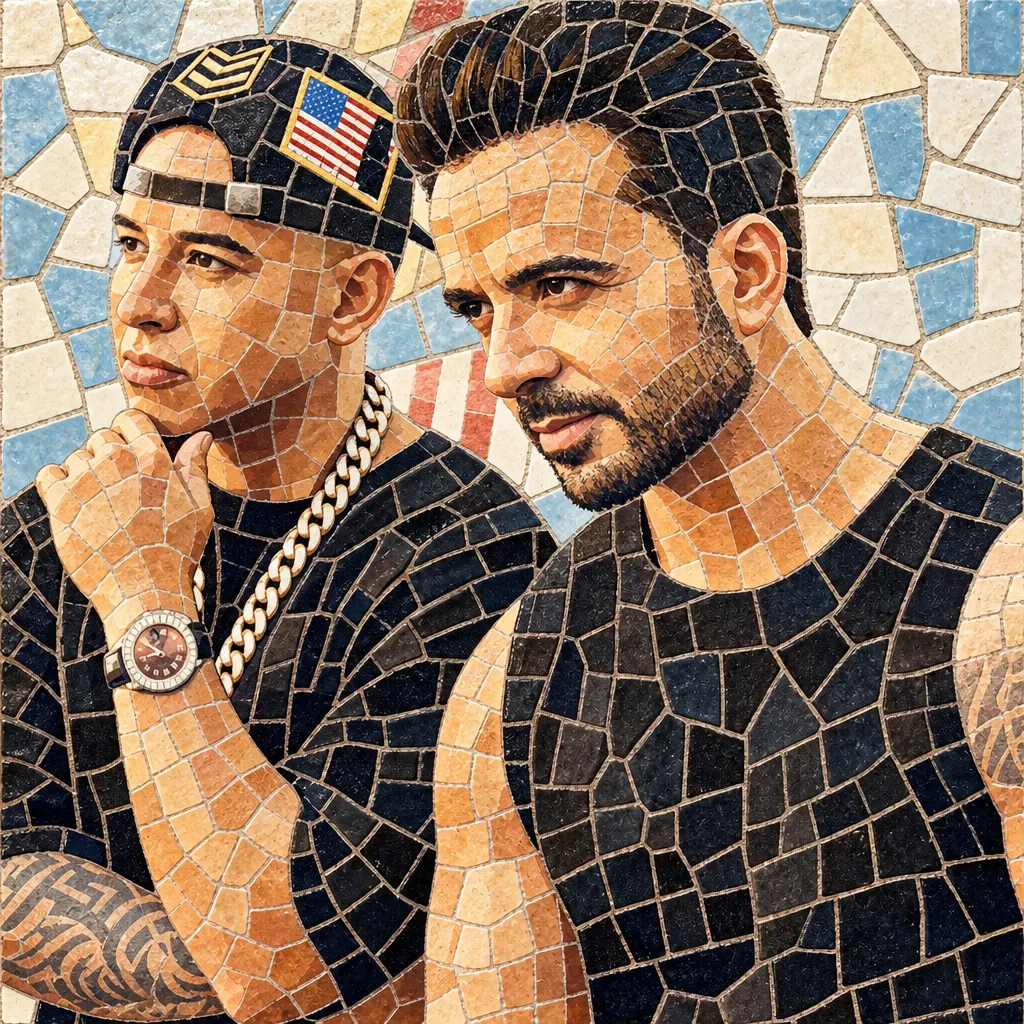
Sample Drill
Sample drill is a substyle of drill rap defined by prominent, highly recognizable samples from pop, R&B, or older hip‑hop songs that are chopped, pitched (often sped up into a chipmunk‑soul register), and woven into modern drill drum programming. It keeps the sliding 808s, syncopated hi‑hats, and off‑kilter snares of UK/NY drill while using melodic hooks from familiar records to add immediacy and nostalgia. The result is a contrast between gritty street narratives and glossy, sentimental or upbeat source material. Typical tempos sit around 138–145 BPM, with minor‑key harmonies and aggressive low‑end, but the pitched‑up samples add a catchy, radio‑friendly sheen. The style crystallized in the early 2020s and quickly became a mainstream gateway into drill across streaming and social media.
Discover
Listen
Basshall
Basshall is a club-focused fusion of modern dancehall riddims with the sound design and drops of bass-heavy EDM. It keeps the dembow-derived, off‑beat swing of Jamaican dancehall while layering sub‑driven 808s, aggressive synths, and festival‑ready builds and drops borrowed from trap, electro house, and UK bass. Typical tempos sit around 95–110 BPM (or 130–140 BPM with a halftime feel). Vocals often draw on Jamaican patois toasting or catchy pop hooks, and arrangements alternate between groove-led verses and explosive, sound‑system drops. Emerging from European (especially Dutch) club culture and the global‑bass scene, Basshall spreads dancehall’s energy into big‑room contexts without losing its Caribbean rhythmic DNA.
Discover
Listen
The Wave
The Wave is a loosely defined cluster of American post-hardcore/emo bands that surged in the early 2010s as emo-pop’s mainstream moment faded. The name was a tongue‑in‑cheek scene tag that stuck in press coverage, but it points to a real overlap in sound, ethos, and touring networks. Musically, The Wave fuses the urgency of 1990s post‑hardcore and screamo with confessional, literate lyric writing associated with emo. Expect shouted or half‑sung/half‑spoken vocals, dynamic quiet‑loud builds, intricate but driving drums, and guitar textures that shift between glassy clean arpeggios and overdriven, emotive climaxes. The songs often emphasize catharsis, narrative detail, and community-minded DIY presentation.
Discover
Listen
Bashment Soca
Bashment soca is a Barbadian-born variant of soca that fuses the high-energy party Spirit of Crop Over with the grit and vocal delivery of Jamaican dancehall. Compared with power soca’s fast tempos, bashment soca typically runs slower and heavier, leaning on booming sub‑bass, minimal chord movement, and infectious, chantable hooks. The style foregrounds Bajan dialect, cheeky wordplay, and call‑and‑response crowd interaction. Tracks are often built on shared riddims, encouraging multiple vocal takes, remixes, and sound‑system style performances. The result is a raw, street‑level party music tailor‑made for “wuk up” dancing and road marches.
Discover
Listen
Pop Reggaeton
Pop reggaeton is a mainstream-friendly fusion of reggaeton’s dembow rhythm with pop songwriting, melody, and production polish. It keeps the genre’s signature off‑beat snare pattern and half‑time swing while foregrounding catchy toplines, bright synths, and clean, radio-ready mixes. Tempos typically sit around 85–100 BPM (or 170–200 BPM felt in halftime), with warm 808 subs, syncopated percussion, and hook‑centric choruses. Vocals—often in Spanish or Spanglish—lean toward memorable, romantic, or aspirational themes. Compared with classic reggaeton, pop reggaeton softens timbres, smooths cadences, and uses pop structures (verse–pre‑chorus–chorus–bridge) for broad crossover appeal.
Discover
Listen
Ratchet Music
Ratchet music is a minimalist, club-focused strain of West Coast hip hop that coalesced in the early 2010s, most closely associated with Los Angeles producer DJ Mustard. It emphasizes sparse drum programming built from 808 kicks, handclaps, crisp hi‑hats, and simple percussive fills; bouncy tempos around 95–105 BPM; short, catchy synth or piano stabs; and a weighty sub‑bass that leaves ample space for vocals. Culturally and lyrically, it channels “ratchet” party culture and slang—rooted in Louisiana (notably Shreveport’s nickname “Ratchet City”) and amplified by the L.A. party scene—favoring braggadocio, nightlife, flirtation, and chant‑able hooks over dense lyricism. The result is a stripped‑down, hook‑driven sound engineered for dance floors and radio rotation.
Discover
Listen
Latin Afrobeats
Latin Afrobeats is a hybrid of West African Afrobeats and Latin urban pop in which Spanish (and sometimes Portuguese) lyrics ride syncopated, polyrhythmic grooves. It marries Afrobeats’ swung shakers, off‑beat hi‑hats, guitar licks, and buoyant bass with dembow and dancehall drum patterns common to reggaeton and Latin pop. The result is a bright, dance‑forward style with catchy toplines, call‑and‑response hooks, and concise song forms tailored to streaming. Production tends to be minimal yet percussive, with Afro‑percussion (shekere, conga/bongo colors), plucked guitars or synth plucks, and warm sub‑bass supporting melodies that often draw on pentatonic or natural minor scales. Themes revolve around romance, partying, and feel‑good celebration, making the music equally at home in clubs and playlists.
Discover
Listen
Azonto
Azonto is a contemporary Ghanaian dance-music style built for parties, street performances, and viral choreography. Emerging in the early 2010s, it matches swaggering, humorous dance moves with catchy call-and-response hooks and MC-led verses. Musically, Azonto sits on a bright, syncopated 4/4 groove—often between 105–130 BPM—with crisp handclaps, off‑beat hi‑hats, bouncing kick patterns, and short melodic riffs from synths, bell/mallet tones, or plucks. Harmony is usually minimal (two to four repeating chords), keeping the spotlight on rhythm, energy, and vocal interplay. Lyrics blend Twi, Ga, and Ghanaian Pidgin with English, and celebrate fashion, flirtation, everyday jokes, and local slang. The genre rose with dance challenges and YouTube-era virality, helping push West African pop into UK and global club culture. Signature tracks include Sarkodie & E.L.’s “U Go Kill Me,” Fuse ODG’s “Azonto” and “Antenna,” Castro’s “Azonto Fiesta,” and Gasmilla’s “Aboodatoi.”
Discover
Listen
Pop Urbaine
Pop urbaine is a French mainstream pop style that blends contemporary R&B, hip hop, Afrobeats, dancehall, zouk, raï, and reggaeton with chart‑friendly songwriting. It emphasizes melodic hooks, mid‑tempo grooves, and sleek vocal production (often with Auto‑Tune) while foregrounding everyday, romantic, and nightlife themes in colloquial French. Rhythmically it favors syncopated Afro‑Caribbean patterns, sparse but bouncy 808 drums, and light guitar or synth plucks, creating a buoyant, danceable feel without the aggressiveness of club music. Vocals typically alternate between sung refrains and rap‑influenced verses, with catchy refrains designed for streaming and social media virality. The genre became a defining sound of French popular culture in the late 2010s, driven by a new generation of Francophone artists with diasporic roots who globalized French pop while keeping its language and local slang at the center.
Discover
Listen
Azontobeats
Azontobeats is a high-energy Ghanaian club sound built to power the Azonto dance craze of the early 2010s. It blends the melodic sensibility of highlife and the rap-forward urgency of hiplife with contemporary Afrobeats pop gloss, dancehall swagger, and UK club rhythms. Typically sitting around 118–128 BPM, the style features punchy, dance-focused drum programming, bright synth hooks, and recurring call-and-response chants in Ghanaian languages (especially Twi and Ga) and Ghanaian Pidgin English. Percussion draws on kpanlogo-inspired bell and drum patterns, while arrangements prioritize catchy toplines and hooky, instruction-style lyrics that cue dance moves. More than just a beat, Azontobeats became a cultural wave that helped push Ghana’s sound onto global dance floors, laying a pathway for later diasporic Afrobeats and UK Afroswing crossovers.
Discover
Listen
Ragga
Ragga (short for raggamuffin) is a digital-era branch of Jamaican dancehall that foregrounds electronic rhythms, heavy sub‑bass, and rapid‑fire toasting in Jamaican Patois. It typically uses drum machines, sampled or synthesized basslines, and minimal harmonic movement, creating spacious, hard‑hitting “riddims” over which multiple deejays deliver contrasting versions. The style crystallized in the mid‑1980s after the pivotal “Sleng Teng” riddim popularized fully digital production, ushering in a new sound that was simultaneously streetwise, club‑ready, and globally exportable. Lyrically, ragga ranges from party‑starting “slackness” and braggadocio to social commentary, and its vocal delivery combines singing, chanting, and MC‑style flows.
Discover
Listen
Lovers Rock
Lovers rock is a romantic, melodically rich branch of reggae that emerged in the United Kingdom during the mid-to-late 1970s. It emphasizes smooth vocals, tender lyrics, and polished arrangements over the heavier political themes or rugged rhythms often associated with roots reggae and dub. Built on reggae and rocksteady grooves but infused with the sensibilities of soul and R&B, lovers rock often features warm basslines, gentle one‑drop drum patterns, silky rhythm guitars, and lush keyboards or string pads. The result is an intimate, slow‑to‑mid‑tempo sound designed for close dancing and heartfelt expression.
Discover
Listen
Dancehall
Dancehall is a Jamaican popular music style built around bass‑heavy, groove‑centric riddims and the vocal art of chatting or singjaying in Jamaican Patois. It emphasizes direct, energetic delivery, call‑and‑response hooks, and a party‑forward attitude, while also leaving space for sharp social commentary and witty wordplay. The genre is fundamentally riddim‑based: producers release instrumental tracks (riddims) that many different vocalists "voice" with their own songs. This culture encourages competitive creativity, rapid evolution of styles, and a constant stream of new versions. Tempos typically sit in the midtempo range, with syncopated kicks and snares and prominent sub‑bass. Since the mid‑1980s, digital drum machines and synths have defined much of dancehall’s sound, though live instrumentation and hybrid production are common too.
Discover
Listen
Soca
Soca is a high‑energy dance music from Trinidad and Tobago that emerged in the early 1970s as a modernized offshoot of calypso. It blends calypso’s witty lyricism and call‑and‑response with Afro‑Caribbean percussion, East Indian rhythmic accents, and contemporary funk/disco/pop production. Typical features include a four‑on‑the‑floor kick, strong backbeat claps, driving "engine room" percussion (iron/cowbell), syncopated bass lines, bright synths or brass stabs, up‑stroke rhythm guitar, and catchy chant‑like hooks designed for crowd participation. Tempos range from around 110–125 BPM for "groovy soca" to 150–165 BPM for "power soca," reflecting music made for Carnival fetes, road marches, and mass performance.
Discover
Listen
Roots Reggae
Roots reggae is a spiritually and socially conscious strand of reggae that emerged in Jamaica in the early to mid-1970s. It emphasizes Rasta themes, African identity, resistance to oppression, and everyday struggles, delivered through soulful vocals and storytelling lyrics. Musically, it features the one‑drop drum pattern, heavy melodic basslines, offbeat "skank" guitar/piano, warm Hammond/organ bubbles, and spacious, dub-influenced production. Tempos are moderate and rolling, the grooves are hypnotic, and the arrangements leave space for call‑and‑response, harmony vocals, and horn counter‑melodies.
Discover
Listen
Reggae
Reggae is a popular music genre from Jamaica characterized by a laid-back, syncopated groove, prominent bass lines, and steady offbeat “skank” guitar or keyboard chords. The rhythmic core often emphasizes the third beat in a bar (the “one drop”), creating a spacious, rolling feel that foregrounds bass and drums. Typical instrumentation includes drum kit, electric bass, rhythm and lead guitars, keyboards/organ (notably the Hammond and the percussive "bubble"), and often horn sections. Tempos generally sit around 70–80 BPM (or 140–160 BPM felt in half-time), allowing vocals to breathe and messages to be clearly delivered. Lyrically, reggae ranges from love songs and everyday storytelling to incisive social commentary, resistance, and spirituality, with Rastafarian culture and language (e.g., “I and I”) playing a central role in many classic recordings. Studio production techniques—spring reverbs, tape delays, and creative mixing—became signature elements, especially through dub versions that strip down and reimagine tracks.
Discover
Listen
Show all 19 genres
Albums
2025
2
/5
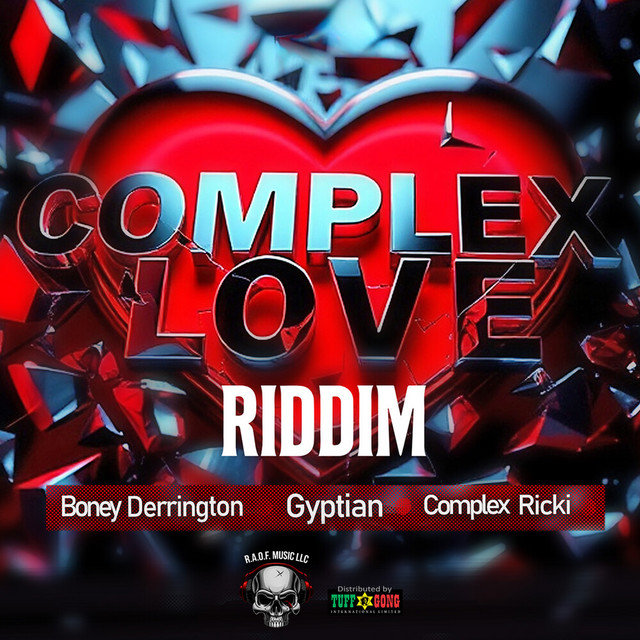
Complex Love Riddim
Gyptian
Lovers Rock
2019
2
/5
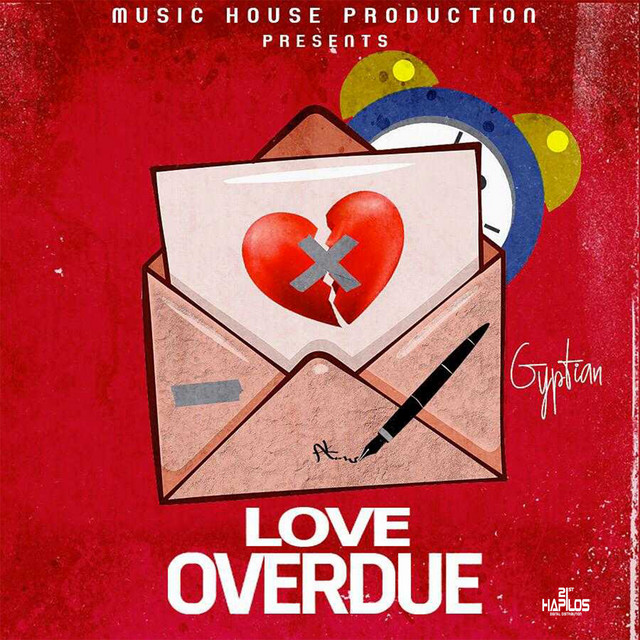
Love Overdue
Gyptian
Lovers Rock
2015
3
/5
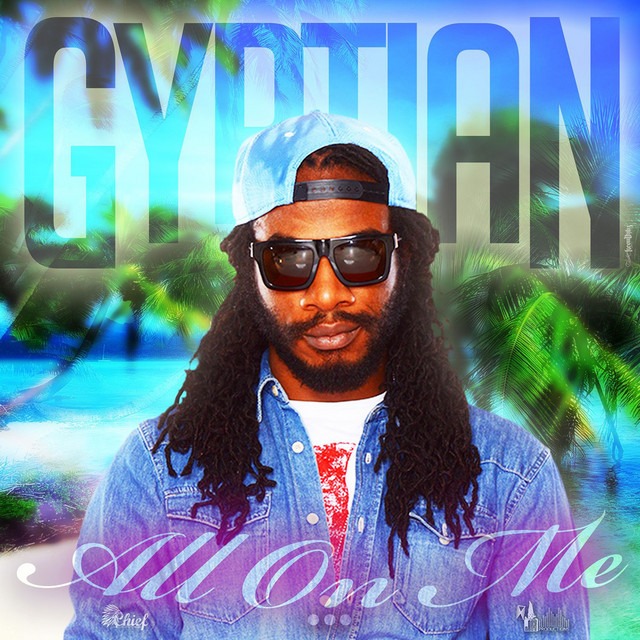
All On Me - Single
Gyptian
Lovers Rock
Similar artists
4
/5
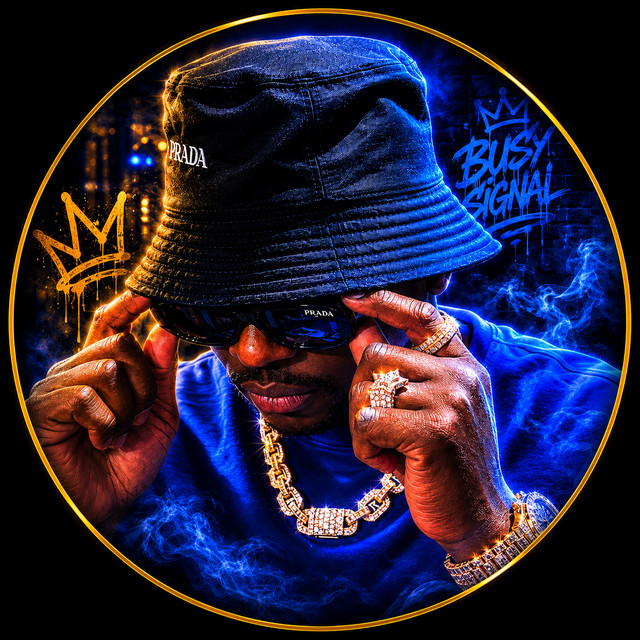
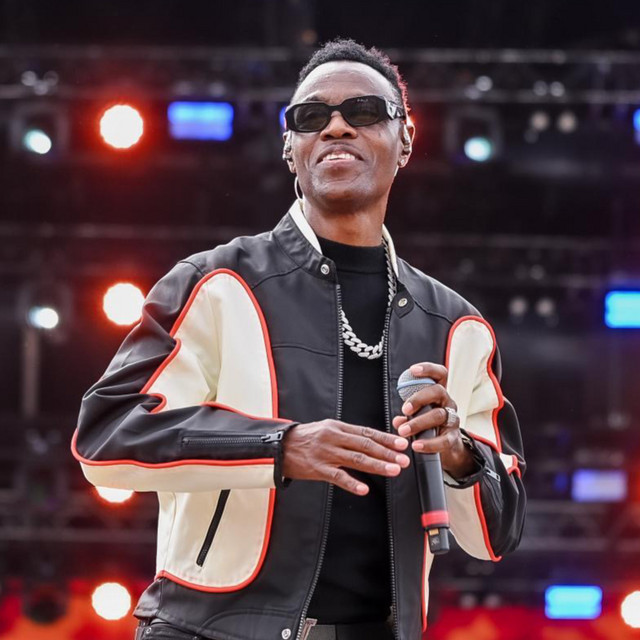
Busy Signal
Lovers Rock
Ragga
Roots Reggae
4
/5
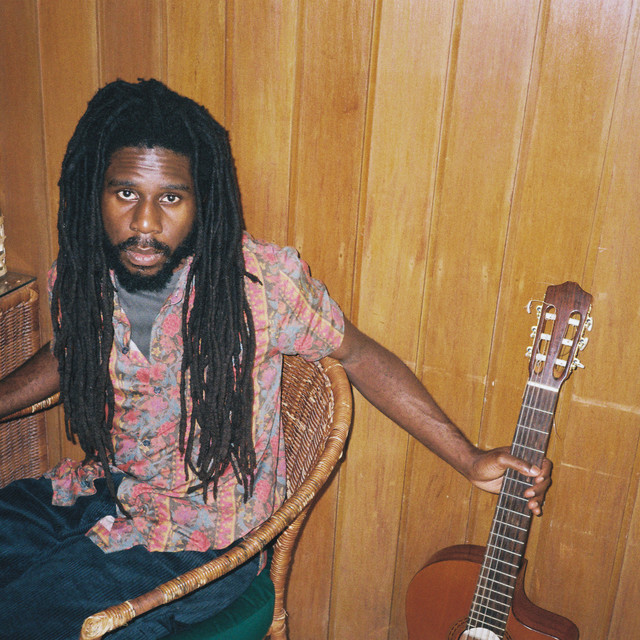
Chronixx
Lovers Rock
Roots Reggae
Ragga
3
/5
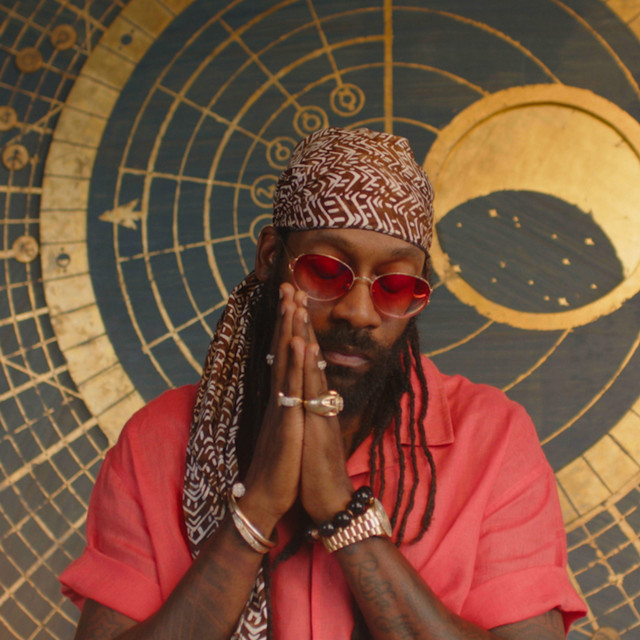
Tarrus Riley
Lovers Rock
Roots Reggae
Dancehall
3
/5
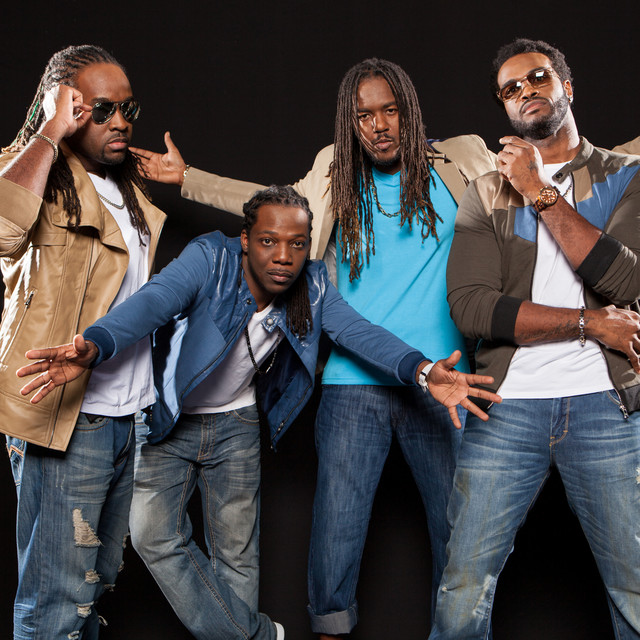
T.O.K
Lovers Rock
Dancehall
Ragga
4
/5
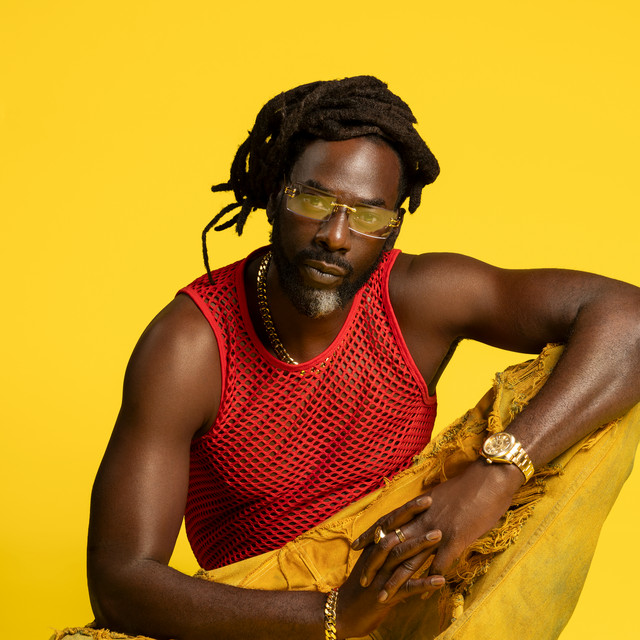
Buju Banton
Ragga
Dancehall
Basshall
3
/5
Christopher Martin
Dancehall
Lovers Rock
Ragga
3
/5
Wayne Wonder
Dancehall
Latin Afrobeats
Lovers Rock
3
/5
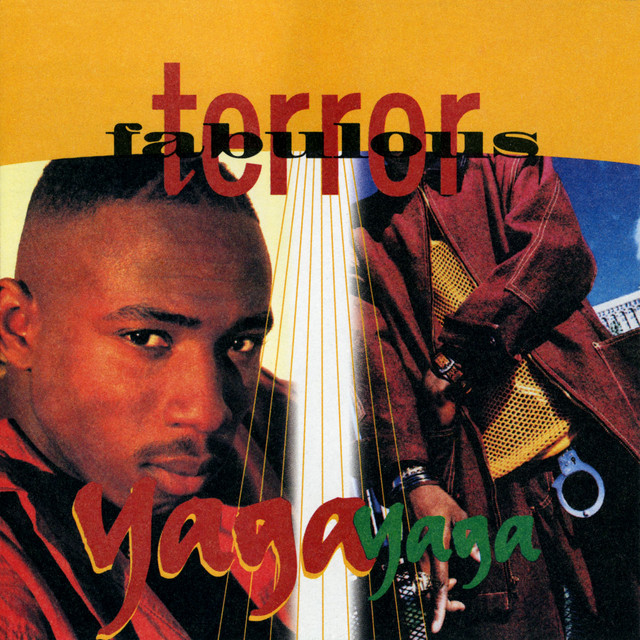
Terror Fabulous
Dancehall
Lovers Rock
Ragga
3
/5
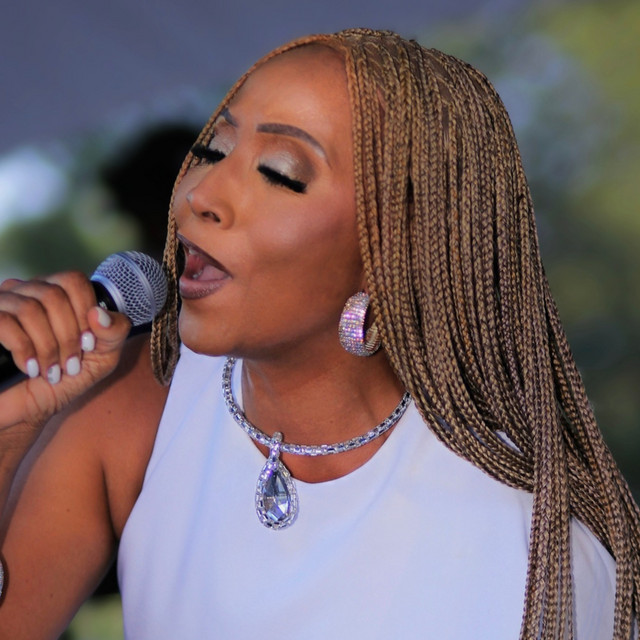
Nadine Sutherland
Dancehall
Lovers Rock
Ragga
3
/5
Barrington Levy
Dancehall
Reggae
Roots Reggae
Download our mobile app
Get the Melodigging app and start digging for new genres on the go
Download on the App Store
Get it on Google Play
© 2026 Melodigging
Give feedback
Legal
Melodding was created as a tribute to
Every Noise at Once
, which inspired us to help curious minds keep digging into music's ever-evolving genres.