Genres
Artists
Albums
Make Music
Sign in
Sign in
Artists
Chicha
Artists
Chicha
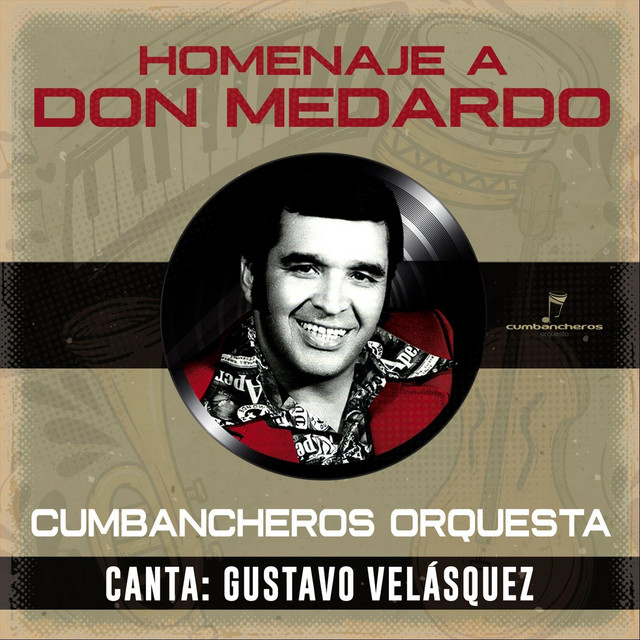
Gustavo Velasquez
2015
·
1 album
Listen
2
/5
Genres
Cumbia Ecuatoriana
Cumbia ecuatoriana is Ecuador’s regional take on Colombian cumbia, fused with local Andean melodic sensibilities and coastal tropical band traditions. It keeps cumbia’s steady 2/4 groove—güiro ostinato, syncopated percussion, and a dancing bass tumbao—while weaving in Andean pentatonic hooks on charango, quena, or synth leads. In coastal contexts, big brass and timbales give it a festive, “orquesta tropical” feel; in the Sierra, melodies often lean bittersweet and minor, reflecting Andean song aesthetics. Since the 1990s, a flashier, synth-driven branch (often called tecnocumbia) amplified Ecuadorian cumbia’s presence on radio and dance floors, but the core DNA remains: romantic storylines, catchy call-and-response coros, and a rhythm built for social dancing.
Discover
Listen
Chicha
Chicha is a Peruvian branch of cumbia that crystallized in urban migrant neighborhoods during the late 1960s and 1970s. It fuses Colombian cumbia rhythms with Andean huayno melodies, played on electric guitars that carry surf- and psychedelic-rock inflections. The style is defined by bright, reverb-soaked lead guitar lines in pentatonic (often Andean) motifs, Farfisa- or Hammond-type organs doubling riffs, and a steady cumbia groove driven by drum kit, güiro, and congas. Lyrics frequently reflect internal migration, working-class life, love, longing, and the bittersweet experience of cultural hybridity in Lima and other Peruvian cities. Chicha is sometimes called cumbia peruana (though that umbrella also includes Amazonian cumbia). Its imagery and street-poster aesthetics—neon colors and bold typography—became synonymous with the sound’s vibrant, grassroots identity.
Discover
Listen
Traditional Music
Traditional music is an umbrella term used in the mid–20th century by folklorists and ethnomusicologists to denote community-rooted, orally transmitted repertoires tied to social ritual, work, celebration, and storytelling. Unlike commercial pop or art-music traditions, traditional music is typically learned by ear, varies regionally, and evolves slowly through communal participation. It often features modal melodies, cyclic rhythms, heterophony or unison singing, and indigenous instruments whose timbres are integral to local identity. Lyrics tend to preserve language, history, and collective memory. While the musical practices themselves can be ancient, the phrase “traditional music” emerged to replace earlier, narrower or colonial framings like “folk” or “ethnic” music, foregrounding continuity, locality, and living practice rather than exoticism.
Discover
Listen
Albums
2015
Bailables y Ritmos de Mi Tierra
Paco Godoy, Piedadcita Torres, Gustavo Velasquez
Cumbia Ecuatoriana
Similar artists
2
/5
Hermanos Villamar
Bolero
Chicha
Folclor Andino
2
/5
Benítez - Valencia
Bolero
Chicha
Folclor Andino
2
/5
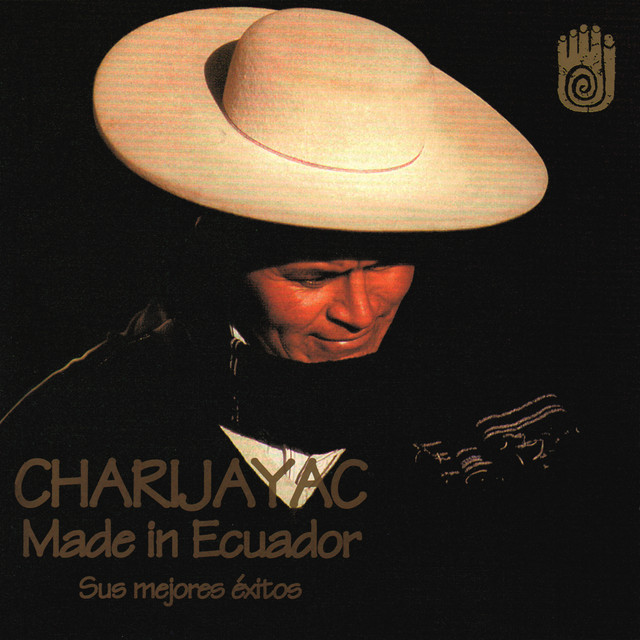
Charijayac
Chicha
Folclor Andino
Huayno
2
/5
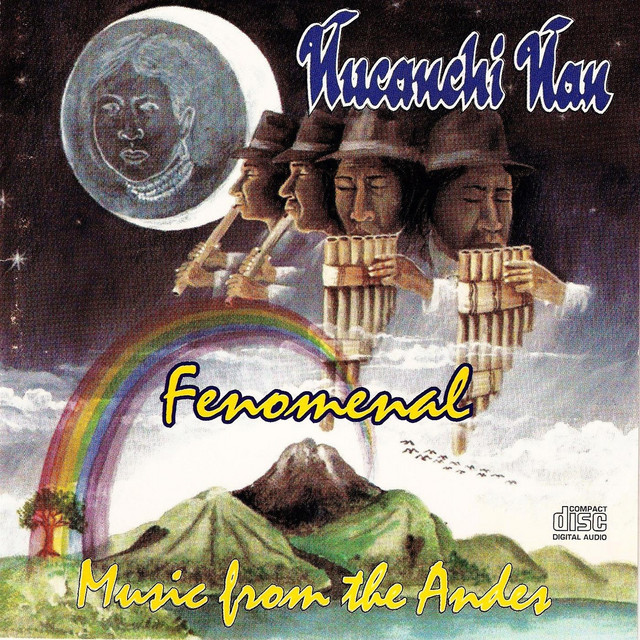
Ñucanchi Ñan
Chicha
Folclor Andino
Traditional Music
2
/5
Jq Y Sus Estrellas
Chicha
Traditional Music
2
/5
Yarina
Chicha
Folclor Andino
Huayno
2
/5
Carlota Jaramillo
Bolero
Chicha
Folclor Andino
2
/5
Duo Aguayo Huayamabe
Chicha
Traditional Music
2
/5
Ñanda Mañachi
Chicha
Folclor Andino
Huayno
1
/5
Ñanda Mañachi
Chicha
Folclor Andino
Huayno
Download our mobile app
Get the Melodigging app and start digging for new genres on the go
Download on the App Store
Get it on Google Play
© 2026 Melodigging
Give feedback
Legal
Melodding was created as a tribute to
Every Noise at Once
, which inspired us to help curious minds keep digging into music's ever-evolving genres.