Genres
Artists
Albums
Make Music
Sign in
Sign in
Artists
Neue Deutsche Todeskunst
Artists
Neue Deutsche Todeskunst
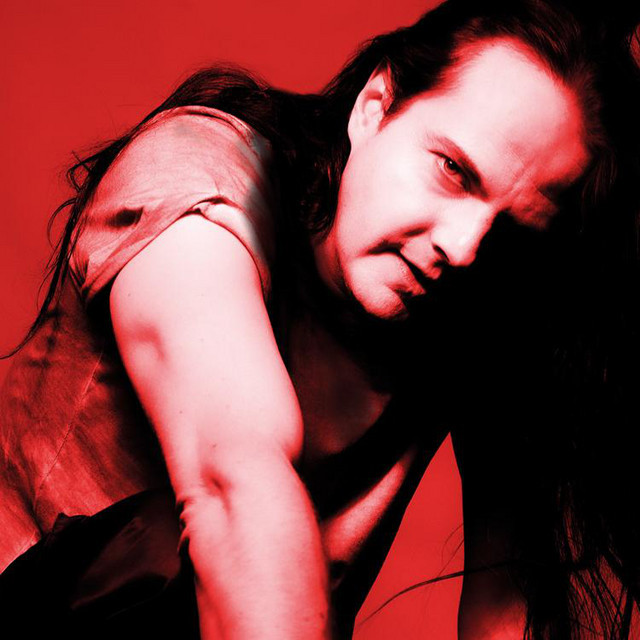
Goethes Erben
5 albums
Listen
1
/5
Genres
Neue Deutsche Todeskunst
Neue Deutsche Todeskunst ("New German Death Art") is a German darkwave/goth movement that emerged in the early 1990s. It foregrounds German‑language, poetically ambitious lyrics delivered in a dramatic, declamatory or spoken style (Sprechgesang), set against somber darkwave, gothic rock, and neoclassical instrumentation. The sound typically blends synthesizers, piano, string pads, and orchestral timbres with restrained drum programming, creating a theatrical, sepulchral atmosphere. Lyrical themes explore death, transience, existential dread, and metaphysical questions, often referencing classic German literature and philosophy. Live performances frequently incorporate performance art, stage props, and dramaturgical elements to emphasize the genre’s "art" ethos.
Discover
Listen
Dark Wave
Dark wave is a moody, melancholic offshoot of post-punk and new wave that emphasizes minor-key harmonies, somber timbres, and introspective or romantic lyrical themes. It blends the icy textures of early synthesizers and drum machines with reverb-laden guitars and melodic, driving basslines. The style typically features baritone or ethereal vocals, atmospheric production with heavy use of chorus, delay, and reverb, and tempos that range from slow and brooding to mid-tempo and danceable. Dark wave spans both guitar-oriented and synth-forward approaches, and often overlaps with related movements such as coldwave, minimal wave, and ethereal wave.
Discover
Listen
Ebm
Electronic Body Music (EBM) is a post-industrial dance music style that fuses the stark textures and aesthetics of industrial and synth‑punk with propulsive, club‑ready rhythms. Built on sequenced, repetitive basslines, rigid 4/4 kick patterns, and clipped, military‑tight percussion, EBM favors mostly undistorted, barked or chanted vocals and confrontational, sometimes political or provocative themes. Its sound is physical and kinetic—designed for bodies on the dance floor—yet retains the minimalist, machine‑driven discipline of early industrial and new wave electronics.
Discover
Listen
Electropop
Electropop is a branch of pop music that foregrounds electronic instruments—especially synthesizers, drum machines, and sequencers—to deliver catchy, hook-driven songs. It preserves the verse–pre-chorus–chorus architecture and melodic immediacy of pop while replacing most traditional band instrumentation with programmed rhythms, synthetic bass lines, and glossy textures. The style emphasizes earworm toplines, precise rhythmic grids, and tightly produced arrangements that often highlight contrast between minimal, punchy verses and expansive, anthemic choruses. Timbres range from warm analog pads and arpeggiators reminiscent of the late 1970s/early 1980s to ultra-modern, hyper-detailed sound design, making electropop both retro-leaning and future-facing depending on the artist.
Discover
Listen
Rock
Rock is a broad family of popular music centered on amplified instruments, a strong backbeat, and song forms that foreground riffs, choruses, and anthemic hooks. Emerging from mid‑20th‑century American styles like rhythm & blues, country, and gospel-inflected rock and roll, rock quickly expanded in scope—absorbing folk, blues, and psychedelic ideas—while shaping global youth culture. Core sonic markers include electric guitar (often overdriven), electric bass, drum kit emphasizing beats 2 and 4, and emotive lead vocals. Rock songs commonly use verse–chorus structures, blues-derived harmony, and memorable melodic motifs, ranging from intimate ballads to high‑energy, stadium‑sized performances.
Discover
Listen
Avant-Garde
Avant-garde music is an umbrella term for boundary-pushing practices that challenge prevailing norms of harmony, rhythm, timbre, form, and performance. It privileges experimentation, conceptual rigor, and a willingness to reframe what counts as music at all. Historically tied to early 20th‑century artistic modernism, avant-garde music introduced atonality, the emancipation of noise, and new forms of notation and process. It embraces indeterminacy, extended techniques, electronics, spatialization, and multimedia performance, treating sound as material to be sculpted, questioned, and reinvented.
Discover
Listen
Albums
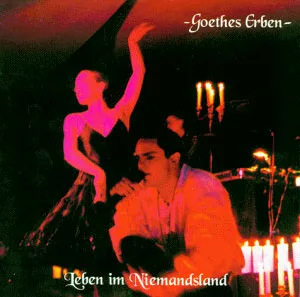
Leben im Niemandsland
Goethes Erben
Neue Deutsche Todeskunst
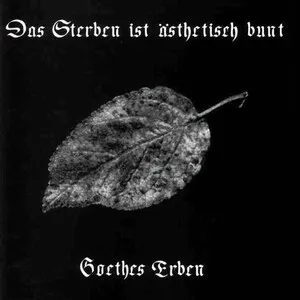
Das Sterben ist ästhetisch bunt
Goethes Erben
Neue Deutsche Todeskunst
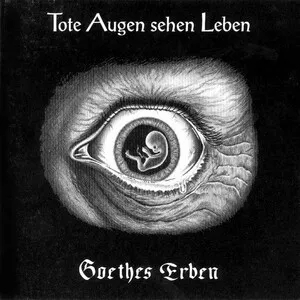
Tote Augen sehen Leben
Goethes Erben
Neue Deutsche Todeskunst
Schach ist nicht das Leben
Goethes Erben
Neue Deutsche Todeskunst
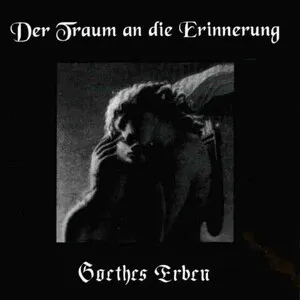
Der Traum an die Erinnerung
Goethes Erben
Neue Deutsche Todeskunst
Similar artists
2
/5
Stillste Stund
Neue Deutsche Todeskunst
Dark Wave
Avant-Garde
1
/5
Various Artists
Afro-Funk
Alternative Rock
Ambient
3
/5
Wolfsheim
Neue Deutsche Todeskunst
Dark Wave
Synth-Pop
3
/5
Project Pitchfork
Neue Deutsche Todeskunst
Dark Wave
Electro-Industrial
2
/5
Das Ich
Neue Deutsche Todeskunst
Industrial
Dark Wave
2
/5
Mantus
Neue Deutsche Todeskunst
Dark Wave
Ebm
1
/5
Relatives Menschsein
Neue Deutsche Todeskunst
Dark Wave
Ebm
2
/5
Samsas Traum
Neue Deutsche Todeskunst
Dark Wave
Ebm
2
/5
Qntal
Celtic
Dark Wave
Ebm
2
/5
Helium Vola
Dark Wave
Ebm
Medieval
Download our mobile app
Get the Melodigging app and start digging for new genres on the go
Download on the App Store
Get it on Google Play
© 2026 Melodigging
Give feedback
Legal
Melodding was created as a tribute to
Every Noise at Once
, which inspired us to help curious minds keep digging into music's ever-evolving genres.