Preschool children's music is a subset of children's music designed for ages roughly 2–5, prioritizing clear language, repetition, and interactive cues that support early learning and movement.
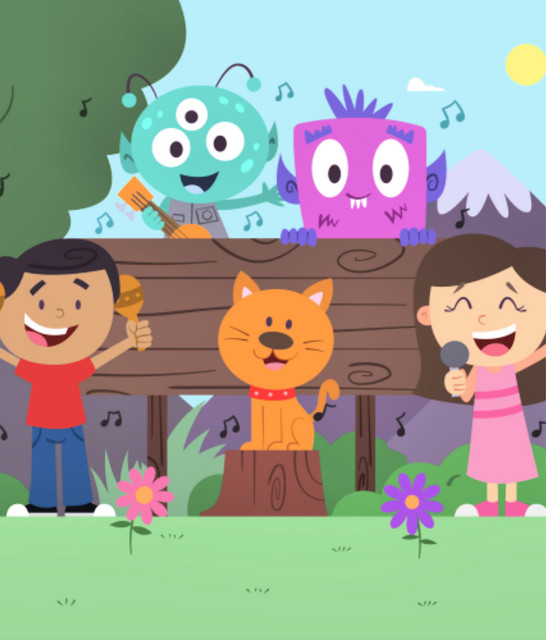
Songs are typically short (1–3 minutes), in major keys, with simple I–IV–V harmonies and memorable call-and-response or sing-along choruses. Tempos tend to be moderate (about 90–130 BPM) for easy clapping, marching, or dancing, and arrangements favor bright, soft timbres: acoustic guitar or ukulele, piano, handclaps, shakers, woodblocks, tambourine, simple drums, and friendly lead vocals with clear enunciation. Lyrics emphasize concrete topics (animals, colors, counting, the alphabet, daily routines, social skills), and often include movement prompts ("jump," "spin," "freeze") and predictable rhymes to aid language development.
As a practical format used in homes, classrooms, libraries, and early education programs, it balances entertainment with pedagogy, drawing from nursery rhymes, folk sing-alongs, show tunes, and educational TV to build early musical and literacy skills in a safe, cheerful sound world.