Genres
Artists
Albums
Make Music
Sign in
Sign in
Artists
Chamamé
Artists
Chamamé
Gaúcho Da Fronteira
Listen
3
/5
Genres
Musica Campineira
Música campineira refers to the contemporary independent music made in and around Campinas (São Paulo state, Brazil). It is not a single codified style, but a city‑tagged scene that blends MPB songwriting, Brazilian rock, Tropicália’s exploratory spirit, indie rock/pop textures and a dose of samba‑rock and bossa rhythms. Because it is scene‑based, you will hear a spectrum that runs from intimate voice‑and‑guitar MPB and chamber‑pop projects to guitar‑driven indie rock, synth‑tinged bedroom pop and groove‑oriented bands. What unites it is a regional identity shaped by the city’s universities (notably UNICAMP), DIY venues, collectives, and small labels that foster collaboration and stylistic cross‑pollination.
Discover
Listen
Forró
Forró is a popular dance-music tradition from Brazil’s Northeast, centered on the trio of accordion (sanfona), zabumba (bass/tenor drum), and triangle. It encompasses a family of rhythms—most notably baião, xote, arrasta-pé, and xaxado—and is performed for partner dancing at parties and the June festivals (Festas Juninas). The style balances infectious, syncopated grooves with singable melodies and simple, diatonic harmony. Lyrically, forró often celebrates rural life, love, longing (saudade), and the culture of the sertão. Over time, it has branched into substyles ranging from the acoustic, rootsy pé-de-serra to modern, amplified and electronic variants.
Discover
Listen
Chamamé
Chamamé is a traditional dance-music style from Argentina’s Litoral region (especially the province of Corrientes) characterized by a flowing 6/8–3/4 sesquiáltera feel, expressive accordion or bandoneón melodies, and guitars providing rhythmic and harmonic support. It is music for dancing in couples, with a swaying, gliding motion that mirrors the riverine landscapes of the Paraná and Uruguay rivers. The genre blends European social-dance influences (polka, schottische, mazurka, waltz) with Indigenous Guaraní aesthetics and language, often featuring the sapukai—a celebratory shout—within performances. Lyrically, chamamé is typically nostalgic and pastoral, evoking love, family, migration, and the natural environment, and it frequently mixes Spanish with Guaraní vocabulary.
Discover
Listen
Sertanejo Tradicional
Sertanejo tradicional (also called sertanejo de raiz) is the early, roots-oriented form of Brazilian country music that crystallized from rural “caipira” song traditions in the early 20th century. It is centered on duet vocals singing in close harmony and the distinctive sound of the viola caipira (10‑string Brazilian guitar), often supported by acoustic guitar and, at times, accordion. The style features storytelling ballads (modas de viola), devotional and pastoral themes, and dance rhythms adapted from Iberian and Southern Cone sources such as waltz, polka, xote, chamamé, and guarânia. Its melodies are typically diatonic and folk-like, harmonies rely on simple functional progressions, and arrangements highlight picked patterns and bass runs (baixarias) on viola. Lyrically, the music celebrates rural life, love, faith, landscapes, and the nostalgia (saudade) of the countryside.
Discover
Listen
Similar artists
4
/5
Zé Ramalho
Sertanejo Tradicional
Northeastern Brazilian Music
Brazilian Folk Music
4
/5
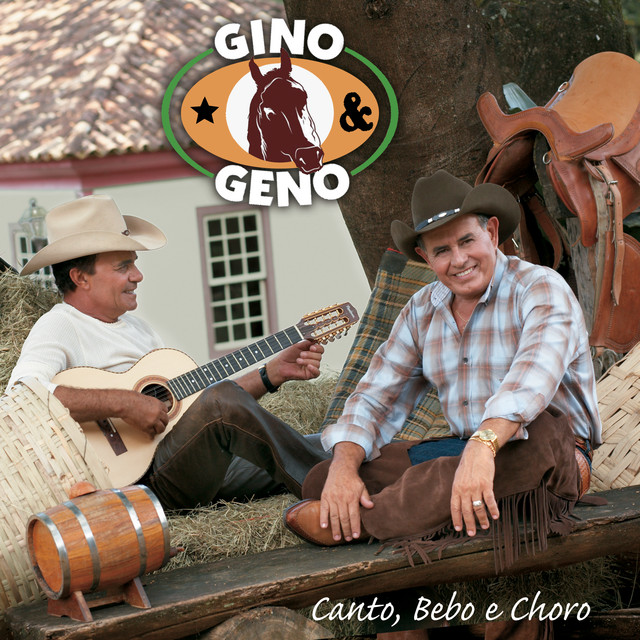
Gino & Geno
Forró
Sertanejo
Sertanejo Tradicional
4
/5
Teodoro & Sampaio
Forró
Sertanejo
Sertanejo Tradicional
4
/5
Léo Magalhães
Brega Romantico
Sertanejo Tradicional
Arrocha
3
/5
Baitaca
Chamamé
Sertanejo Tradicional
Música Gaúcha
3
/5
Pedro Paulo e Matheus
Forró
Sertanejo
Sertanejo Tradicional
3
/5
Teixeirinha
Chamamé
Sertanejo Tradicional
Musica Campineira
3
/5
Grupo Tradição
Chamamé
Sertanejo
Sertanejo Tradicional
3
/5
Vinicius Malheiros
Sertanejo Tradicional
Forró
Sertanejo
2
/5
Sandro & Ronaldo
Forró
Sertanejo
Sertanejo Tradicional
Download our mobile app
Get the Melodigging app and start digging for new genres on the go
Download on the App Store
Get it on Google Play
© 2026 Melodigging
Give feedback
Legal
Melodding was created as a tribute to
Every Noise at Once
, which inspired us to help curious minds keep digging into music's ever-evolving genres.