Genres
Artists
Albums
Make Music
Sign in
Sign in
Artists
Alternative Rock
Artists
Alternative Rock
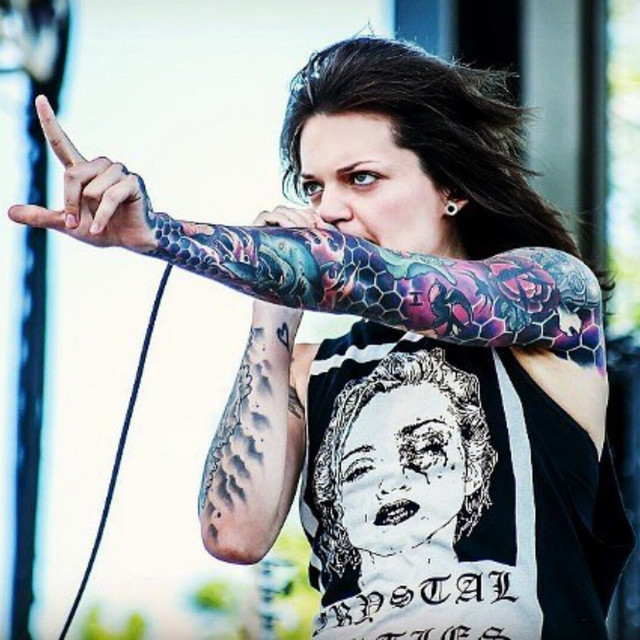
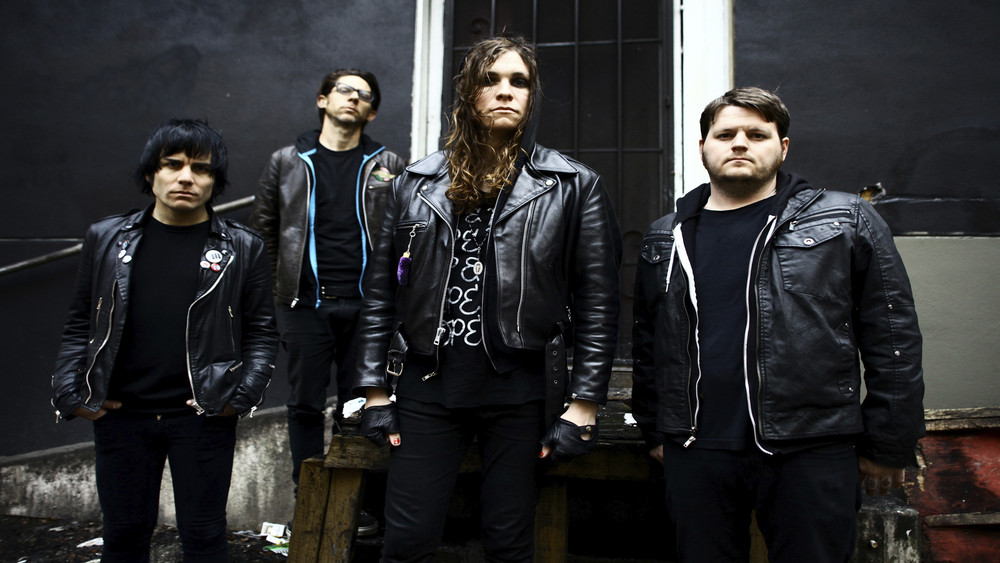
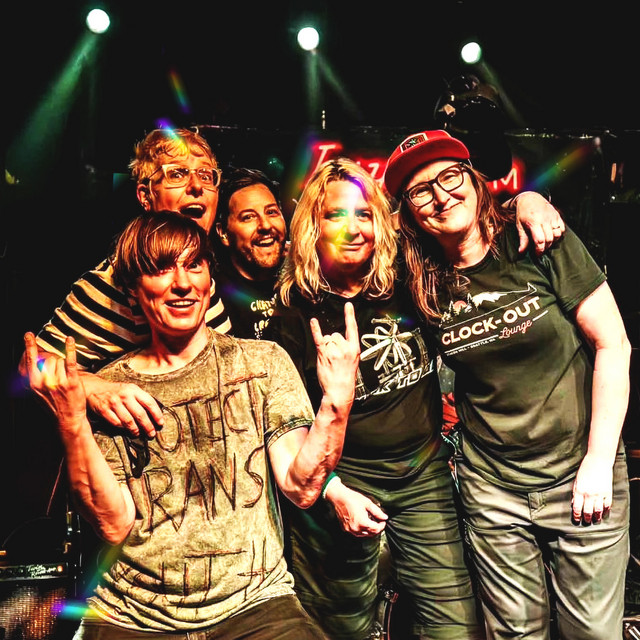
Fit For Rivals
2009
·
1 album
Listen
3
/5
Genres
Pixie
Pixie is a Gen‑Z, internet‑native microgenre that sits at the bright, whimsical end of the hyperpop/digicore spectrum. It favors sparkling, “fairy‑like” sound design: glassy arpeggios, glittering supersaws, twinkling bells, and breathy, often pitched‑up or formant‑shifted vocals. Songs tend to be short and hook‑forward, balancing innocent, daydreamy textures with maximal drops and elastic rhythms. Lyrically it blends diaristic vulnerability, romance, and coming‑of‑age themes with online culture references and a playful sense of fantasy. Aesthetically, pixie borrows the cute/kawaii visual language (soft pastels, magical motifs) while keeping the DIY, Discord‑server ethos of the hyperpop underground. Production is fast, DAW‑focused (FL Studio/Ableton), and built for streaming, TikTok loops, and community playlists.
Discover
Listen
Alternative Rock
Alternative rock is a broad umbrella for guitar-based rock that emerged from the independent and college-radio scenes as a counterpoint to mainstream, commercial rock. It blends the energy and ethos of punk with the textural and songwriting experiments of post-punk, new wave, jangle pop, and noise rock, often foregrounding introspective or socially aware lyrics. Across its many strains—from the melodic minimalism of college rock to the loud-quiet-loud dynamics of grunge and the artful experimentation of Radiohead-era modernism—alternative rock prioritizes authenticity, sonic individuality, and a do-it-yourself approach. Its sound ranges from chiming, chorus-laden clean guitars to abrasive distortion and feedback, supported by straightforward rock rhythms or off-kilter grooves, and production that can be either raw and live-sounding or polished yet unconventional.
Discover
Listen
Emo
Emo is a rock subgenre that emerged from the mid-1980s Washington, D.C. hardcore punk scene as “emotional hardcore” (often shortened to emocore). It retains punk’s urgency but foregrounds confessional, vulnerable lyrics and dramatic dynamic shifts. Across its eras, emo has encompassed several distinct sounds: the intense, cathartic D.C. style; the melodic, guitar‑intricate “Midwest emo” of the 1990s; and the 2000s mainstream wave that blended emo’s lyrical candor with pop‑punk hooks (often called “emo pop”). Common musical traits include intertwining clean and overdriven guitars, intricate arpeggios and counter‑melodies, elastic song structures, and vocals that range from intimate murmurs to raw, impassioned shouts.
Discover
Listen
Queercore
Queercore is a punk-derived music and cultural movement that centers LGBTQ+ experiences, politics, and pleasure. Emerging in the mid-1980s as a reaction against both homophobia in punk scenes and assimilationist tendencies in mainstream gay culture, it embraces a DIY ethos across music, zines, film, and community organizing. Musically, queercore spans from blistering hardcore punk and noisy art-punk to hooky pop‑punk and left‑field indie, with distorted guitars, driving bass, and often shouted or chant-like vocals. Lyrics are frank, confrontational, and frequently witty—tackling sexuality, gender variance, queer desire, anti-fascism, and everyday survival—with a mix of anger, humor, and camp. Beyond sound, queercore is a scene-building practice: small labels, hand-made zines, all-ages shows, and mutual-aid minded organizing that prioritize safe(r) spaces, consent culture, and queer joy.
Discover
Listen
Punk Rock
Punk rock is a fast, raw, and stripped‑down form of rock music that foregrounds energy, attitude, and the DIY ethic over technical polish. Songs are short (often 90–180 seconds), in 4/4, and driven by down‑stroked power‑chord guitars, eighth‑note bass, and relentless backbeat drumming. Vocals are shouted or sneered rather than crooned, and lyrics are direct, often political, anti‑establishment, or wryly humorous. Production is intentionally unvarnished, prioritizing immediacy and live feel over studio perfection. Beyond sound, punk rock is a culture and practice: independent labels, fanzines, all‑ages venues, self‑organized tours, and a participatory scene that values inclusivity, affordability, and self‑reliance.
Discover
Listen
Rock
Rock is a broad family of popular music centered on amplified instruments, a strong backbeat, and song forms that foreground riffs, choruses, and anthemic hooks. Emerging from mid‑20th‑century American styles like rhythm & blues, country, and gospel-inflected rock and roll, rock quickly expanded in scope—absorbing folk, blues, and psychedelic ideas—while shaping global youth culture. Core sonic markers include electric guitar (often overdriven), electric bass, drum kit emphasizing beats 2 and 4, and emotive lead vocals. Rock songs commonly use verse–chorus structures, blues-derived harmony, and memorable melodic motifs, ranging from intimate ballads to high‑energy, stadium‑sized performances.
Discover
Listen
Albums
2009
1
/5
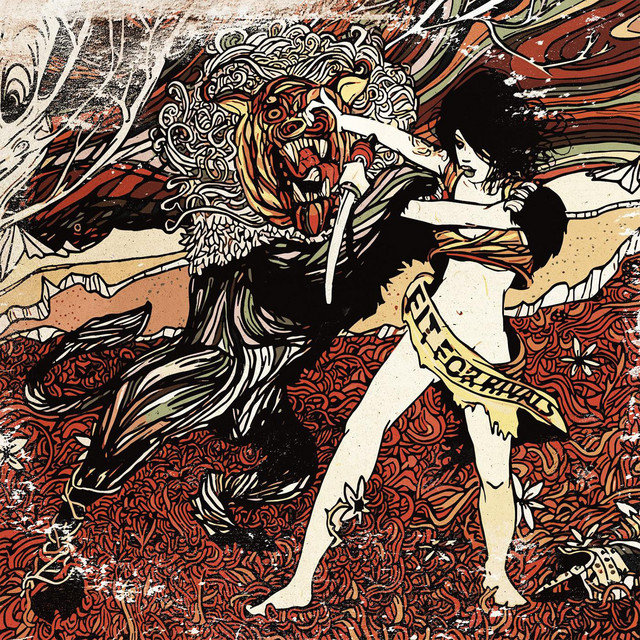
Steady Damage
Fit For Rivals
Queercore
Alternative Rock
Rock
Similar artists
5
/5
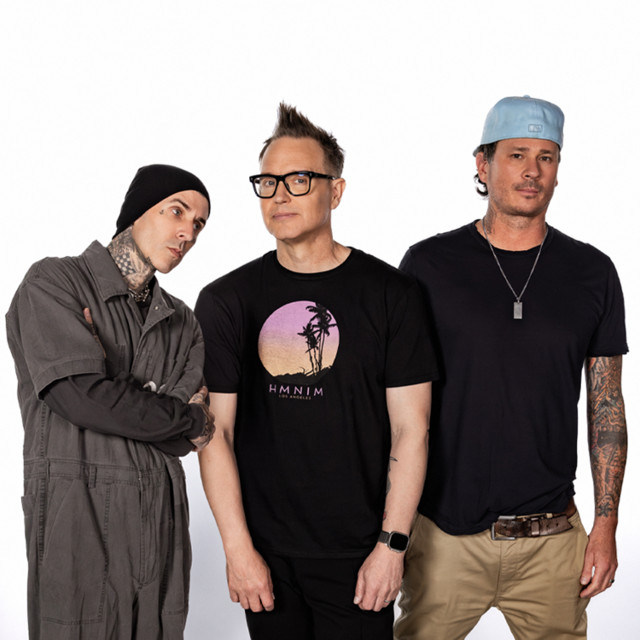
blink-182
Pop Punk
Punk
Skate Punk
1
/5
Various Artists
Afro-Funk
Alternative Rock
Ambient
5
/5
Fall Out Boy
Emo Pop
Pop Punk
Emo
3
/5
Sleater-Kinney
Olympia Wa Indie
Indie Rock
Alternative Rock
5
/5
My Chemical Romance
Emo Pop
Emo
Pop Punk
3
/5
Against Me!
Punk
Orgcore
Rock
3
/5
Hot Water Music
Emocore
Punk
Melodic Hardcore
2
/5
Team Dresch
Queercore
Riot Grrrl
Olympia Wa Indie
5
/5
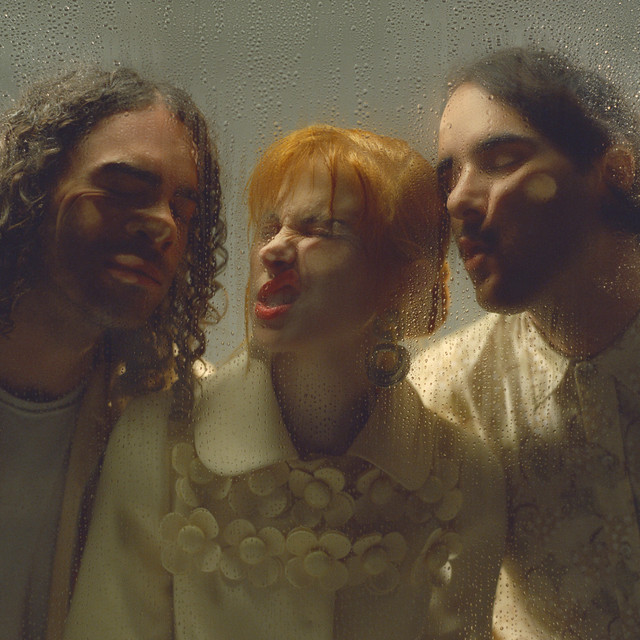
Paramore
Emo Pop
Candy Pop
Pixie
5
/5
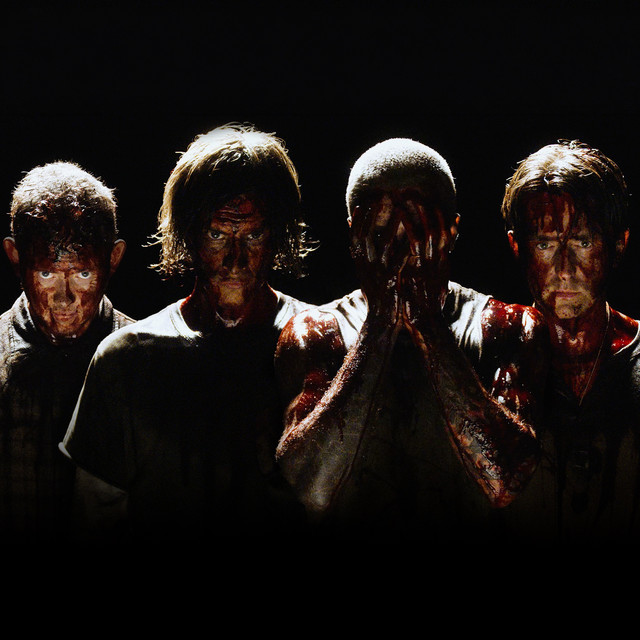
Bring Me The Horizon
Melodic Metalcore
Post-Hardcore
Screamo
Download our mobile app
Get the Melodigging app and start digging for new genres on the go
Download on the App Store
Get it on Google Play
© 2026 Melodigging
Give feedback
Legal
Melodding was created as a tribute to
Every Noise at Once
, which inspired us to help curious minds keep digging into music's ever-evolving genres.