Genres
Artists
Albums
Make Music
Sign in
Sign in
Artists
Old School Dancehall
Artists
Old School Dancehall
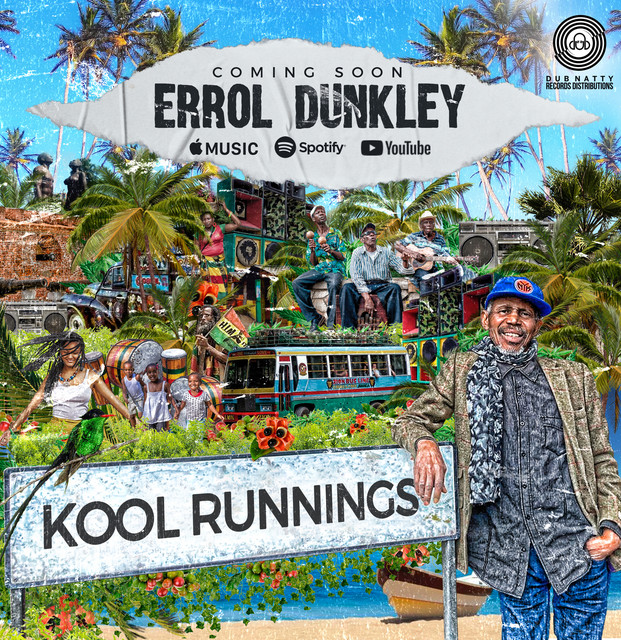
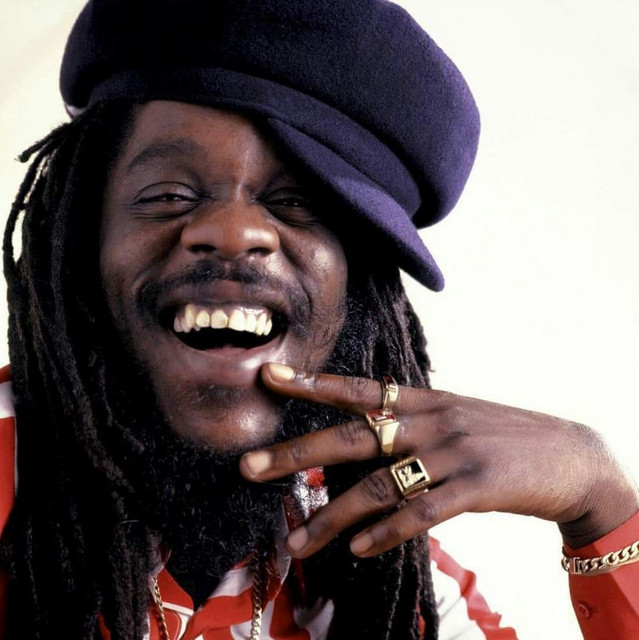
Errol Dunkley
2009–2018
·
3 albums
Listen
2
/5
Genres
Pop Urbaine
Pop urbaine is a French mainstream pop style that blends contemporary R&B, hip hop, Afrobeats, dancehall, zouk, raï, and reggaeton with chart‑friendly songwriting. It emphasizes melodic hooks, mid‑tempo grooves, and sleek vocal production (often with Auto‑Tune) while foregrounding everyday, romantic, and nightlife themes in colloquial French. Rhythmically it favors syncopated Afro‑Caribbean patterns, sparse but bouncy 808 drums, and light guitar or synth plucks, creating a buoyant, danceable feel without the aggressiveness of club music. Vocals typically alternate between sung refrains and rap‑influenced verses, with catchy refrains designed for streaming and social media virality. The genre became a defining sound of French popular culture in the late 2010s, driven by a new generation of Francophone artists with diasporic roots who globalized French pop while keeping its language and local slang at the center.
Discover
Listen
Old School Dancehall
Old school dancehall is the formative era of Jamaica’s dancehall, spanning the late 1970s through the early-to-mid 1990s. It grew out of sound-system culture and the shift from roots reggae’s band-centric, message-heavy approach toward leaner, bass-forward "riddims" designed for toasting (MCing) and crowd control. Early old school dancehall (often called "rub‑a‑dub") centered on live bands like Roots Radics driving minimalist, heavy drum-and-bass grooves, over which deejays delivered rhythmic, improvisatory chants in Jamaican patois. By 1985, the scene pivoted to digital with Wayne Smith’s "Sleng Teng" riddim, bringing drum machines and cheap keyboards into the dance. Lyrically, old school dancehall ranges from party-starting braggadocio, dancing instructions, and witty clash talk to topical commentary. Sonically, it emphasizes a sparse mix with offbeat skank, big subs, and dub-inspired delay and reverb—purpose-built for massive sound systems and a responsive, dancing crowd.
Discover
Listen
Dub
Dub is a studio-born offshoot of reggae that uses the mixing desk as a performance instrument. Producers strip songs down to their rhythmic core—drums and bass—and then rebuild them in real time with radical mutes, echoes, reverbs, and filters. Typically created from the B-sides (“versions”) of reggae singles, dub foregrounds spacious low-end, one-drop or steppers drum patterns, and fragmented vocal or instrumental phrases that drift in and out like ghostly textures. Spring reverb, tape echo, and feedback are not just effects but compositional tools, turning the studio into an instrument of improvisation. The result is bass-heavy, spacious, and hypnotic music that emphasizes negative space and textural transformation, laying the foundation for countless electronic and bass music styles.
Discover
Listen
Lovers Rock
Lovers rock is a romantic, melodically rich branch of reggae that emerged in the United Kingdom during the mid-to-late 1970s. It emphasizes smooth vocals, tender lyrics, and polished arrangements over the heavier political themes or rugged rhythms often associated with roots reggae and dub. Built on reggae and rocksteady grooves but infused with the sensibilities of soul and R&B, lovers rock often features warm basslines, gentle one‑drop drum patterns, silky rhythm guitars, and lush keyboards or string pads. The result is an intimate, slow‑to‑mid‑tempo sound designed for close dancing and heartfelt expression.
Discover
Listen
Roots Reggae
Roots reggae is a spiritually and socially conscious strand of reggae that emerged in Jamaica in the early to mid-1970s. It emphasizes Rasta themes, African identity, resistance to oppression, and everyday struggles, delivered through soulful vocals and storytelling lyrics. Musically, it features the one‑drop drum pattern, heavy melodic basslines, offbeat "skank" guitar/piano, warm Hammond/organ bubbles, and spacious, dub-influenced production. Tempos are moderate and rolling, the grooves are hypnotic, and the arrangements leave space for call‑and‑response, harmony vocals, and horn counter‑melodies.
Discover
Listen
Reggae
Reggae is a popular music genre from Jamaica characterized by a laid-back, syncopated groove, prominent bass lines, and steady offbeat “skank” guitar or keyboard chords. The rhythmic core often emphasizes the third beat in a bar (the “one drop”), creating a spacious, rolling feel that foregrounds bass and drums. Typical instrumentation includes drum kit, electric bass, rhythm and lead guitars, keyboards/organ (notably the Hammond and the percussive "bubble"), and often horn sections. Tempos generally sit around 70–80 BPM (or 140–160 BPM felt in half-time), allowing vocals to breathe and messages to be clearly delivered. Lyrically, reggae ranges from love songs and everyday storytelling to incisive social commentary, resistance, and spirituality, with Rastafarian culture and language (e.g., “I and I”) playing a central role in many classic recordings. Studio production techniques—spring reverbs, tape delays, and creative mixing—became signature elements, especially through dub versions that strip down and reimagine tracks.
Discover
Listen
Rocksteady
Rocksteady is a Jamaican popular music style that emerged in the mid‑1960s as a slowed‑down, more soulful successor to ska and the direct precursor to reggae. It retains ska’s off‑beat guitar/piano "skank" but lowers the tempo, brings the bass to the foreground, and favors expressive vocal harmonies. Typically recorded by small studio bands with guitar, electric bass, drums, piano/organ, and occasional horns, rocksteady emphasizes melodic, inventive basslines, tight rhythm guitar, rimshot/side‑stick drums, and sparse horn figures. Lyrically it ranges from tender love songs and yearning ballads to rude‑boy narratives and social commentary. Its concise arrangements and groove‑driven feel make it both danceable and emotionally resonant.
Discover
Listen
Ska
Ska is a Jamaican popular music style characterized by a brisk 4/4 groove, off‑beat guitar or piano upstrokes (the “skank”), walking bass lines, and punchy horn riffs. Emerging in late‑1950s Kingston dancehalls, ska fused local mento and calypso with American rhythm & blues and jazz, creating a lively sound that celebrated independence‑era optimism and street culture. Across time, ska evolved through distinct waves: the original Jamaican ska of the early 1960s, the racially integrated and politically aware 2 Tone movement in late‑1970s Britain, and the third‑wave explosion in the 1990s that blended ska with punk energy around the world.
Discover
Listen
Show all 8 genres
Albums
2018
1
/5
Ska & Reggae Classics
Errol Dunkley
Old School Dancehall
2012
2
/5
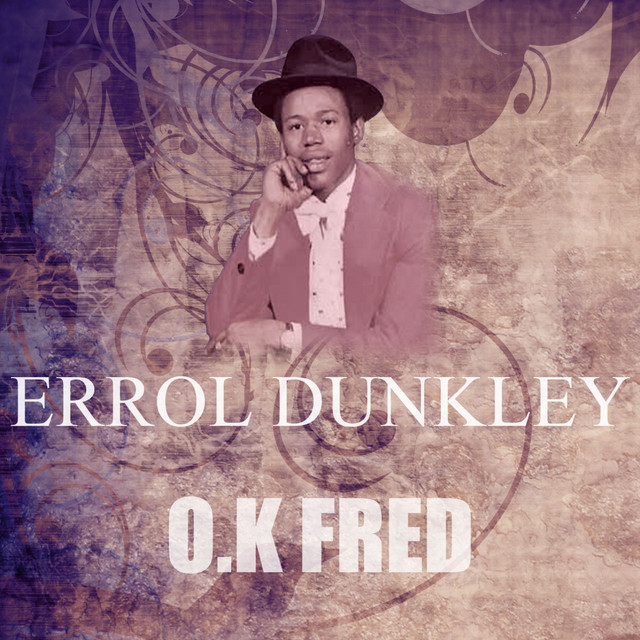
O.K Fred
Errol Dunkley
Old School Dancehall
2009
1
/5
The Trojan: Rocksteady Collection
Errol Dunkley
Old School Dancehall
Similar artists
1
/5
Various Artists
Afro-Funk
Alternative Rock
Ambient
2
/5
Al Campbell
Dub
Lovers Rock
Old School Dancehall
2
/5
Cultural Roots
Dub
Lovers Rock
Old School Dancehall
2
/5
Derrick Harriott
Jamaican Ska
Dub
Lovers Rock
2
/5
Nitty Gritty
Dancehall
Digital Dancehall
Dub
3
/5
Half Pint
Old School Dancehall
Dancehall
Lovers Rock
4
/5
Horace Andy
Dub
Lovers Rock
Reggae
3
/5
Barrington Levy
Dancehall
Reggae
Roots Reggae
3
/5
Gregory Isaacs
Lovers Rock
Rocksteady
Dub
3
/5
Dennis Brown
Rocksteady
Lovers Rock
Dub
Download our mobile app
Get the Melodigging app and start digging for new genres on the go
Download on the App Store
Get it on Google Play
© 2026 Melodigging
Give feedback
Legal
Melodding was created as a tribute to
Every Noise at Once
, which inspired us to help curious minds keep digging into music's ever-evolving genres.