Genres
Artists
Albums
Make Music
Sign in
Sign in
Artists
Chamamé
Artists
Chamamé
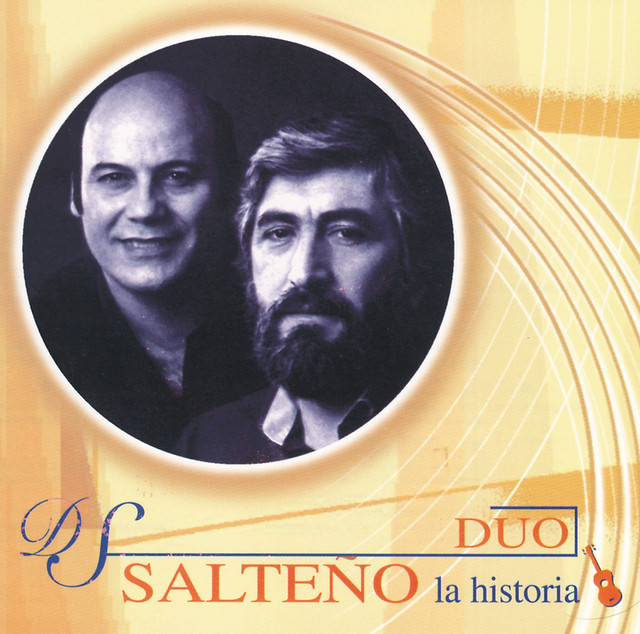
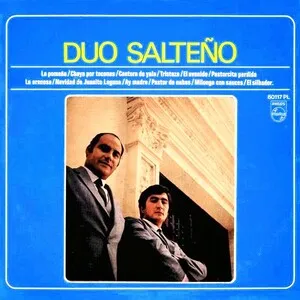
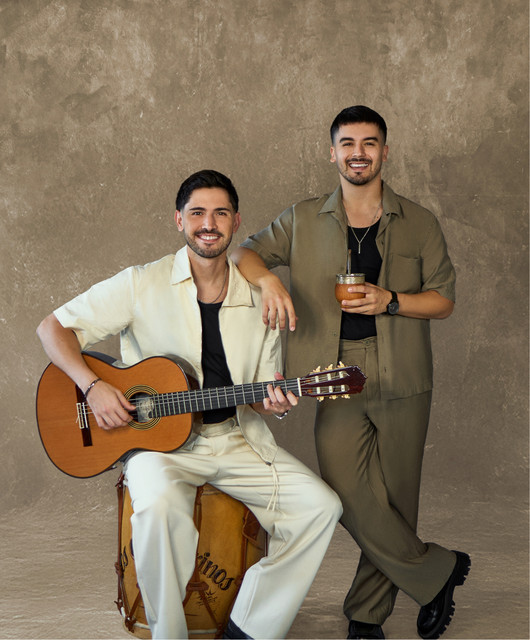
Dúo Salteño
3 albums
Listen
2
/5
Genres
Nuevo Cancionero
Nuevo cancionero is an Argentine movement and genre of socially conscious song that emerged in the early 1960s with the aim of renewing national popular music while foregrounding poetry, regional rhythms, and the lived realities of ordinary people. It blended traditional folk forms with a modern, author-driven approach, centering the voice of the singer-poet as a vehicle for artistic and political expression. Musically, it draws on Argentine folk rhythms such as zamba, chacarera, cueca, milonga, and vidala, often arranged for voice and guitar with bombo legüero and other folk instruments. Lyrically, it embraces metaphor, imagery, and testimonial narratives that address social justice, identity, exile, and cultural memory. Its repertoire became emblematic of resistance during periods of censorship and dictatorship, and its songs have since become part of the canon of Latin American protest and art song.
Discover
Listen
Folklore Argentino
Folklore argentino (música folklórica argentina) is the umbrella term for Argentina’s regional traditional music and song. It gathers styles such as chacarera and zamba from the Northwest, chamamé and rasguido doble from the Litoral, cueca and tonada cuyana from Cuyo, malambo and milonga pampeana from the Pampas, vidala and baguala from the Andean northwest, and many more. While its roots stretch back to the colonial era and to indigenous traditions, the genre crystallized as a modern national repertoire during the mid‑20th‑century folkloric boom. It is marked by guitar-based accompaniment (rasgueado strumming), bombo legüero drum pulses, rich vocal traditions (solo and choral), and dance forms in compound meters with characteristic hemiolas. Themes often evoke the land, the gaucho, love and longing, community festivities, indigenous memory, and social justice.
Discover
Listen
Chamamé
Chamamé is a traditional dance-music style from Argentina’s Litoral region (especially the province of Corrientes) characterized by a flowing 6/8–3/4 sesquiáltera feel, expressive accordion or bandoneón melodies, and guitars providing rhythmic and harmonic support. It is music for dancing in couples, with a swaying, gliding motion that mirrors the riverine landscapes of the Paraná and Uruguay rivers. The genre blends European social-dance influences (polka, schottische, mazurka, waltz) with Indigenous Guaraní aesthetics and language, often featuring the sapukai—a celebratory shout—within performances. Lyrically, chamamé is typically nostalgic and pastoral, evoking love, family, migration, and the natural environment, and it frequently mixes Spanish with Guaraní vocabulary.
Discover
Listen
Argentine Music
Argentine music is an umbrella term for the diverse musical traditions that developed within Argentina, spanning urban and rural, European, African-diasporic, and Indigenous roots. It is best known worldwide for tango, but also encompasses a rich array of folk styles (zamba, chacarera, chamamé, milonga, payada), urban popular music (rock nacional, pop), and contemporary urban scenes (cumbia argentina, trap). Its sound reflects waves of immigration (notably Spanish and Italian), the legacy of African rhythms via candombe and habanera, and Indigenous Andean and Guaraní influences—absorbed into criollo idioms and later reinterpreted in orchestral, jazz, and rock contexts. This synthesis created a distinct “porteño” urban sensibility in Buenos Aires and equally strong regional identities in the Northwest, Cuyo, the Littoral (litoraleña), and Patagonia.
Discover
Listen
Zamba
Zamba (with “z”) is a traditional Argentine song-and-dance form, distinct from Brazilian samba. It is a lyrical, courtship-oriented couple dance from Argentina’s northwest that uses a handkerchief (pañuelo) as a central prop. Musically, zamba is most often set in 6/8 with frequent hemiola (3:2) interplay against 3/4, producing a gently lilting yet subtly syncopated feel. Tempos are moderate to slow, and melodies are cantabile and expressive, with strophic forms that highlight poetic verses (coplas). Typical instrumentation includes voice, nylon‑string guitar (fingerpicked arpeggios), and bombo legüero; charango, violin, and other folk instruments may appear. The mood is romantic, nostalgic, and tender, with lyrics that often celebrate landscape, memory, and intimate dialogue. Iconic pieces like “Zamba de mi esperanza,” “La López Pereyra,” and “Alfonsina y el mar” exemplify its blend of poetic sensibility and graceful dance impulse.
Discover
Listen
Albums
Dúo Salteño
Dúo Salteño
Zamba
Dúo Salteño
Dúo Salteño
Argentine Music
Dúo Salteño
Dúo Salteño
Nuevo Cancionero
Similar artists
4
/5
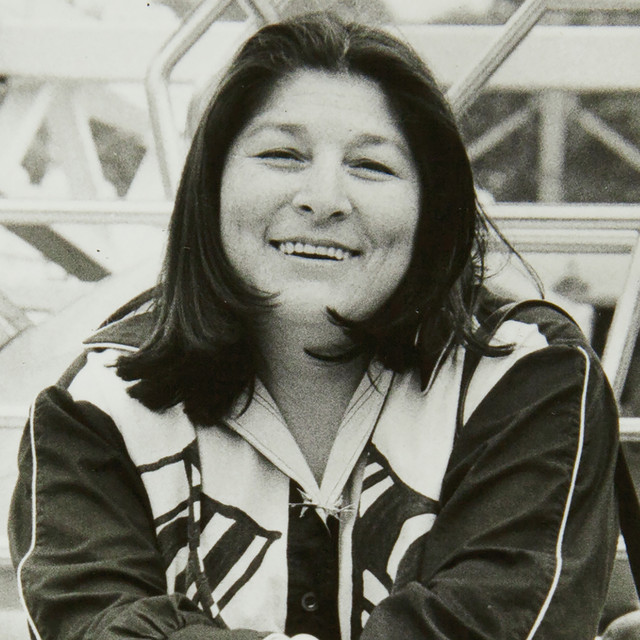
Mercedes Sosa
Nueva Canción
Argentine Music
Nuevo Cancionero
3
/5
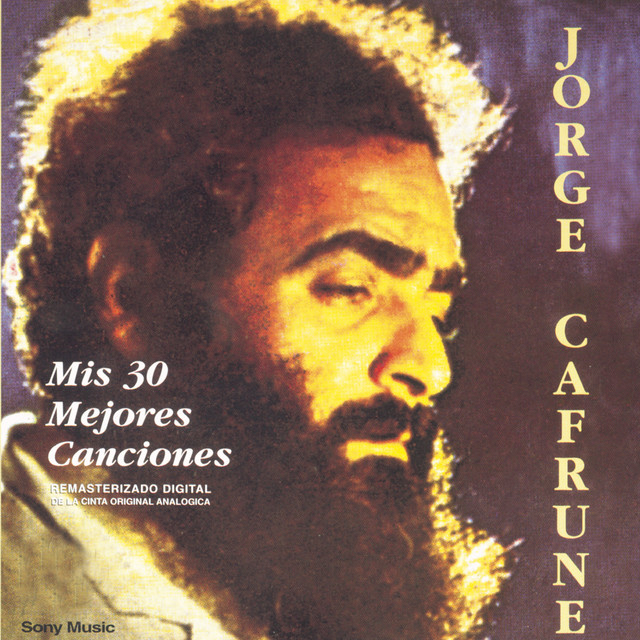
Jorge Cafrune
Zamba
Chamamé
Folklore Argentino
3
/5
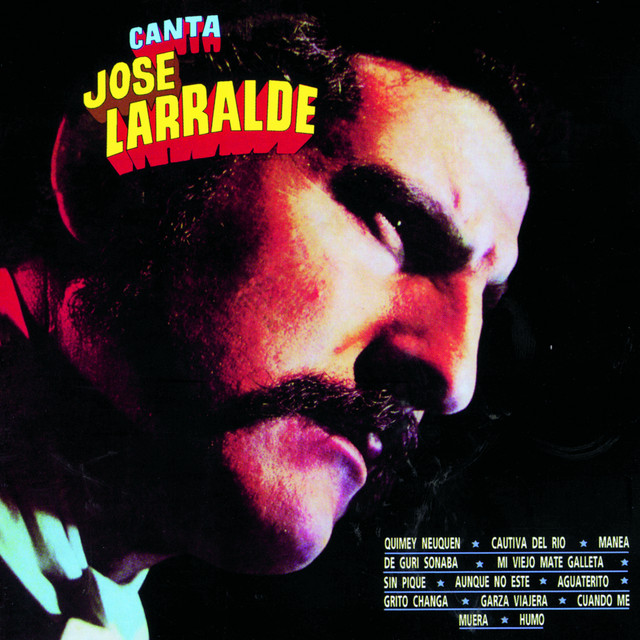
Jose Larralde
Nuevo Cancionero
Milonga
Argentine Music
2
/5
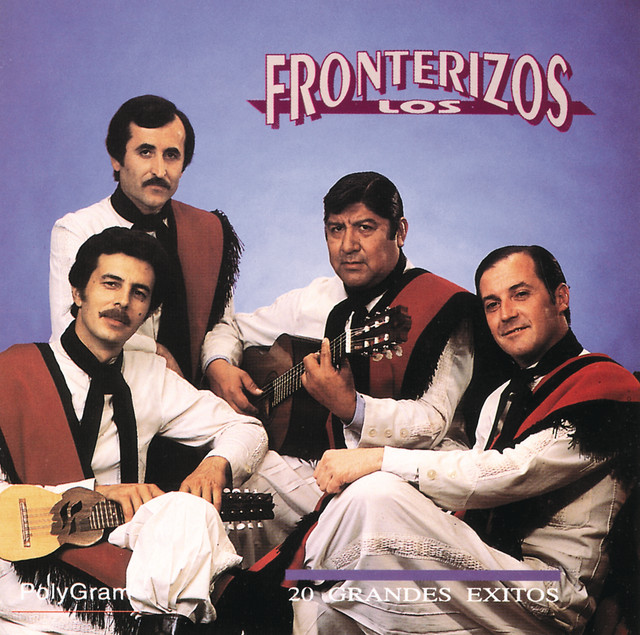
Los Fronterizos
Zamba
Chamamé
Folklore Argentino
3
/5
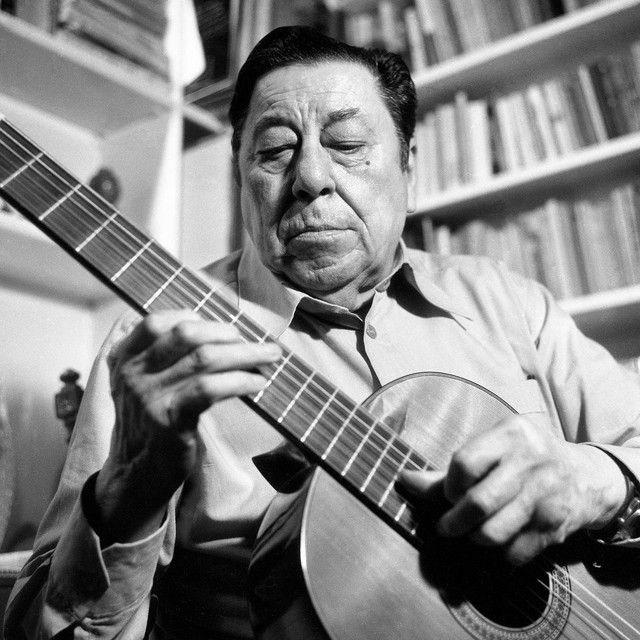
Atahualpa Yupanqui
Nuevo Cancionero
Argentine Music
Milonga
1
/5
Los Andariegos
Folclor Andino
Folklore Argentino
Zamba
4
/5
Chaqueño Palavecino
Folklore Argentino
Chacarera
Chamamé
4
/5
Soledad
Folklore Argentino
Chamamé
Latin Folk
3
/5
Campedrinos
Zamba
Folklore Argentino
Chamamé
3
/5
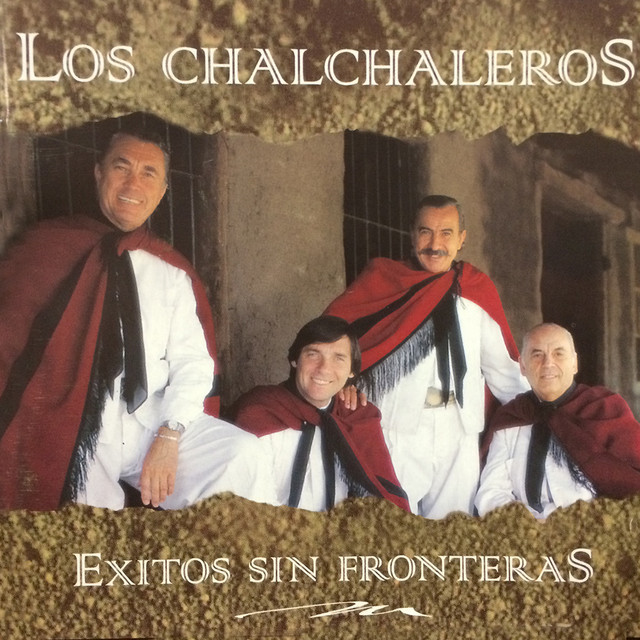
Los Chalchaleros
Zamba
Chamamé
Chacarera
Download our mobile app
Get the Melodigging app and start digging for new genres on the go
Download on the App Store
Get it on Google Play
© 2026 Melodigging
Give feedback
Legal
Melodding was created as a tribute to
Every Noise at Once
, which inspired us to help curious minds keep digging into music's ever-evolving genres.