Genres
Artists
Albums
Make Music
Sign in
Sign in
Artists
Choro
Artists
Choro
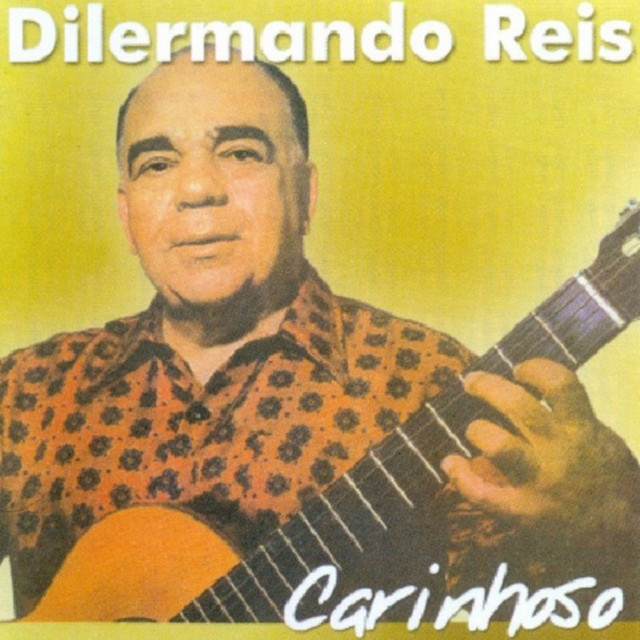
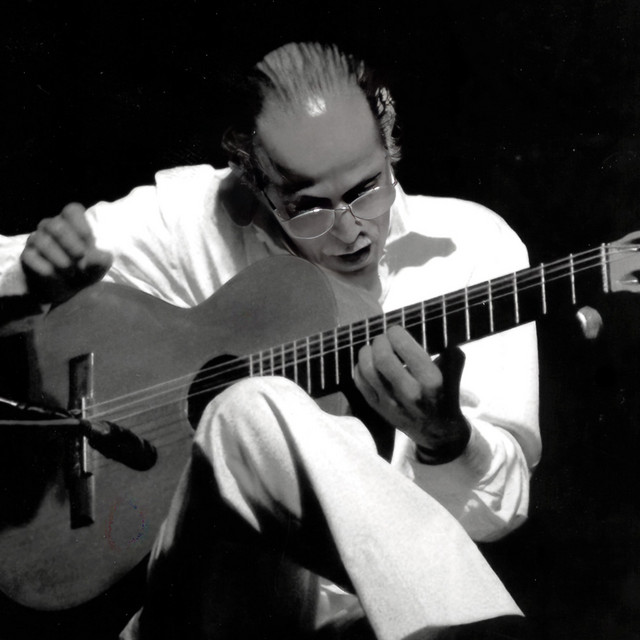
Dilermando Reis
2009–2021
·
3 albums
Listen
2
/5
Genres
Seresta
Seresta is a Brazilian tradition of nocturnal, romantic serenade-songs, typically performed by small groups beneath windows, on quiet streets, or in backyard gatherings. It blends the refined, sentimental poetics of the modinha with the lyrical sweep of waltzes and the instrumental lyricism of choro, favoring expressive vocals, rubato phrasing, and intimate acoustic accompaniment. The repertoire is slow to medium in tempo, often in 3/4 or gentle 2/4, and centers on themes of love, longing, moonlit nights, and saudade. Hallmark instruments include the violão (acoustic guitar), bandolim (mandolin), cavaquinho, flute, and light percussion, supporting a crooning vocal style that predates and foreshadows later romantic currents in Brazilian popular music.
Discover
Listen
Brazilian Classical Music
Brazilian classical music is the national art‑music tradition that fuses European concert music with the rhythms, melodies, and timbres of Brazil. It emerged as composers absorbed the harmonic language and forms of the Classical and Romantic eras and then wove in modinha, lundu, choro, and other popular/folk idioms. Across orchestral, chamber, operatic, and solo repertoire—often with guitar and voice at the center—its hallmarks include lyrical, song‑forward themes, syncopated and dance‑derived rhythms, colorful orchestration, and frequent evocations of regional and Indigenous materials. From the late‑Romantic operas of Carlos Gomes to Villa‑Lobos’s modernist Bachianas and Chôros cycles, the style maps a distinctly Brazilian identity onto classical craft.
Discover
Listen
Choro
Choro is an urban Brazilian instrumental genre that arose in Rio de Janeiro in the late 19th century. It blends European dance forms (polka, schottische, waltz, mazurka) with Afro-Brazilian rhythmic sensibilities from styles like lundu and early maxixe, producing a supple, highly syncopated groove. Typical choro ensembles (regionais) feature a lead melodic instrument—often flute, clarinet, or bandolim (mandolin)—supported by cavaquinho and 6-string guitar for harmony, a 7‑string guitar providing counter-melodic bass lines (baixarias), and pandeiro for light percussion. Pieces commonly use multi-strain forms (e.g., AABBACCA), incorporate modulations, and encourage melodic variations and counterpoint rather than long harmonic solos. The result is music that is both virtuosic and lyrical, at once salon-refined and street-savvy.
Discover
Listen
Albums
2021
2
/5
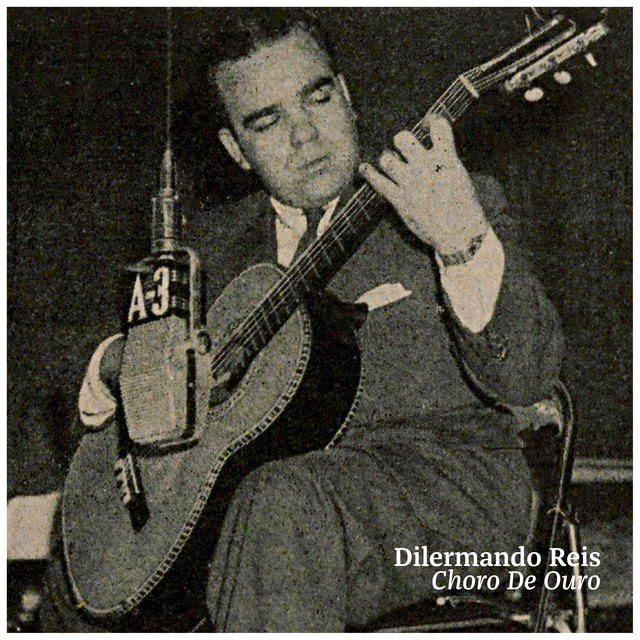
Choro De Ouro
Dilermando Reis
Choro
2020
1
/5
Violão Brasileiro
Dilermando Reis
Choro
2009
2
/5
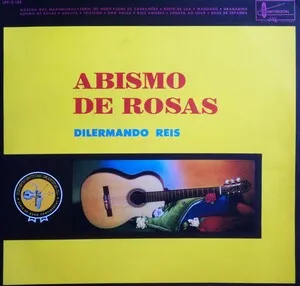
Abismo de rosas
Frédéric Chopin / Ludwig van Beethoven
Brazilian Classical Music
Choro
Similar artists
2
/5
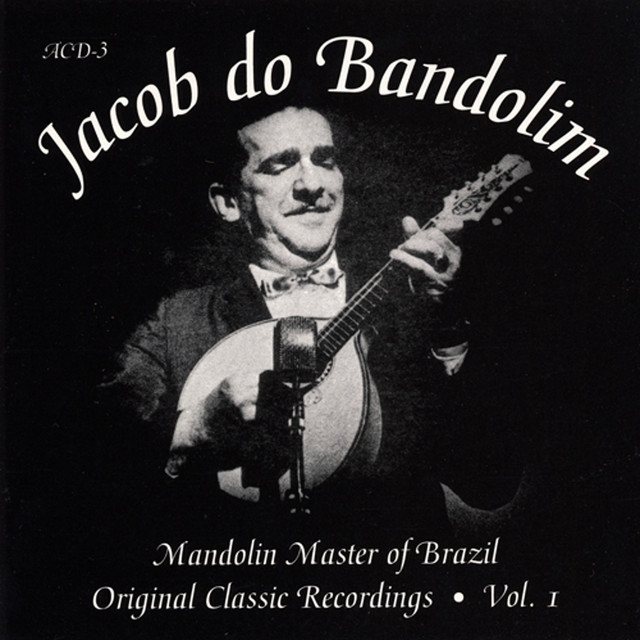
Jacob Do Bandolim
Choro
Latin
Brazilian Jazz
2
/5
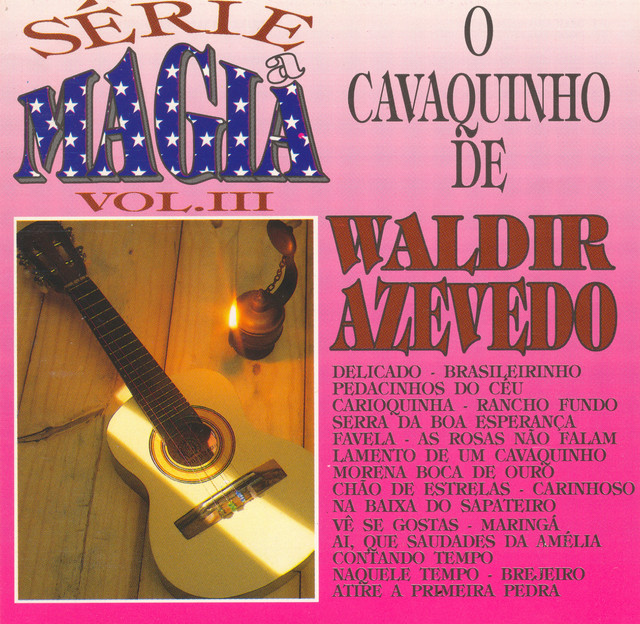
Waldir Azevedo
Baião
Choro
Samba
2
/5
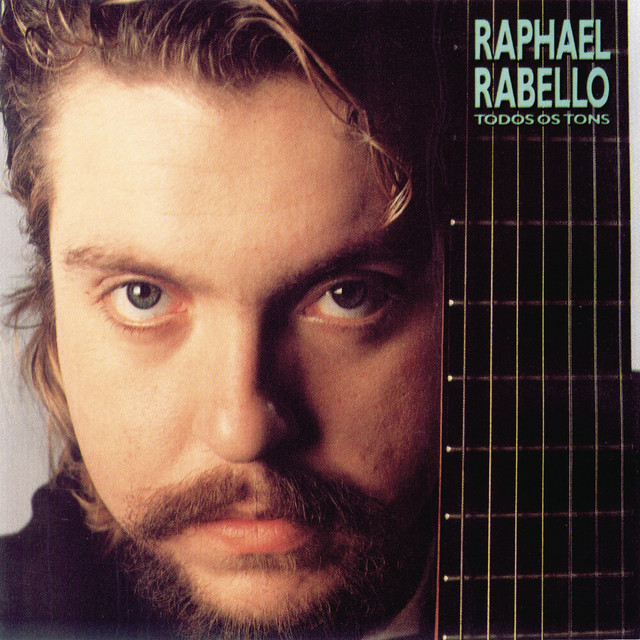
Raphael Rabello
Choro
Brazilian Jazz
Seresta
2
/5
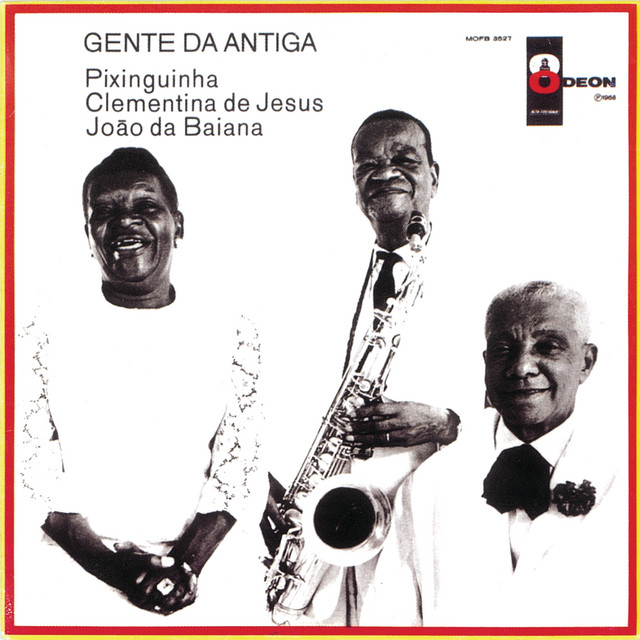
Pixinguinha
Choro
Bossa Nova
Brazilian Jazz
3
/5
Baden Powell
Samba-Jazz
Bossa Nova
Latin Jazz
2
/5
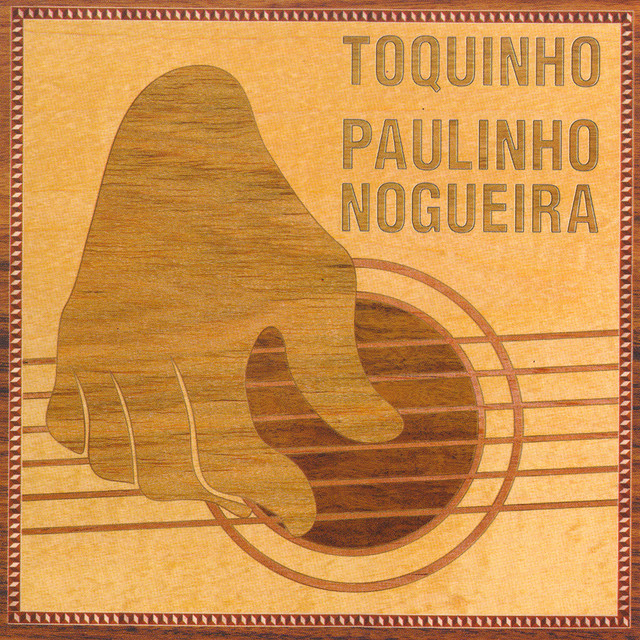
Paulinho Nogueira
Bossa Nova
Brazilian Classical Music
Brazilian Jazz
2
/5
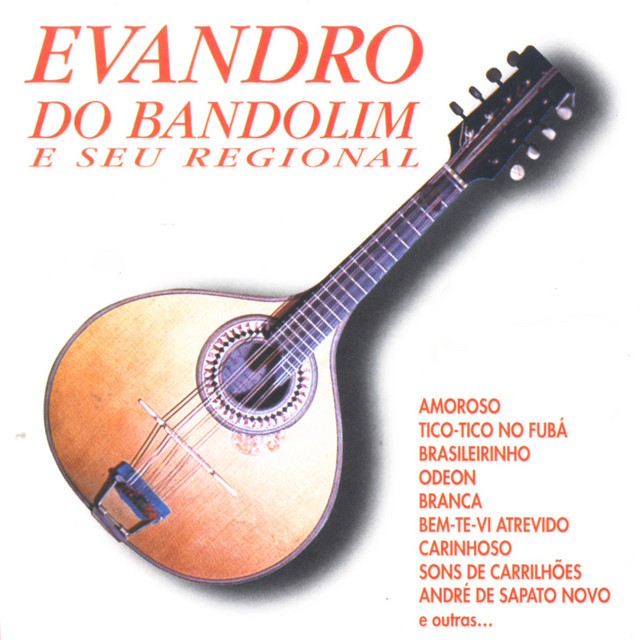
Evandro Do Bandolim
Seresta
Choro
4
/5
Toquinho
Bossa Nova
Mpb
Samba
2
/5
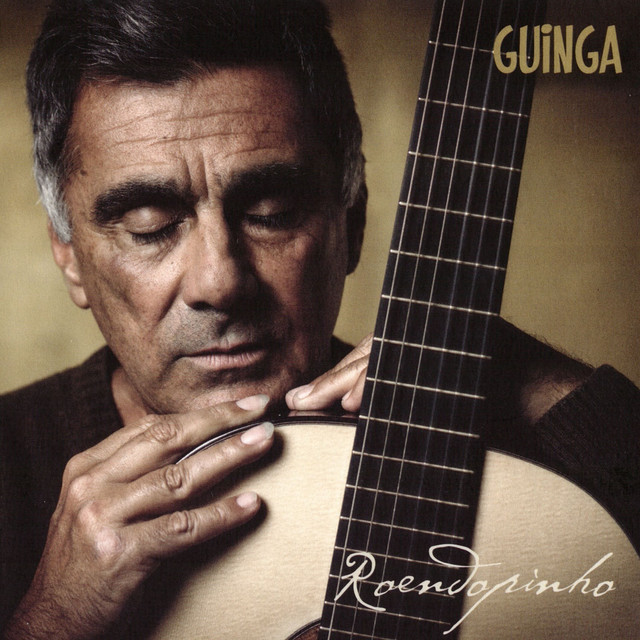
Guinga
Bossa Nova
Brazilian Jazz
Mpb
2
/5
Paulo Bellinati
Bossa Nova
Brazilian Classical Music
Brazilian Jazz
Download our mobile app
Get the Melodigging app and start digging for new genres on the go
Download on the App Store
Get it on Google Play
© 2026 Melodigging
Give feedback
Legal
Melodding was created as a tribute to
Every Noise at Once
, which inspired us to help curious minds keep digging into music's ever-evolving genres.