Genres
Artists
Albums
Make Music
Sign in
Sign in
Artists
Folk Rock
Artists
Folk Rock
David Crosby
1971
·
1 album
Listen
3
/5
Genres
Folk Rock
Folk rock is a fusion genre that blends the narrative lyricism, modal melodies, and acoustic timbres of traditional folk with the backbeat, amplification, and song structures of rock. It typically pairs acoustic or traditional instruments (acoustic guitar, mandolin, fiddle) with a rock rhythm section (electric guitar, bass, drums), often featuring chiming 12‑string guitar textures, close vocal harmonies, and socially conscious or storytelling lyrics. The result ranges from intimate, reflective ballads with a steady backbeat to more anthemic, roots‑driven rock. Emerging in the mid‑1960s through artists such as Bob Dylan and The Byrds, folk rock became a gateway for traditional and roots materials to enter mainstream popular music, and it seeded later movements from country rock and Americana to jangle pop and modern indie folk.
Discover
Listen
Singer-Songwriter
Singer-songwriter is a song-focused style in which the same person writes, composes, and performs their own material, often accompanying themselves on acoustic guitar or piano. It emphasizes personal voice, lyrical intimacy, and storytelling over elaborate production. Arrangements are typically sparse, allowing the melody, words, and performance nuance to carry the song’s emotional weight. While rooted in folk and blues traditions, singer-songwriter embraces pop and rock songcraft, producing works that can range from quiet confessional ballads to subtly orchestrated, radio-ready pieces.
Discover
Listen
Country Rock
Country rock is a hybrid of country music’s storytelling, twang, and acoustic textures with rock’s backbeat, amplification, and song structures. It typically features electric and acoustic guitars, pedal steel, close vocal harmonies, and a steady 4/4 groove, while lyrics focus on roads, small towns, heartbreak, and everyday American life. The sound ranges from jangly and rootsy to polished and radio-friendly, bridging bar-band energy with country elegance and shaping the template for later Americana and heartland styles.
Discover
Listen
Laurel Canyon Scene
The Laurel Canyon scene is a late‑1960s to early‑1970s Los Angeles musical movement centered around the hillside neighborhood of Laurel Canyon. Its sound blends folk’s acoustic intimacy with the rich harmonies and amplified jangle of rock, plus a mellow West Coast ease. Hallmarks include confessional, literate songwriting; stacked vocal harmonies; 12‑string electric shimmer; piano‑led balladry; light, swinging rhythms; and country‑tinged textures like pedal steel. The scene was as much a creative community as a sound—artists lived, wrote, and jammed together, cross‑pollinating ideas that shaped mainstream pop, soft rock, and singer‑songwriter music for decades. Culturally, it captured California’s post‑Beat, post‑Summer‑of‑Love sensibility: introspective yet sun‑washed, communal yet professionally polished, idealistic but tempered by adult realism.
Discover
Listen
Psychedelic Folk
Psychedelic folk (often called acid folk or psych folk) blends the acoustic intimacy and modal harmony of traditional folk with the exploratory textures, surreal lyricism, and studio experimentation of psychedelic music. It typically favors acoustic guitars, hand percussion, flutes, drones (e.g., tambura or harmonium), and small acoustic instruments, while embracing effects such as reverb, delay, tape manipulation, field recordings, and unconventional song structures. Lyrics tend toward the pastoral, mystical, and dreamlike—drawing on folklore, nature, and visionary or inward-looking themes. Musically, it often uses modal melodies (Dorian, Mixolydian), drones, fingerstyle guitar in open tunings, and hypnotic ostinatos, creating a hazy, otherworldly atmosphere that sits between singer‑songwriter intimacy and psychedelic exploration.
Discover
Listen
San Francisco Sound
The San Francisco Sound refers to the distinctive, improvisation-heavy psychedelic rock that emerged from the San Francisco Bay Area—especially Haight-Ashbury—during the mid-to-late 1960s. It is characterized by long, modal jams; a live-first ethos; prominent use of electric guitars with feedback and distortion; fluid, conversational improvisation among players; and a communal, countercultural sensibility. Bands frequently blended blues, folk, country, R&B, jazz, and raga influences, often incorporating droning textures, extended solos, and striking dynamic arcs. The scene was as much about place and community as sound: Bill Graham’s Fillmore, the Avalon Ballroom, light shows, the Acid Tests, underground FM radio, and Owsley Stanley’s high-fidelity sound systems all helped forge a large-room, enveloping live aesthetic that came to define the movement.
Discover
Listen
Contemporary Folk
Contemporary folk is a modern evolution of traditional folk aesthetics centered on intimate storytelling, clear melodies, and largely acoustic instrumentation. It favors voice-forward production, fingerpicked or gently strummed guitars, and arrangements that leave space for lyrics to resonate. While rooted in older folk ballad traditions, contemporary folk embraces current themes, production values, and song forms. Artists often blend guitar, banjo, mandolin, fiddle, upright or electric bass, light percussion, and close vocal harmonies, creating a warm, organic sound. The genre frequently addresses personal reflection, social issues, place, memory, and identity, balancing timeless simplicity with contemporary sensibilities.
Discover
Listen
Rock
Rock is a broad family of popular music centered on amplified instruments, a strong backbeat, and song forms that foreground riffs, choruses, and anthemic hooks. Emerging from mid‑20th‑century American styles like rhythm & blues, country, and gospel-inflected rock and roll, rock quickly expanded in scope—absorbing folk, blues, and psychedelic ideas—while shaping global youth culture. Core sonic markers include electric guitar (often overdriven), electric bass, drum kit emphasizing beats 2 and 4, and emotive lead vocals. Rock songs commonly use verse–chorus structures, blues-derived harmony, and memorable melodic motifs, ranging from intimate ballads to high‑energy, stadium‑sized performances.
Discover
Listen
Folk
Folk is a song-centered acoustic tradition rooted in community storytelling, everyday life, and social history. It emphasizes clear melodies, simple harmonies, and lyrics that foreground narrative, protest, and personal testimony. As a modern recorded genre, folk coalesced in the early-to-mid 20th century in the United States out of older ballad, work song, and rural dance traditions. It typically features acoustic instruments (guitar, banjo, fiddle, mandolin, harmonica), strophic song forms, and participatory singing (choruses, call-and-response).
Discover
Listen
Show all 9 genres
Albums
1971
3
/5
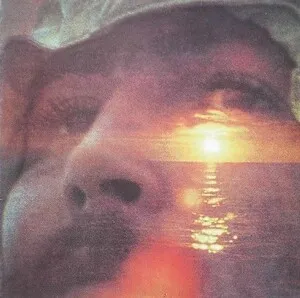
If I Could Only Remember My Name
David Crosby
San Francisco Sound
Laurel Canyon Scene
Psychedelic Folk
Similar artists
1
/5
Various Artists
Afro-Funk
Alternative Rock
Ambient
4
/5
Bruce Springsteen
Heartland Rock
Singer-Songwriter
Folk Rock
4
/5
Bob Dylan
Folk Rock
Roots Rock
Rock
4
/5
Neil Young
Folk Rock
Rock
Country Rock
4
/5
John Denver
Folk
Folk Rock
Country Pop
4
/5
Jim Croce
Folk Rock
Singer-Songwriter
Chill Pop
3
/5
Crazy Horse
Folk Rock
Roots Rock
Hard Rock
3
/5
Donovan
Psychedelic Folk
Folk Rock
Folk
3
/5
Tim Buckley
Psychedelic Folk
Folk
Folk Rock
3
/5
Stephen Stills
Country Rock
Folk Rock
Singer-Songwriter
Download our mobile app
Get the Melodigging app and start digging for new genres on the go
Download on the App Store
Get it on Google Play
© 2026 Melodigging
Give feedback
Legal
Melodding was created as a tribute to
Every Noise at Once
, which inspired us to help curious minds keep digging into music's ever-evolving genres.