Genres
Artists
Albums
Make Music
Sign in
Sign in
Artists
Pub Rock
Artists
Pub Rock
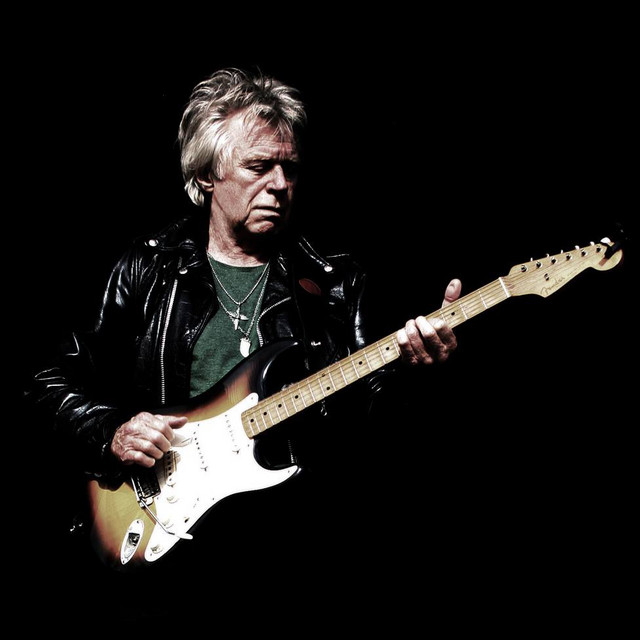
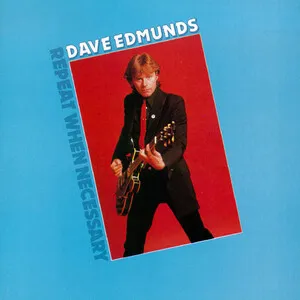
Dave Edmunds
1979–2013
·
4 albums
Listen
3
/5
Genres
Pub Rock
Pub rock is a back-to-basics British rock movement that took shape in small bars and clubs, emphasizing tight live playing, unfussy songwriting, and a no-frills image. It rejected the theatrical excesses of glam and the complexity of progressive rock in favor of short, punchy songs rooted in 1950s/60s rhythm & blues, rock and roll, country rock, and rockabilly. Built around the UK pub circuit, bands played at close quarters to the audience, with modest sound systems and minimal stage production. The result was a raw, energetic, and highly danceable sound—often driven by 12‑bar blues structures, shuffles, boogie grooves, and jangly or crunchy guitars—that celebrated the immediacy of live performance and set the stage for UK punk and new wave.
Discover
Listen
Power Pop
Power pop is a guitar-driven style that distills the melodic immediacy of 1960s British Invasion pop into concise, high-energy rock songs. It emphasizes big hooks, ringing guitars (often Rickenbacker-style jangle), tight vocal harmonies, and punchy, economical arrangements that typically run around three minutes. Lyrically, it leans toward youthful longing, romance, and bittersweet nostalgia, delivered with bright major-key progressions, chiming arpeggios, and sing-along choruses. Though Pete Townshend used the term in the late 1960s, the genre cohered in the early 1970s with bands like Badfinger, Big Star, and the Raspberries, and it has resurfaced repeatedly in waves through new wave, indie, and modern pop-punk contexts.
Discover
Listen
Blues Rock
Blues rock is a guitar-driven style that fuses the raw feeling and 12‑bar structures of the blues with the power, volume, and rhythmic punch of rock. It emphasizes riff-based songs, pentatonic and blues-scale soloing, call‑and‑response between voice and guitar, and an expressive, often gritty vocal delivery. Typical ensembles are power trios (guitar, bass, drums) or quartet formats adding second guitar, keyboards, or harmonica, and performances commonly feature extended improvisation. Sonically, it favors overdriven tube-amp tones, sustained bends, vibrato, and dynamic contrasts, moving from shuffles and boogies to straight‑eighth rock grooves.
Discover
Listen
Pop Rock
Pop rock blends the hook-focused immediacy of pop with the instrumentation and drive of rock. It prioritizes catchy melodies, concise song structures, and polished production while retaining guitars, bass, and drums as core elements. Typical pop rock tracks use verse–pre-chorus–chorus forms, strong vocal harmonies, and memorable riffs. The sound ranges from jangly and bright to mildly overdriven and arena-ready, aiming for radio-friendly appeal without abandoning rock’s rhythmic punch.
Discover
Listen
Rockabilly
Rockabilly is one of the earliest styles of rock and roll, fusing the twang and storytelling of Southern country ("hillbilly") with the driving backbeat and boogie of rhythm & blues and jump blues. It is marked by slap‑back echo on vocals and guitar, slapping upright bass, twangy hollow‑body electrics, and energetic, danceable grooves. The classic rockabilly sound emerged from mid‑1950s Memphis studios such as Sun Records, where minimal drum kits (or none at all) mixed with percussive bass and bright, overdriven guitars. Songs are typically short, hooky, and built on 12‑bar blues or simple I–IV–V progressions, with lyrics about love, cars, dancing, and youthful rebellion.
Discover
Listen
Rock And Roll
Rock and roll is a high-energy, dance-oriented popular music style that emerged in the United States in the early-to-mid 1950s. It fuses the 12‑bar blues and boogie‑woogie with the backbeat and instrumentation of rhythm & blues, the twang and storytelling of country, and the fervor of gospel. Its hallmark sound centers on a strong backbeat (accented on beats 2 and 4), driving rhythm sections, electric guitar riffs, prominent piano or saxophone leads, and catchy, chorus-forward songwriting. Typical harmonies revolve around I–IV–V progressions, often in 12-bar form, with swung or shuffle feels and punchy turnarounds. Culturally, rock and roll catalyzed a youth movement linked to dancing, teen identity, and social change. It bridged racial audiences by popularizing Black American musical traditions for mainstream listeners, and it laid the foundation for subsequent rock styles and much of modern pop.
Discover
Listen
Rock
Rock is a broad family of popular music centered on amplified instruments, a strong backbeat, and song forms that foreground riffs, choruses, and anthemic hooks. Emerging from mid‑20th‑century American styles like rhythm & blues, country, and gospel-inflected rock and roll, rock quickly expanded in scope—absorbing folk, blues, and psychedelic ideas—while shaping global youth culture. Core sonic markers include electric guitar (often overdriven), electric bass, drum kit emphasizing beats 2 and 4, and emotive lead vocals. Rock songs commonly use verse–chorus structures, blues-derived harmony, and memorable melodic motifs, ranging from intimate ballads to high‑energy, stadium‑sized performances.
Discover
Listen
Show all 7 genres
Albums
2013
1
/5
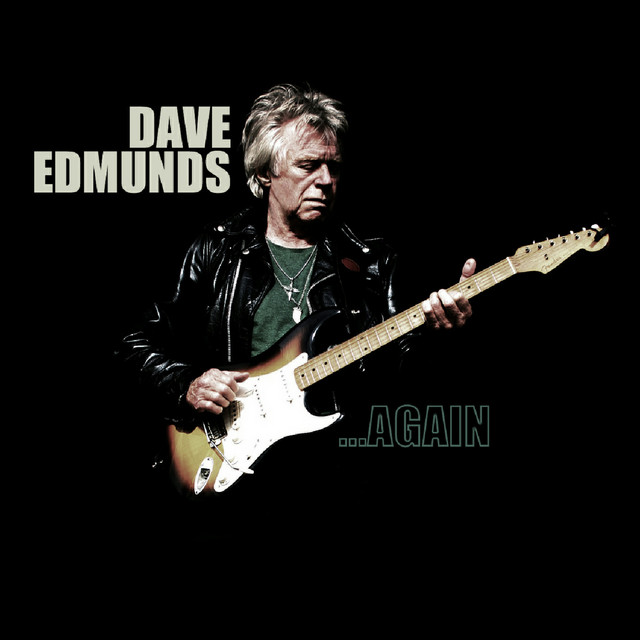
Again
Dave Edmunds
Pub Rock
2005
2
/5
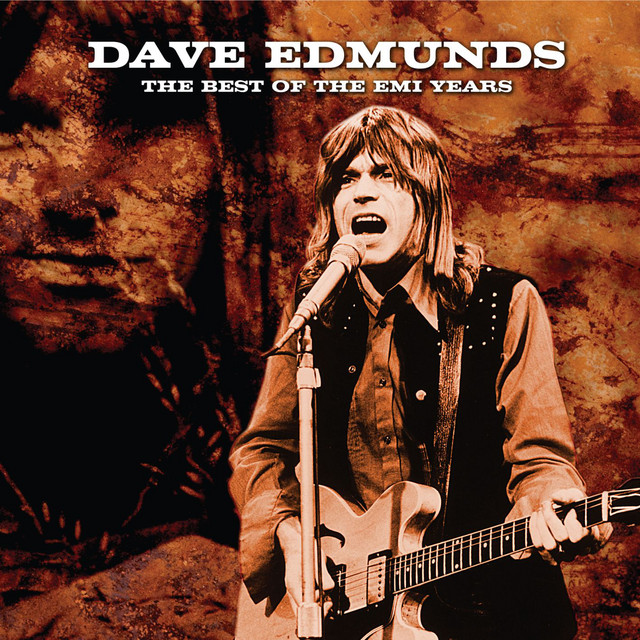
The Best Of The EMI Years
Dave Edmunds
Pub Rock
1998
2
/5
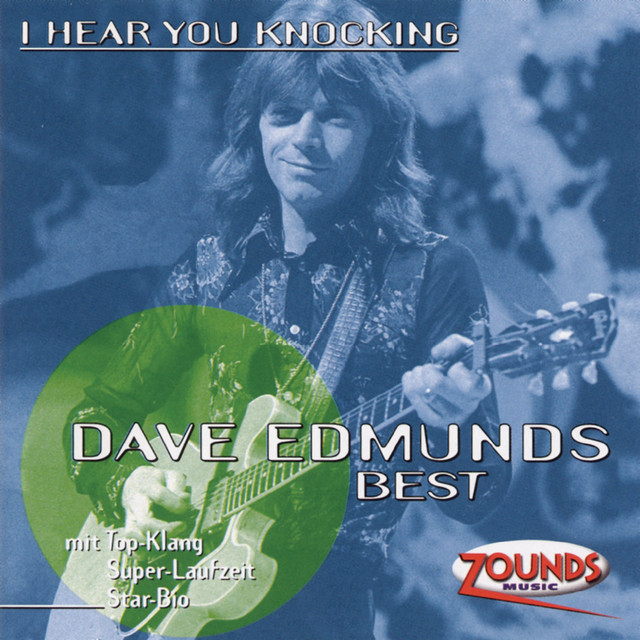
Dave Edmunds Best
Dave Edmunds
Pub Rock
1979
3
/5
Repeat When Necessary
Dave Edmunds
Pub Rock
Rock And Roll
Similar artists
1
/5
Various Artists
Afro-Funk
Alternative Rock
Ambient
2
/5
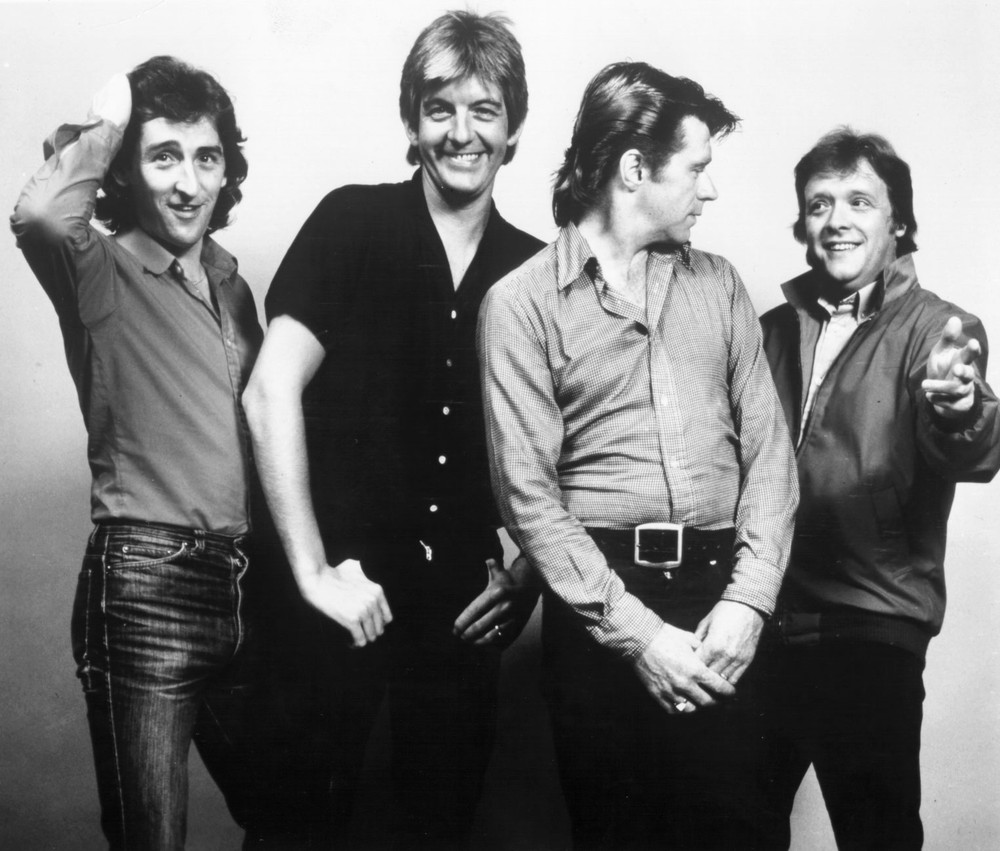
Rockpile
Power Pop
Rockabilly
Pub Rock
3
/5
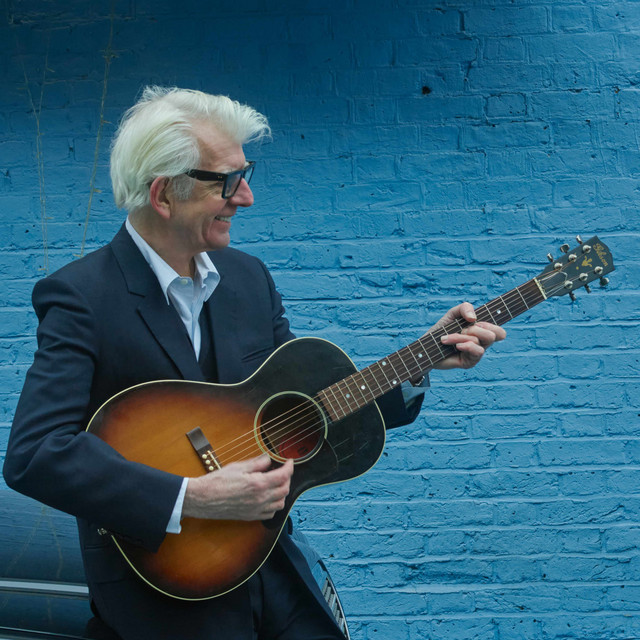
Nick Lowe
Pub Rock
Rock
Power Pop
4
/5
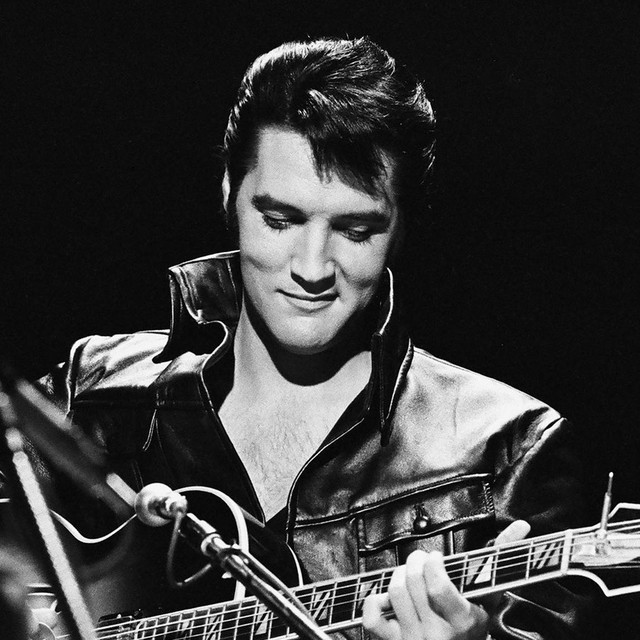
Elvis Presley
Rock And Roll
Rockabilly
Pop
4
/5
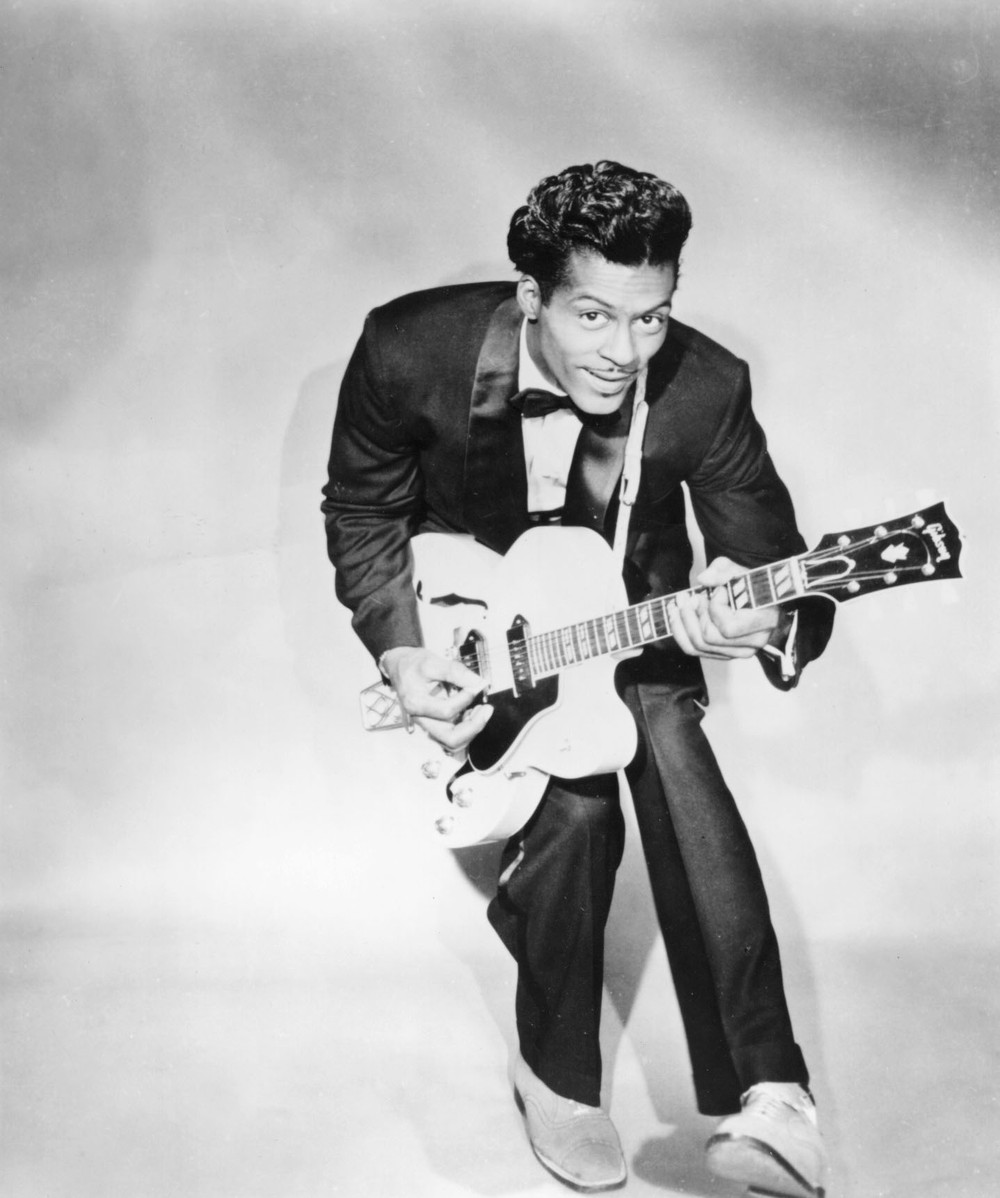
Chuck Berry
Rock And Roll
Rockabilly
Blues
3
/5
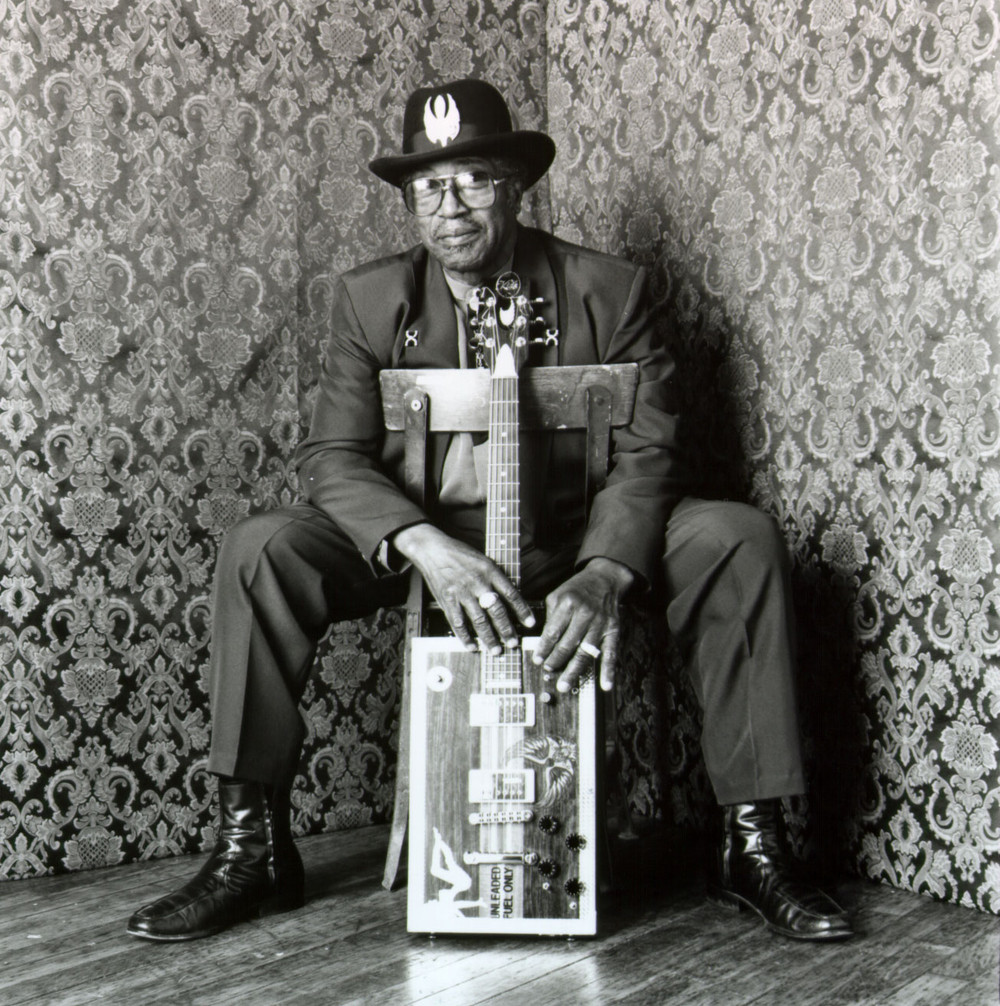
Bo Diddley
Blues
Rock And Roll
Acoustic Blues
2
/5
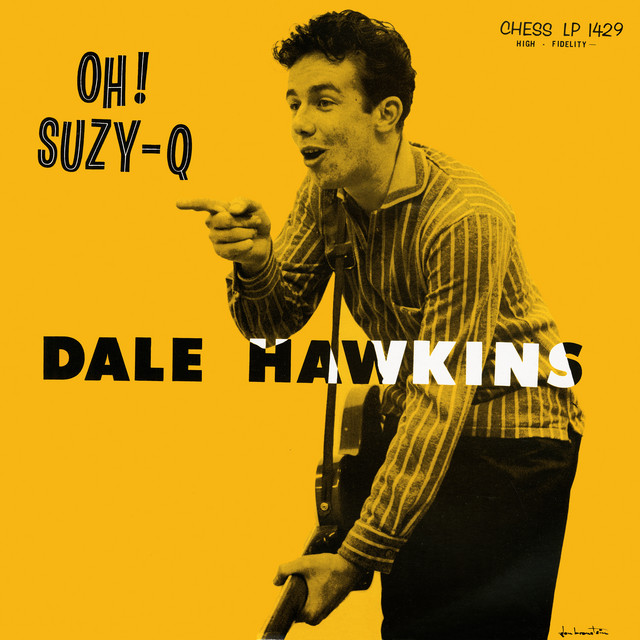
Dale Hawkins
Psychobilly
Rock And Roll
Rockabilly
2
/5
Graham Parker
Pub Rock
New Wave
Power Pop
3
/5
Dr. Feelgood
Pub Rock
Blues Rock
British Blues
2
/5
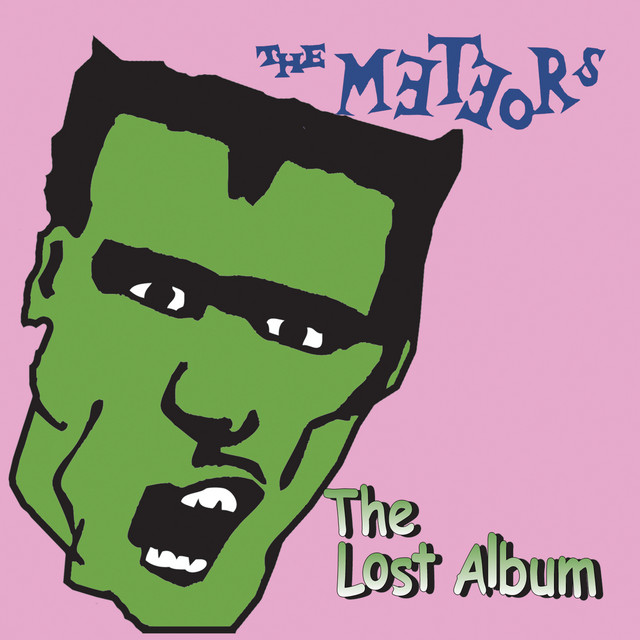
The Meteors
Psychobilly
Pub Rock
Horror Punk
Download our mobile app
Get the Melodigging app and start digging for new genres on the go
Download on the App Store
Get it on Google Play
© 2026 Melodigging
Give feedback
Legal
Melodding was created as a tribute to
Every Noise at Once
, which inspired us to help curious minds keep digging into music's ever-evolving genres.