Genres
Artists
Albums
Make Music
Sign in
Sign in
Artists
Covertronica
Artists
Covertronica
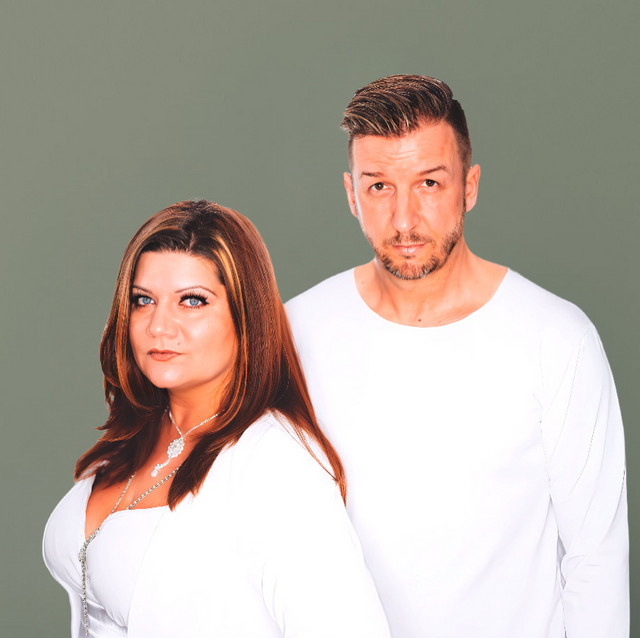
Darius & Finlay
Listen
3
/5
Genres
Future Rave
Future rave is an electronic dance music style popularized by David Guetta and MORTEN that fuses the dark, muscular drive of techno with the euphoric tension-and-release of trance and the festival scale of big room house. It typically sits around 126–130 BPM, uses minor-key progressions, saturated supersaw leads, reese/rolling basslines, chunky offbeat stabs, and cinematic build-ups. The sonic palette favors gritty, modern sound design (distorted yet controlled), 909/modern drum kits, and atmospheric FX that enhance a nocturnal, high-stakes mood. Unlike brighter, pop-facing EDM, future rave keeps a moody, industrial sheen while still delivering emotional, hands-in-the-air breakdowns and anthemic toplines.
Discover
Listen
Pumpcore
Pumpcore is a hyper-energetic, gym-oriented microgenre that blends blown-out bass, sped-up hooks, and hard-hitting drops tailored for workout intensity and short-form video edits. It borrows from trap (and EDM-trap), phonk’s gritty timbres, hardstyle’s festival-scale builds, and nightcore-style acceleration, then pushes everything through aggressive saturation and sidechain “pump” to create a relentless, motivational surge. Tracks typically revolve around a memorable vocal or lead riff that has been time-stretched, pitch-shifted, and looped to maximize adrenaline and impact.
Discover
Listen
Covertronica
Covertronica is a microgenre centered on electronically produced cover versions of well‑known songs. Artists retain the recognizability of the original melodies and hooks, but reimagine them with contemporary electronic palettes—glossy synths, side‑chained pads, drum machines, 808s, and modern pop/EDM production. The style thrives on clever reharmonization (e.g., minor/major flips), tempo shifts, and textural redesign, often translating rock, soul, or classic pop into sleek electropop/indietronica frameworks. Vocals are typically polished and upfront, with stacked harmonies, tight autotune as a color (when desired), and arrangement tricks such as filtered intros, half‑time drops, and breakdowns that mirror club and synth‑pop dynamics. Because the repertoire comes from existing songs, covertronica is as much about curatorial taste and arrangement craft as it is about sound design, making it a meeting point between DJ culture’s recontextualization and the singer‑producer era of the internet.
Discover
Listen
Vixa
Vixa is a Polish club-oriented strain of mainstream EDM that blends the swagger of big room house with the bouncy drive of Melbourne bounce and Dutch house. In Poland, “vixa” is also slang for a wild party, and the genre reflects that ethos: hard-hitting kicks, bold supersaw or brass-stab leads, and simple, chantable hooks designed for maximum dancefloor impact. Typically sitting around 128–132 BPM, vixa favors dramatic snare-roll builds, pitch-rising risers, and explosive drops with offbeat bass patterns. DJ edits of pop and regional hits—reworked into high-energy drops—are common, helping the sound dominate Polish club nights and festival stages where it thrives on big, euphoric moments.
Discover
Listen
Big Room House
Big room house is a festival-focused strain of EDM built for massive sound systems and outdoor main stages. It typically runs around 126–132 BPM (most commonly 128), uses four-on-the-floor kick patterns, and features huge, simple lead riffs designed to be instantly memorable to large crowds. A defining trait is the contrast between cinematic, reverb-washed breakdowns and ultra-dry, percussive drops driven by a powerful kick, sub, and a few bold supersaw or horn-like synth stabs. Arrangements lean on dramatic builds with snare rolls, risers, and crowd-hyping vocal chops, culminating in drops that emphasize impact over harmonic complexity.
Discover
Listen
Dakke Dak
Dakke Dak (also spelled Dakkedak) is a Danish electronic dance music subgenre and slang term that emerged as a distinct cultural phenomenon in the 2010s. Musically, it is a high-energy fusion of various hard dance styles, primarily drawing from Psytrance, Hardstyle, Melbourne Bounce, and Hands Up techno. The name is an onomatopoeia mimicking the rapid, pounding "dak-dak-dak" sound of the heavy basslines and kick drums characteristic of the genre. It is strongly associated with provincial Danish youth culture, "tramper" (stomping) dance styles, car audio culture, and parties in rural or suburban areas. The lyrics are almost exclusively in Danish, often humorous, hedonistic, and centered around drinking, partying, and local identity.
Discover
Listen
Future House
Future house is a mid‑2010s strain of house music known for rubbery, plucked bass leads, clean and punchy drums, and streamlined, drop‑focused arrangements. It bridges the groove and warmth of deep/UK house with the sheen and impact of big‑room/electro‑house, often featuring metallic or organ‑like bass timbres that “speak” melodically. Typical tracks sit around 124–128 BPM, use tight sidechain compression for a pumping feel, and contrast sparse, atmospheric breakdowns with hooky, syncopated bass drops. Vocals, when present, are concise—often chopped or pitched—and the sound design emphasizes clarity, swing, and a modern, club‑ready polish.
Discover
Listen
Sky Room
Sky room is a streaming-era microgenre of airy, pastel-hued alt‑pop and indie R&B that sits between bedroom pop and chill electronic music. It emphasizes soft, close-miked vocals, spacious reverbs, light trap‑influenced percussion, and gentle synth or clean guitar textures. The overall sound is weightless and daydreamy—designed as much for background listening as for late‑night introspection. Lyrically, sky room leans toward intimate, confessional themes—quiet anxieties, tender romance, and coming‑of‑age self-reflection—conveyed with minimalist phrasing and catchy, understated hooks.
Discover
Listen
Hands Up
Hands up is a high-energy, melodic European dance style characterized by four-on-the-floor beats, bright supersaw leads, and euphoric, singalong choruses. Tracks typically sit around 140–145 BPM and emphasize catchy toplines, uplifting chord progressions in major keys, and festival-friendly builds with snare rolls, risers, and pitch-lifted transitions. The genre thrives on polished, radio-ready production and often features female vocals with simple, feel-good lyrics about love, escapism, and partying. Its sound occupies a sweet spot between Eurodance and trance: more pop-forward than classic trance, but more anthemic and faster than most Eurodance, making it ideal for both clubs and mainstream airplay in the mid-to-late 2000s.
Discover
Listen
Pop House
Pop house is a radio-friendly fusion of house music’s four-on-the-floor grooves with the melodic hooks, verse–pre-chorus–chorus structures, and lyrical focus of mainstream pop. It typically runs at 120–128 BPM, centers a steady kick, off‑beat hi‑hats, and clap/snare on 2 and 4, and uses bright piano stabs, synth pads, or guitar riffs to support catchy, topline vocals. The result is music designed equally for clubs, charts, and streaming playlists: accessible, hook-driven, and danceable. Compared with EDM-pop, pop house tends to keep house’s subtler drop language, groove-forward basslines, and classic organ/piano timbres, while foregrounding concise, singable choruses and polished, contemporary production.
Discover
Listen
Show all 10 genres
Similar artists
4
/5
MEDUZA
Pop House
Covertronica
Deep Big Room
4
/5
ItaloBrothers
Hands Up
Italo Dance
Covertronica
3
/5
DJ Gollum
Hands Up
Covertronica
Doomshop Phonk
3
/5
Groove Coverage
Hands Up
Covertronica
Eurodance
3
/5
Mike Candys
Pop House
Covertronica
Deep Big Room
3
/5
Pakito
Eurodance
Pop House
Covertronica
3
/5
Master Blaster
Covertronica
Eurodance
Hands Up
3
/5
Plastik Funk
Covertronica
Deep Big Room
Pop House
3
/5
Empyre One
Covertronica
Hardstyle
Vixa
1
/5
Various Artists
Afro-Funk
Alternative Rock
Ambient
Download our mobile app
Get the Melodigging app and start digging for new genres on the go
Download on the App Store
Get it on Google Play
© 2026 Melodigging
Give feedback
Legal
Melodding was created as a tribute to
Every Noise at Once
, which inspired us to help curious minds keep digging into music's ever-evolving genres.