Genres
Artists
Albums
Make Music
Sign in
Sign in
Artists
Experimental Hip Hop
Artists
Experimental Hip Hop
dälek
2002–2024
·
5 albums
Listen
2
/5
Genres
Chill Abstract Hip Hop
Chill abstract hip hop is a downtempo, largely instrumental branch of abstract hip hop that prioritizes mood, space, and texture over virtuosic rapping or hard-edged beats. Characterized by swung, half-time grooves around 70–90 BPM, jazzy extended chords, vinyl crackle, tape hiss, and warm, dusty sampling, it blends boom-bap drum sensibilities with ambient and downtempo atmosphere. The result is contemplative, mellow, and cinematic—music often used for studying, reading, or late-night reflection. Production typically features Rhodes, nylon-string guitar, upright bass, brushed snares, and chopped Rhodes/piano or soul-jazz samples, occasionally accented by soft vocal snippets rather than full verses. While it overlaps with lo-fi hip hop and trip hop, it tends to be more harmonically nuanced than pure “study beats” and more minimal and meditative than classic jazz-rap.
Discover
Listen
Experimental Hip Hop
Experimental hip hop (often called avant-rap or left-field hip hop) pushes rap beyond conventional song forms, sound palettes, and production techniques. It hybridizes boom‑bap and contemporary hip hop rhythms with ideas from industrial, noise, IDM, electroacoustic music, and free jazz, favoring timbral risk‑taking, collage, and abstraction over radio‑oriented polish. Producers and MCs in this style disrupt expectations with unusual meters, asymmetric loops, microtiming, extreme dynamics, and heavy sound design (distortion, granular and spectral processing, tape manipulation). Vocals may range from conventional rapping to spoken word, chant, screams, or heavily processed deliveries. The result foregrounds texture, mood, and concept as much as groove and lyrical content.
Discover
Listen
Abstract Hip Hop
Abstract hip hop is a deliberately experimental, left-field branch of hip hop that emphasizes mood, texture, and unconventional structures over radio-oriented hooks. Beats are often off-kilter, skeletal, or rhythmically unstable, with heavy use of negative space, collage-like sampling, noise, and ambient wash. Production draws from IDM, illbient, trip hop, and dub, favoring granular edits, tape hiss, vinyl crackle, and detuned or atonal timbres. Vocals, when present, lean toward stream‑of‑consciousness poetics, surreal imagery, dense internal rhyme, and non-linear narrative, frequently eschewing traditional verse–chorus formats. The result is a challenging but evocative sound world—introspective, cinematic, and sometimes abrasive—that reshaped the possibilities of underground hip hop in the late 1990s and 2000s.
Discover
Listen
Industrial Hip Hop
Industrial hip hop is a fusion genre that threads the rhythmic backbone of hip hop with the abrasive textures, mechanical timbres, and confrontational aesthetics of industrial music. It typically features heavy, distorted percussion, metallic hits, harsh noise layers, and sample collage techniques, while retaining MC-driven vocals or spoken-word cadences. The style leans into sonic extremity: detuned or bitcrushed drums, re-amped breaks, atonal drones, and saturated bass coexist with turntablism, dub-informed space, and politically charged lyricism. Tempos often sit in the 80–110 BPM range, but feel lurching and monolithic due to swung grooves, halting gates, and heavy compression. Lyrically and thematically, industrial hip hop embraces dystopian urban imagery, media critique, and social protest, mirroring its rugged sound design with stark, incisive narratives.
Discover
Listen
Post-Industrial
Post-industrial is an umbrella term for the diverse musical currents that evolved out of first‑wave industrial music in the early 1980s. Rather than a single sound, it describes a methodology: the recontextualization of noise, tape collage, found sound, non‑traditional percussion, and transgressive or esoteric themes into new hybrids. It commonly emphasizes textural experimentation over conventional song form, drawing on ambient drones, harsh electronics, ritualistic rhythms, and performance-art strategies. The scene grew through DIY cassette culture, mail‑art networks, and small independent labels, fostering substyles like power electronics, dark ambient, neofolk, martial industrial, and illbient. Aesthetically, post‑industrial retains industrial’s confrontational stance but disperses it into atmospheric, political, mystical, and avant‑garde directions, making it as much a way of working with sound and media as a genre label.
Discover
Listen
Dark Ambient
Dark ambient is a post‑industrial subgenre that coalesced in the mid‑1980s, drawing primarily on ambient music but shifting its focus toward ominous, subterranean space and timbre. It is characterized by long, low‑frequency drones; dissonant or microtonal overtones; and an enveloping, gloomy or catacomb‑like atmosphere. While largely electronic (synthesizers, samplers, tape and digital processing), artists frequently incorporate field recordings, contact‑mic textures, bowed metal, gongs, and fragments of traditional instruments captured with semi‑acoustic techniques and then heavily processed. Melody and pulse are minimized; instead the music emphasizes immersive sound design, psychoacoustic detail, and slowly evolving textures that evoke dread, awe, and isolation.
Discover
Listen
Industrial
Industrial is an experimental electronic music tradition that uses abrasive timbres, mechanical rhythms, and transgressive aesthetics. Its sound palette often includes distorted drum machines, tape loops, metallic percussion, feedback, and found-object recordings alongside synthesizers and samplers. Emerging from late-1970s UK underground art and performance scenes, industrial foregrounds themes of dehumanization, technology, surveillance, and power. Releases frequently embrace anti-commercial presentation, stark graphic design, and confrontational performance art, treating the studio as a laboratory for sonic manipulation rather than a vehicle for conventional songcraft. While early industrial emphasized noise, tape processing, and avant-garde collage, later waves fused the style with dancefloor precision (EBM), rock and metal heft, and club-oriented production, giving rise to a broad post-industrial family that remains influential in experimental, electronic, and popular music.
Discover
Listen
Industrial & Noise
Industrial & noise is an umbrella for abrasive, experimental music that foregrounds distortion, mechanical rhythm, feedback, and non-musical sound sources. It merges the harsh timbral explorations of noise with the confrontational, machine-driven aesthetics of industrial. Artists typically use found objects, scrap metal, feedback systems, tape manipulation, and heavily processed electronics alongside drum machines and synthesizers. The style ranges from arrhythmic walls of sound to regimented, factory-like beats, often eschewing conventional harmony in favor of texture, density, and psychoacoustic impact. Thematically, it is frequently transgressive and confrontational—exploring dehumanization, technology, power structures, and catharsis—while performance practice can be theatrical, ritualistic, and intensely physical.
Discover
Listen
Industrial Rock
Industrial rock fuses the abrasive sonics of industrial music with the riffs, song structures, and performance energy of rock. Characterized by distorted guitars, pounding drum machines, sequenced bass lines, metallic samples, and heavily processed vocals, the style evokes a mechanized, dystopian atmosphere. Tempos often sit between 100–140 BPM, with rigid 4/4 grooves, syncopated patterns, and looped motifs that feel relentless and machine-driven. Lyrically and aesthetically, industrial rock often explores themes of alienation, power, technology, politics, and transgression, drawing on post-punk’s nihilism and performance-art provocation while retaining rock’s hook-driven choruses.
Discover
Listen
Hip Hop
Hip hop is a cultural and musical movement that emerged from Black, Latino, and Caribbean communities, centering around rapping (MCing), DJing/turntablism, sampling-based production, and rhythmic speech over beats. It prioritizes groove, wordplay, and storytelling, often reflecting the social realities of urban life. Musically, hip hop is built on drum-centric rhythms (from breakbeats to 808 patterns), looped samples, and bass-forward mixes. Lyrically, it ranges from party anthems and braggadocio to political commentary and intricate poetic forms, with flow, cadence, and rhyme density as core expressive tools. Beyond music, hip hop encompasses a broader culture, historically intertwined with graffiti, b-boying/b-girling (breakdance), fashion, and street entrepreneurship, making it both an art form and a global social language.
Discover
Listen
Noise
Noise is an experimental music genre that uses non-traditional sound sources, distortion, feedback, and extreme dynamics as primary musical materials. Instead of emphasizing melody, harmony, or conventional rhythm, it focuses on texture, density, timbre, and the physical presence of sound. Practitioners sculpt saturated walls of sound, piercing feedback, metallic clatter, contact-mic scrapes, tape hiss, and electronic interference into works that can be confrontational or meditative. Performances often highlight process and immediacy—improvisation, body movement, and site-specific acoustics—while recordings can range from lo-fi cassette overload to meticulously layered studio constructions. Though rooted in early avant-garde ideas, the genre coalesced as a distinct practice in the late 1970s and 1980s, especially through Japan’s ‘Japanoise’ scene, and subsequently influenced numerous styles across industrial, punk-adjacent, and experimental electronic music.
Discover
Listen
Experimental
Experimental music is an umbrella term for practices that prioritize exploration, process, and discovery over adherence to established genre norms. It embraces new sound sources, nonstandard tuning systems, indeterminacy and chance operations, graphic and open-form scores, extended techniques, and technology-led sound design (tape, electronics, computers, and live processing). Rather than a single style, it is a methodology and ethos: testing hypotheses about sound, structure, and performance, often blurring boundaries between composition, improvisation, sound art, and performance art. Listeners can expect unfamiliar timbres, unusual forms, and an emphasis on how music is made as much as the resulting sound.
Discover
Listen
Show all 12 genres
Albums
2024
1
/5
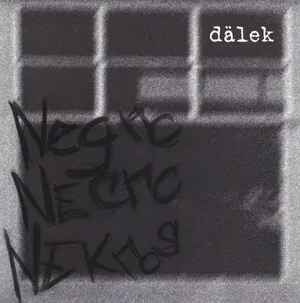
Negro Necro Nekros
Dälek
Industrial Hip Hop
2007
1
/5
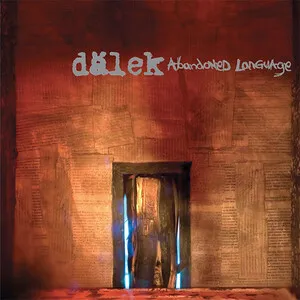
Abandoned Language
Dälek
Industrial Hip Hop
2005
1
/5
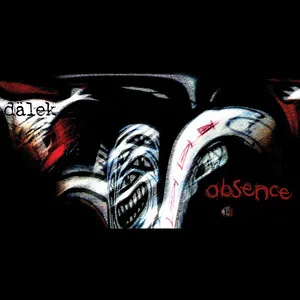
Absence
Dälek
Post-Industrial
2005
1
/5
Absence
Dälek
Industrial Hip Hop
Abstract Hip Hop
Industrial & Noise
2002
1
/5
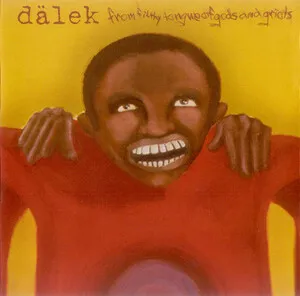
From Filthy Tongue of Gods and Griots
Dälek
Industrial Hip Hop
Post-Industrial
Industrial & Noise
Similar artists
3
/5
Death Grips
Industrial Hip Hop
Experimental Hip Hop
Experimental
1
/5
Techno Animal
Illbient
Experimental
Experimental Hip Hop
4
/5
JPEGMAFIA
Experimental Hip Hop
Industrial Hip Hop
Experimental
3
/5
billy woods
East Coast Hip Hop
Experimental Hip Hop
Abstract Hip Hop
3
/5
clipping.
Industrial Hip Hop
Experimental Hip Hop
Horrorcore
2
/5
Moor Mother
Experimental
Experimental Hip Hop
Chill Abstract Hip Hop
3
/5
Lil Ugly Mane
Experimental Hip Hop
Neo-Psychedelia
Southern Hip Hop
5
/5
Kanye West
Hip Hop
Pop Rap
Rap
2
/5
JOHNNASCUS
Industrial Hip Hop
Experimental Hip Hop
Hyperpop
3
/5
Ho99o9
Experimental Hip Hop
Horrorcore
Industrial
Download our mobile app
Get the Melodigging app and start digging for new genres on the go
Download on the App Store
Get it on Google Play
© 2026 Melodigging
Give feedback
Legal
Melodding was created as a tribute to
Every Noise at Once
, which inspired us to help curious minds keep digging into music's ever-evolving genres.