Genres
Artists
Albums
Make Music
Sign in
Sign in
Artists
Southern Americana
Artists
Southern Americana
Cory Branan
2014
·
1 album
Listen
2
/5
Genres
Southern Americana
Southern Americana is a regional strain of Americana rooted in the musical vernacular of the U.S. South. It blends songwriting-first aesthetics with the organic textures of country, folk, and blues, and the swagger of Southern rock. Typical recordings feature warm, lived‑in tones: Telecasters and acoustic guitars alongside pedal steel, Hammond organ, fiddle, mandolin, and harmony vocals. Lyrically it is grounded in place—small towns, highways, kudzu, pine line horizons—and in the South’s complicated histories of faith, work, love, and loss. The groove ranges from back‑porch shuffles and waltzes to swampy, slow‑burn rhythms, keeping the focus on stories and melody rather than studio gloss.
Discover
Listen
Americana
Americana is a contemporary umbrella term for U.S. roots music that blends folk, country, blues, bluegrass, gospel, and roots rock into a songwriter-centered, largely acoustic-leaning sound. Hallmarks include story-driven lyrics; warm, organic production; and traditional instrumentation such as acoustic guitar, mandolin, banjo, fiddle, harmonica, pedal steel, upright or electric bass, and restrained drums. Rhythms often draw on the train beat, shuffles, two-step, waltz time, and relaxed backbeats. Harmonically it favors diatonic progressions (I–IV–V, I–vi–IV–V), modal tinges (Mixolydian), and close vocal harmonies. Rather than a rigid style, Americana functions as a bridge among related roots traditions, emphasizing authenticity, regional imagery, and narrative songwriting over genre flashiness.
Discover
Listen
Alternative Country
Alternative country (often shortened to alt-country) is a roots-oriented offshoot of country that blends the storytelling, twang, and acoustic instrumentation of classic country with the attitude, DIY ethos, and sonic grit of indie rock and punk. It arose as a reaction to the glossy production and commercial polish of mainstream Nashville in the late 1980s and 1990s. Hallmarks include weathered vocals, prominent acoustic and electric guitars (often with pedal steel), unfussy rhythm sections, and lyrics that foreground realism, heartbreak, working-class lives, and wandering souls. Production tends to be raw and unvarnished, favoring live-in-the-room feel over studio sheen. The result is music that sits comfortably between country, folk, and rock while retaining the emotional directness of traditional country.
Discover
Listen
Anti-Folk
Anti-folk is a subversive, DIY-minded offshoot of folk that blends the confessional songwriting of the 1960s coffeehouse scene with the irreverence, speed, and attitude of punk. It favors raw, often lo-fi production, simple chord progressions, direct melodies, and sardonic, self-aware lyrics that skewer both mainstream pop and earnest folk orthodoxy. Performances typically feel intimate and unvarnished, privileging personality, humor, and immediacy over polish. The scene coalesced around New York City’s Lower East Side/East Village in the 1980s and 1990s, later inspiring companion scenes in the UK and Europe. Anti-folk’s tone ranges from playful and comedic to biting and political, but it consistently celebrates individuality, candor, and a hand-made aesthetic.
Discover
Listen
Rock
Rock is a broad family of popular music centered on amplified instruments, a strong backbeat, and song forms that foreground riffs, choruses, and anthemic hooks. Emerging from mid‑20th‑century American styles like rhythm & blues, country, and gospel-inflected rock and roll, rock quickly expanded in scope—absorbing folk, blues, and psychedelic ideas—while shaping global youth culture. Core sonic markers include electric guitar (often overdriven), electric bass, drum kit emphasizing beats 2 and 4, and emotive lead vocals. Rock songs commonly use verse–chorus structures, blues-derived harmony, and memorable melodic motifs, ranging from intimate ballads to high‑energy, stadium‑sized performances.
Discover
Listen
Folk
Folk is a song-centered acoustic tradition rooted in community storytelling, everyday life, and social history. It emphasizes clear melodies, simple harmonies, and lyrics that foreground narrative, protest, and personal testimony. As a modern recorded genre, folk coalesced in the early-to-mid 20th century in the United States out of older ballad, work song, and rural dance traditions. It typically features acoustic instruments (guitar, banjo, fiddle, mandolin, harmonica), strophic song forms, and participatory singing (choruses, call-and-response).
Discover
Listen
Albums
2014
1
/5
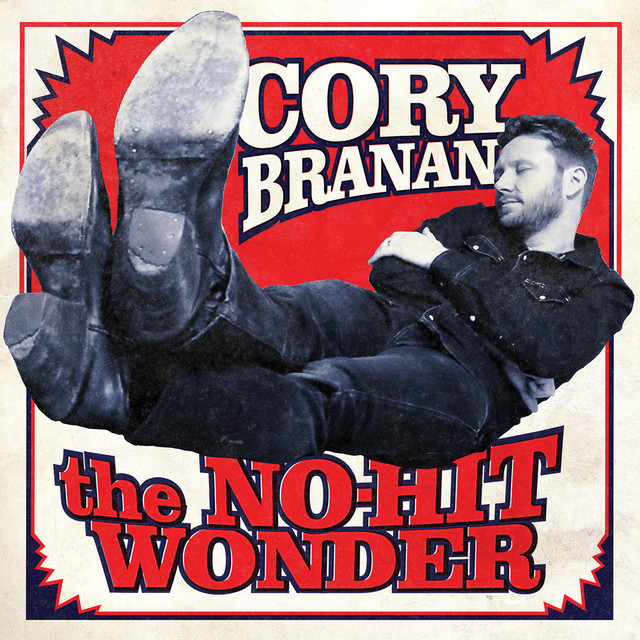
The No-Hit Wonder
Cory Branan
Southern Americana
Similar artists
1
/5
Various Artists
Afro-Funk
Alternative Rock
Ambient
5
/5
Lana Del Rey
Art Pop
Pop
Alternative Pop
3
/5
Vincent Neil Emerson
Southern Americana
Alternative Country
Americana
2
/5
Logan Ledger
Southern Americana
Alternative Country
Americana
3
/5
Jason Molina
Americana
Anti-Folk
Slowcore
2
/5
The Good Luck Thrift Store Outfit
Alternative Country
Americana
Anti-Folk
1
/5
Ben Weaver
Alternative Country
Americana
Anti-Folk
1
/5
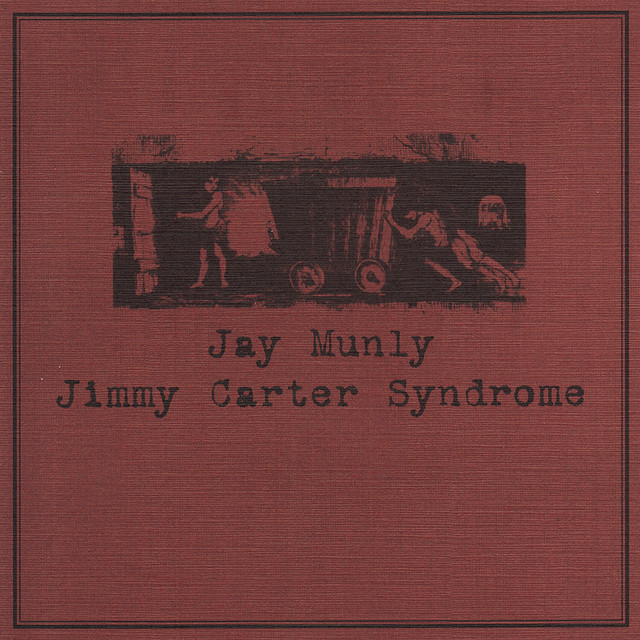
Munly J Munly
Alternative Country
Americana
Anti-Folk
5
/5
Zach Bryan
Country
Red Dirt
Singer-Songwriter
4
/5
Turnpike Troubadours
Red Dirt
Americana
Country
Download our mobile app
Get the Melodigging app and start digging for new genres on the go
Download on the App Store
Get it on Google Play
© 2026 Melodigging
Give feedback
Legal
Melodding was created as a tribute to
Every Noise at Once
, which inspired us to help curious minds keep digging into music's ever-evolving genres.