Genres
Artists
Albums
Make Music
Sign in
Sign in
Artists
Corridos Alternativos
Artists
Corridos Alternativos
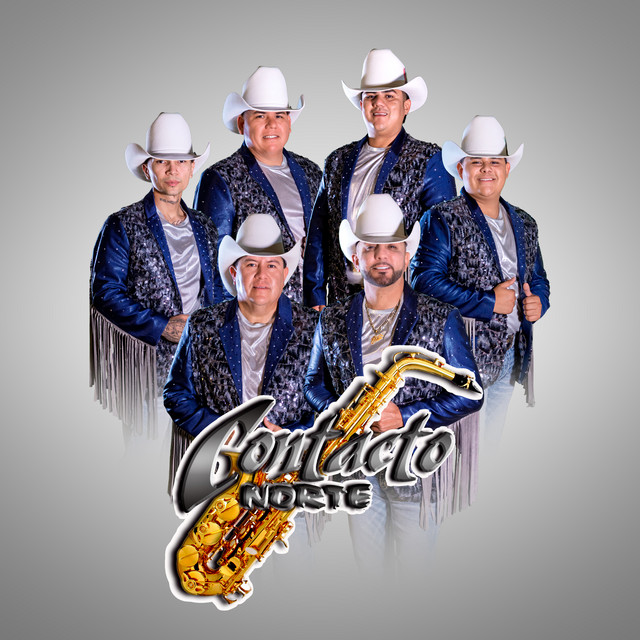
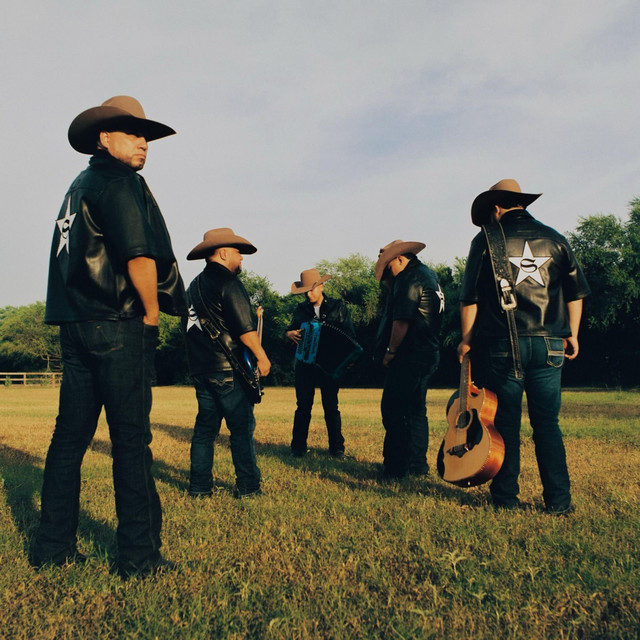
Contacto Norte
Listen
3
/5
Genres
Corridos Alternativos
Corridos alternativos is a contemporary wave of Mexican corridos that blends the narrative ballad tradition with Gen‑Z indie, pop, and hip‑hop sensibilities. Instead of the brisk polka/two‑step feel of classic corridos, it often slows the groove toward mid‑tempo, mixing sierreño trio guitars and tololoche/tuba with 808s, trap hi‑hats, light synth pads, and Auto‑Tune. Lyrically it keeps the corrido’s storytelling DNA, but shifts focus from outlaw exploits to intimate themes: heartbreak, friendships, coming‑of‑age, online life, and aspirational street style. The vocal delivery favors melodic hooks and confessional tone while preserving regional turns of phrase and corrido structures. The style is natively digital—born on YouTube, SoundCloud, and TikTok—where short, hook‑forward refrains and guitar motifs travel easily between Mexico and the Mexican‑American diaspora.
Discover
Listen
Cumbia Norteña Mexicana
Cumbia norteña mexicana is a northern Mexican take on cumbia that blends the Colombian-born rhythm with the instrumentation, feel, and dance culture of norteño and grupera. It is driven by accordion lead lines, bajo sexto rhythm guitar, electric bass, and drum kit, often complemented by güiro or cowbell, and sometimes saxophone or keyboards. The groove keeps cumbia’s characteristic off-beat syncopation while adopting a brisk, two-step-friendly pulse common in the Mexican north and along the Texas border. Songs typically use simple, catchy harmonies (I–IV–V with frequent dominant sevenths), memorable accordion hooks, and verse–chorus structures. Lyrics range from festive parties and dance-floor humor to everyday border life, love, and migration, delivered with call-outs and crowd-response energy tailored to bailes and rodeos.
Discover
Listen
Norteño-Sax
Norteño-sax (norteño con sax) is a regional Mexican style of norteño distinguished by the prominent use of the saxophone as a lead or co-lead voice alongside the accordion. The core ensemble typically includes saxophone, accordion, bajo sexto, electric bass, and a drum kit, with the sax handling melodies, countermelodies, and bright, brassy hooks. Rhythmically it draws on the same dance meters as classic norteño—polkas in 2/4, waltzes (vals) in 3/4, and redovas/schottisches—delivered with a driving backbeat suited for social dancing. Lyrically it spans love songs and heartbreak ballads to corridos about work, migration, and border life, often delivered in a romantic, polished style that made the subgenre a favorite on both sides of the U.S.–Mexico border.
Discover
Listen
Norteño
Norteño (música norteña) is a Mexican regional style built around the bright timbre of the diatonic button accordion and the driving strum of the bajo sexto. Rooted in borderland dance music, it blends Central European polka, waltz, and schottische rhythms with Mexican corrido storytelling and ranchera songcraft. Characterized by brisk 2/4 polkas and lilting 3/4 waltzes, norteño songs range from narrative corridos about migration and everyday struggles to romantic ballads and party tunes. Traditional ensembles used tololoche (upright bass) and snare, while modern groups often add electric bass, full drum kits, and occasionally tenor sax (in the norteño-sax substyle) or tuba (in norteño-banda). The result is a dance-forward, story-rich music that bridges rural and urban audiences on both sides of the U.S.–Mexico border.
Discover
Listen
Cumbia
Cumbia is a syncretic dance-music tradition from Colombia’s Caribbean coast that blends African rhythmic heritage, Indigenous (especially gaita flute) melodic practice, and Spanish colonial instrumentation and forms. Traditionally performed in a moderate 2/4 (often felt in 4/4 today), it features interlocking hand-drum parts (tambora, alegre, llamador), guacharaca or maracas for steady texture, and long cane flutes (gaita hembra and gaita macho) carrying call-and-response melodies. As it spread in the 20th century, orchestras and dance bands added accordion, horns, piano, bass, and later electric guitar and synthesizers, creating urban and pan–Latin American variants. Harmonically simple and rhythm-forward, cumbia places groove, ostinati, and vocal refrains at the center, making it both ceremonial in origin and enduringly popular on social dance floors across the Americas.
Discover
Listen
Similar artists
4
/5
Los Rieleros Del Norte
Banda
Corrido
Corridos Alternativos
4
/5
De Parranda
Norteño-Sax
Tejano
Cumbia
4
/5
Conjunto Rienda Real
Norteño-Sax
Corridos Alternativos
Cumbia Norteña Mexicana
3
/5
Secretto
Tex-Mex
Tejano
Cumbia
3
/5
Los Morales
Cumbia
Cumbia Norteña Mexicana
Norteño
3
/5
Milla 22
Tex-Mex
Tejano
Cumbia
3
/5
Impostores De Nuevo Leon
Cumbia
Cumbia Norteña Mexicana
Grupera
3
/5
Los Igualados
Cumbia
Cumbia Norteña Mexicana
Grupera
3
/5
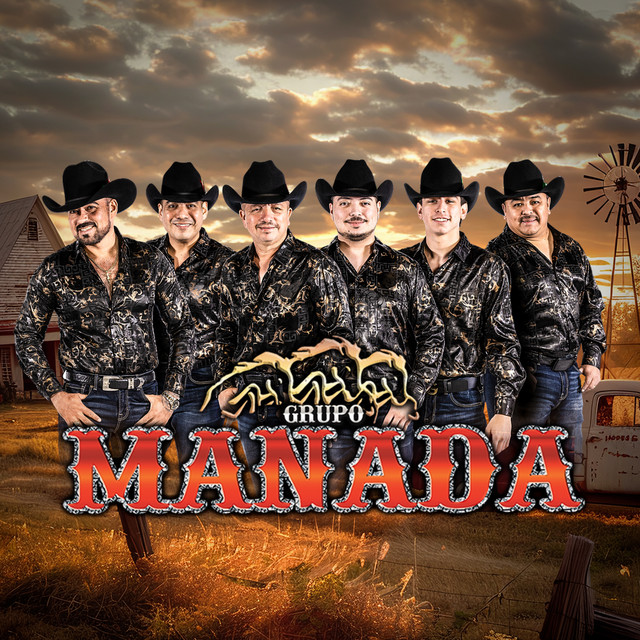
Grupo Manada
Cumbia
Cumbia Norteña Mexicana
Norteño
3
/5
Grupo Zenzio
Cumbia
Cumbia Norteña Mexicana
Norteño
Download our mobile app
Get the Melodigging app and start digging for new genres on the go
Download on the App Store
Get it on Google Play
© 2026 Melodigging
Give feedback
Legal
Melodding was created as a tribute to
Every Noise at Once
, which inspired us to help curious minds keep digging into music's ever-evolving genres.