Genres
Artists
Albums
Make Music
Sign in
Sign in
Artists
Aussie Pub Rock
Artists
Aussie Pub Rock
Cold Chisel
1978–1982
·
4 albums
Listen
3
/5
Genres
Bossbeat
Bossbeat is an internet‑born, high‑octane branch of EDM tailored to evoke the intensity of a video‑game “boss fight.” Producers fuse modern dubstep and trap sound design with melodic, leitmotif‑driven writing borrowed from video game music and film scoring, aiming for cinematic build‑ups and explosive, riff‑like drops. Characteristic features include minor‑key motifs, fast and syncopated percussion, halftime switch‑ups, aggressive bass design (growls, reeses, metallic FM), and hybrid orchestral layers (brass stabs, choirs, epic drums). The result is music that feels both dance‑floor ready and narratively dramatic—perfect for action montages, game content, and creator culture.
Discover
Listen
The Wave
The Wave is a loosely defined cluster of American post-hardcore/emo bands that surged in the early 2010s as emo-pop’s mainstream moment faded. The name was a tongue‑in‑cheek scene tag that stuck in press coverage, but it points to a real overlap in sound, ethos, and touring networks. Musically, The Wave fuses the urgency of 1990s post‑hardcore and screamo with confessional, literate lyric writing associated with emo. Expect shouted or half‑sung/half‑spoken vocals, dynamic quiet‑loud builds, intricate but driving drums, and guitar textures that shift between glassy clean arpeggios and overdriven, emotive climaxes. The songs often emphasize catharsis, narrative detail, and community-minded DIY presentation.
Discover
Listen
Aussie Pub Rock
Aussie pub rock is a loud, guitar-driven strain of rock that grew out of Australia’s hotel and pub circuit in the mid-1970s and exploded nationally through the 1980s. It emphasizes powerful riffs, a tight 4/4 backbeat, and big, shout-along choruses designed to cut through the noise of packed, often rowdy rooms. Rooted in blues rock and hard rock, the style champions a bar-band ethos: raw, energetic performances; minimal studio gloss; and songs that connect quickly with working-class audiences. Lyrically it ranges from everyday Australian life and mateship to trenchant social and political commentary. Its sound and performance culture helped define a distinctly Australian rock identity and produced enduring stadium-sized anthems.
Discover
Listen
Pub Rock
Pub rock is a back-to-basics British rock movement that took shape in small bars and clubs, emphasizing tight live playing, unfussy songwriting, and a no-frills image. It rejected the theatrical excesses of glam and the complexity of progressive rock in favor of short, punchy songs rooted in 1950s/60s rhythm & blues, rock and roll, country rock, and rockabilly. Built around the UK pub circuit, bands played at close quarters to the audience, with modest sound systems and minimal stage production. The result was a raw, energetic, and highly danceable sound—often driven by 12‑bar blues structures, shuffles, boogie grooves, and jangly or crunchy guitars—that celebrated the immediacy of live performance and set the stage for UK punk and new wave.
Discover
Listen
New Wave
New wave is a broad, pop-oriented umbrella for styles that emerged in the mid-to-late 1970s as a sleeker, more melodic outgrowth of punk culture. Initially, the term varied by region: in the United States it was first used by critics and labels (famously Sire Records’ “Don’t Call It Punk” campaign in 1977) to rebrand punk-associated artists with more radio-friendly aesthetics; in the United Kingdom it encompassed a wider constellation of fresh, stylish post-punk-era sounds. Over time, “new wave” became a catch‑all for hooky guitar pop, synth-driven songs, danceable rhythms, and modernist production sensibilities. Sonically, it blends tight, upbeat rhythms (often disco- and reggae-informed), clean chorus/flanger guitars, prominent synthesizers, and concise, hook-led songwriting. Its visual identity—sharp suits, futurist imagery, and fashion-forward presentation—was integral, aligning with the rise of music television and emphasizing art-school wit, irony, and modern urban themes.
Discover
Listen
Hard Rock
Hard rock is a loud, riff-driven style of rock music built around heavily amplified electric guitars, a powerful rhythm section, and assertive vocals. Songs typically center on memorable, blues-based guitar riffs, strong backbeats, and energetic, often shouted or belted choruses. The genre emphasizes power, groove, and visceral impact over intricate harmony or extended improvisation. Distortion, power chords, pentatonic melodies, and call‑and‑response between vocals and guitar are core traits, while lyrical themes often explore rebellion, lust, swagger, escape, and cathartic release.
Discover
Listen
Pop Rock
Pop rock blends the hook-focused immediacy of pop with the instrumentation and drive of rock. It prioritizes catchy melodies, concise song structures, and polished production while retaining guitars, bass, and drums as core elements. Typical pop rock tracks use verse–pre-chorus–chorus forms, strong vocal harmonies, and memorable riffs. The sound ranges from jangly and bright to mildly overdriven and arena-ready, aiming for radio-friendly appeal without abandoning rock’s rhythmic punch.
Discover
Listen
Rock
Rock is a broad family of popular music centered on amplified instruments, a strong backbeat, and song forms that foreground riffs, choruses, and anthemic hooks. Emerging from mid‑20th‑century American styles like rhythm & blues, country, and gospel-inflected rock and roll, rock quickly expanded in scope—absorbing folk, blues, and psychedelic ideas—while shaping global youth culture. Core sonic markers include electric guitar (often overdriven), electric bass, drum kit emphasizing beats 2 and 4, and emotive lead vocals. Rock songs commonly use verse–chorus structures, blues-derived harmony, and memorable melodic motifs, ranging from intimate ballads to high‑energy, stadium‑sized performances.
Discover
Listen
Rock And Roll
Rock and roll is a high-energy, dance-oriented popular music style that emerged in the United States in the early-to-mid 1950s. It fuses the 12‑bar blues and boogie‑woogie with the backbeat and instrumentation of rhythm & blues, the twang and storytelling of country, and the fervor of gospel. Its hallmark sound centers on a strong backbeat (accented on beats 2 and 4), driving rhythm sections, electric guitar riffs, prominent piano or saxophone leads, and catchy, chorus-forward songwriting. Typical harmonies revolve around I–IV–V progressions, often in 12-bar form, with swung or shuffle feels and punchy turnarounds. Culturally, rock and roll catalyzed a youth movement linked to dancing, teen identity, and social change. It bridged racial audiences by popularizing Black American musical traditions for mainstream listeners, and it laid the foundation for subsequent rock styles and much of modern pop.
Discover
Listen
Show all 9 genres
Albums
1982
3
/5
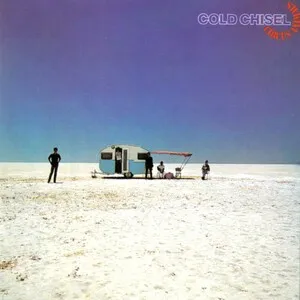
Circus Animals
Cold Chisel
Aussie Pub Rock
Pub Rock
1980
4
/5
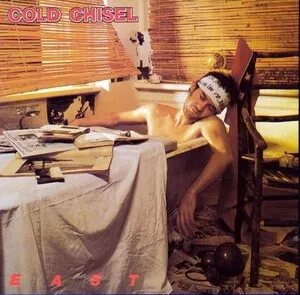
East
Cold Chisel
Aussie Pub Rock
Pub Rock
1979
3
/5
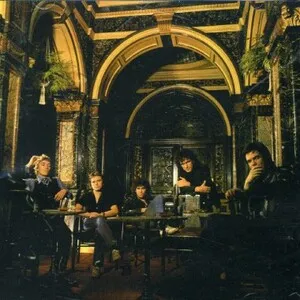
Breakfast at Sweethearts
Cold Chisel
Aussie Pub Rock
Hard Rock
New Wave
1978
4
/5
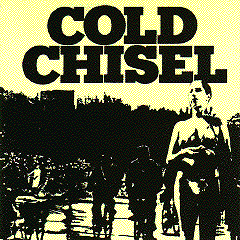
Cold Chisel
Cold Chisel
Aussie Pub Rock
Similar artists
1
/5
Various Artists
Afro-Funk
Alternative Rock
Ambient
5
/5
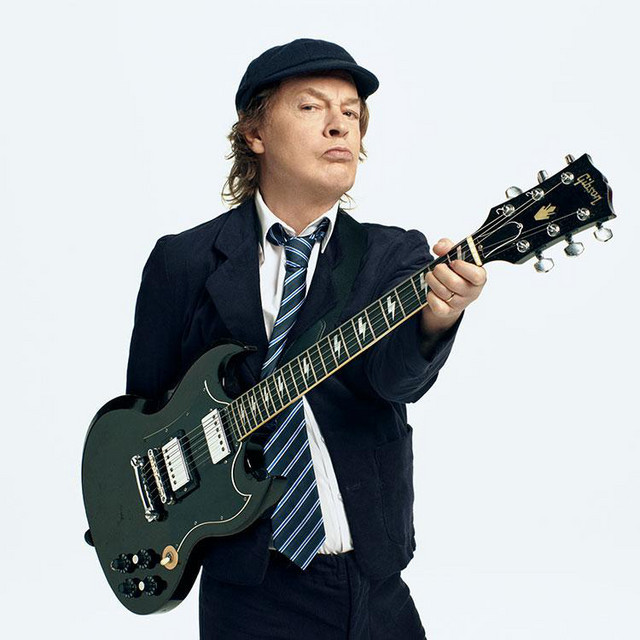
AC/DC
Hard Rock
Rock
Blues Rock
3
/5
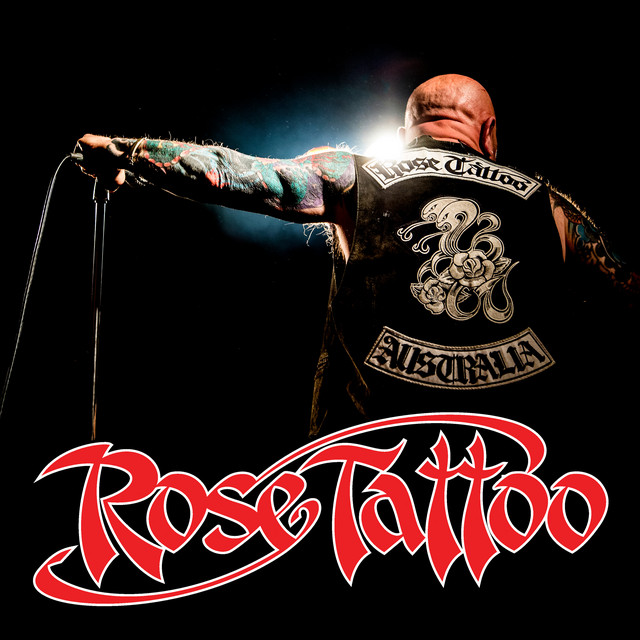
Rose Tattoo
Hard Rock
Aussie Pub Rock
Classic Rock
4
/5
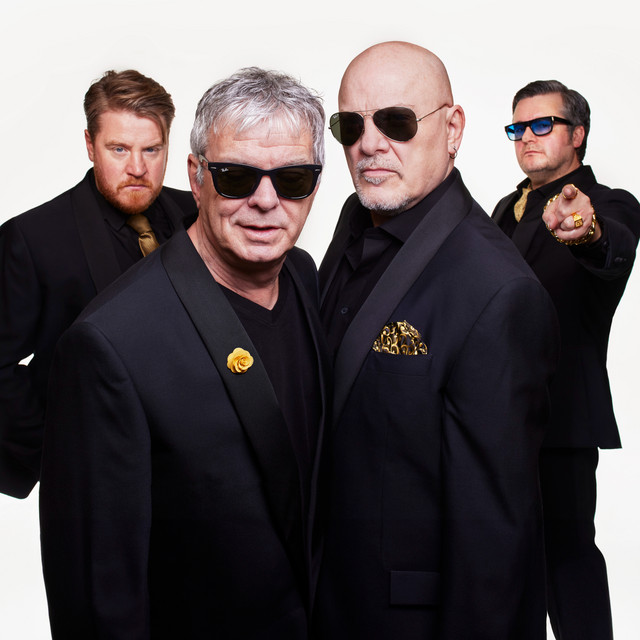
The Stranglers
Pub Rock
New Wave
Proto-Punk
3
/5
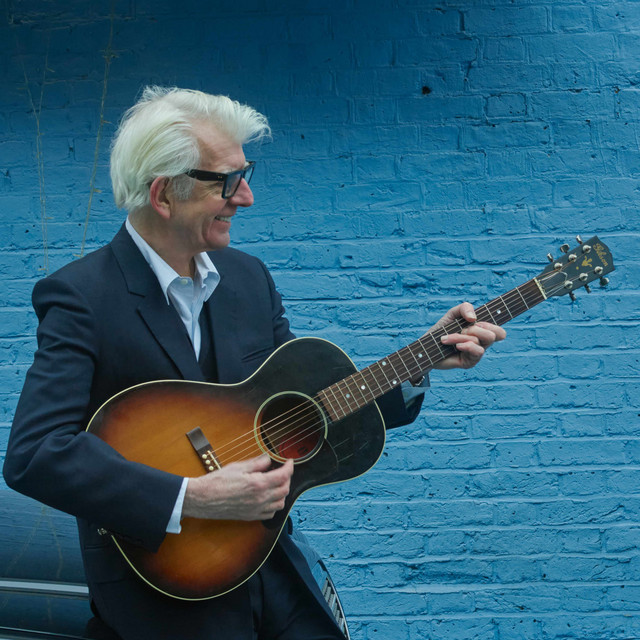
Nick Lowe
Pub Rock
Rock
Power Pop
3
/5
Ian Dury
Pub Rock
Chill Pop
New Wave
2
/5
The Jim Carroll Band
Pub Rock
Cbgb Scene
Glam Punk
2
/5
Radio Birdman
Garage Rock
Punk
Aussie Pub Rock
Angels, The
Aussie Pub Rock
Hard Rock
Rock
5
/5
David Bowie
Art Rock
Rock
Glam Rock
Download our mobile app
Get the Melodigging app and start digging for new genres on the go
Download on the App Store
Get it on Google Play
© 2026 Melodigging
Give feedback
Legal
Melodding was created as a tribute to
Every Noise at Once
, which inspired us to help curious minds keep digging into music's ever-evolving genres.